
Sign up here to subscribe to the Grower2grower Ezine. Every two weeks you will receive new articles, specific to the protected cropping industry, informing you of industry news and events straight to your inbox.
1
Feb 2022
Feb 2022
Banana Production and Rotation in Greenhouses

Banana Production and Rotation in Greenhouses
Containers along with smaller allocated areas may make it easier to transplant into the production area to speed up production and utilise space.
Once the mother plant has completed the fruiting process, and you remove the finger of bananas, the mother plant will not reproduce. It is time to replace it. Many traditional outdoor or soil growers may leave a pup next to the mother plant to take over once the mother plant has finished its life cycle. The issue I see leaving a pup next to the mother plant is that the extra energy the pup may consume from the mother plant.
The entire process of growing bananas may take up to two years or more before you see a harvest. From what I understand the trigger point for the plant to flower/fruit when between 26-32 leaves have been produced. It would be great to understand exactly what the trigger is and why this only happens after such a long period. The more the heat input obviously the faster the plant will grow but it still seems to only flower after all of these leaves have been produced.
It does appear there are hybrid banana plants so you should be able to source seed and grow from seeds. However, the easiest way is to use the pups as they are a clone of the mother plant. This way you know exactly what you are getting.
Growing in containers:
From the photo below – sourced from my LinkedIn page, you will notice the pots with younger pups/plants at various stages growing in the gaps of the mother plants which are in large individual containers. To me this is the ideal way to grow, essentially reducing a huge amount of down time between production and using the space you have available to grow the next crop As soon as the ‘adult plants’ have fruited simply remove immediately to allow light and space for the next generation of plants. This will of course take planning to try and get the crop cycles to match up as close as possible. Alternatively, you could have a smaller nursery where you keep the younger plants at a much higher density that is more cost effective to heat which would speed up the life cycle.

If there is the possibility to grow bananas in greenhouse conditions in NZ, then every bit of space needs to produce as much as possible. This may give some ideas of how to achieve this. I look forward to your comments.
 My pups have grown very quickly and in the next week I will be harvesting the pups (6 in this pot) and transplanting into their own individual pots to be overwintered in my nursery.
 I planted these out in my garden in spring as very small plants. I planted them close the native bush behind to protect them from the frosts when winter arrives later this year. Last year we had seven heavy frosts in a row which almost wiped out my outdoor crop. (That’s why they really need to be grown in a warmer climate and protected within a greenhouse)
Article written and compiled by Stefan Vogrincic
All Article’s checked and edited by Marie Vogrincic
I appreciate your comments. Please feel free to comment on the grower2grower Facebook page:
https://www.facebook.com/StefanGrower2grower/
CLASSIFIED













Photo
Gallery


Subscribe to our E-Zine
More
From This Category
May 19, 2026
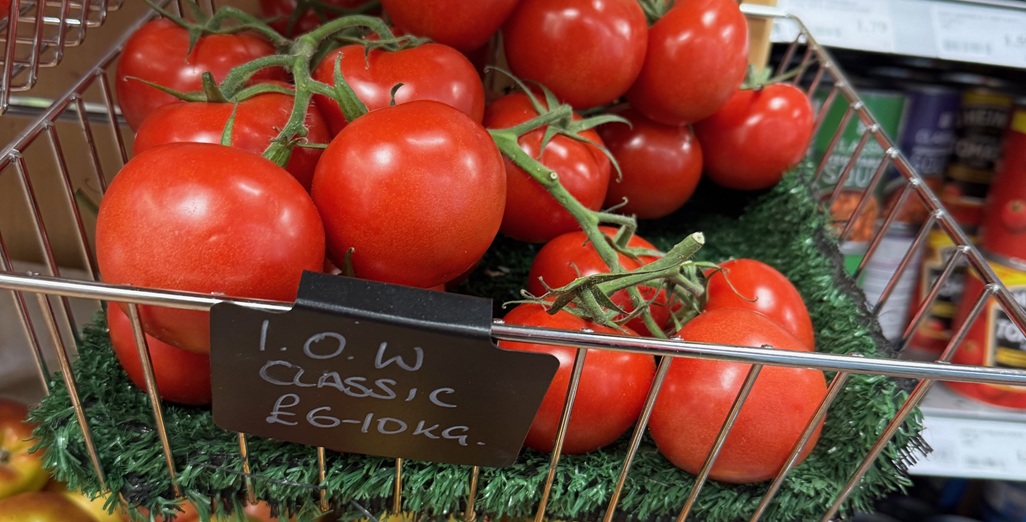
Food Costs in England – “Cheap as Chips in the Supermarket, Astronomical Eating Out”
Yesterday (18 May) I returned from more than three weeks in UK. As usual, my first port of call when arriving in England was the supermarket — and particularly the vegetable section, much to the annoyance of my wife. Before long I was snapping photos of my favourite greenhouse vegetables.
May 19, 2026
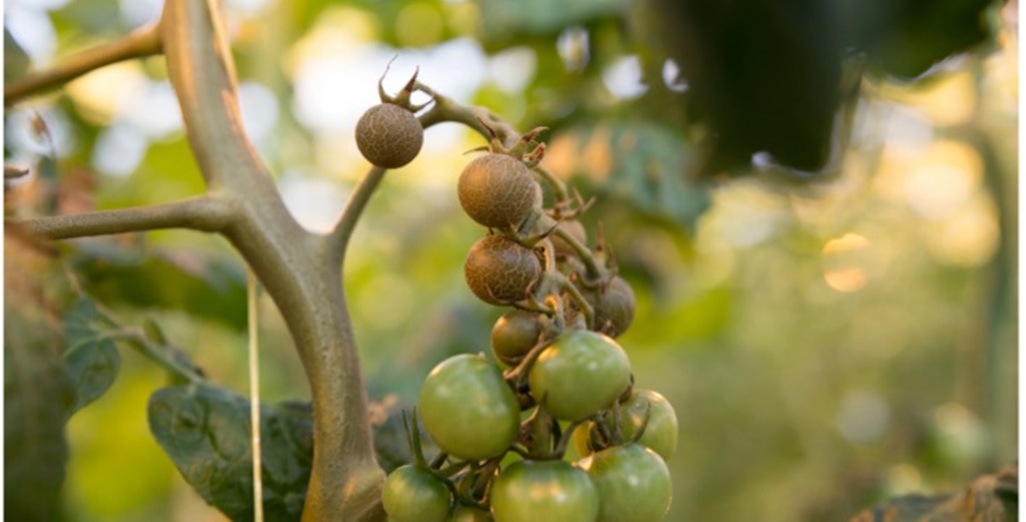
New technote for Tomato russet mite
New guidance on the use of chemical miticides for Tomato russet mite control provides growers with a broader range of management options.
May 5, 2026
Increasing cash: why extra height makes the difference for return and future
Raising a greenhouse is not a stopgap measure, but rather a strategic choice:

May 5, 2026
Horticentre Charitable Trust Continues Partnership with Grower2Grower for 2026
“Shared knowledge builds stronger growers and a stronger industry.”
April 20, 2026
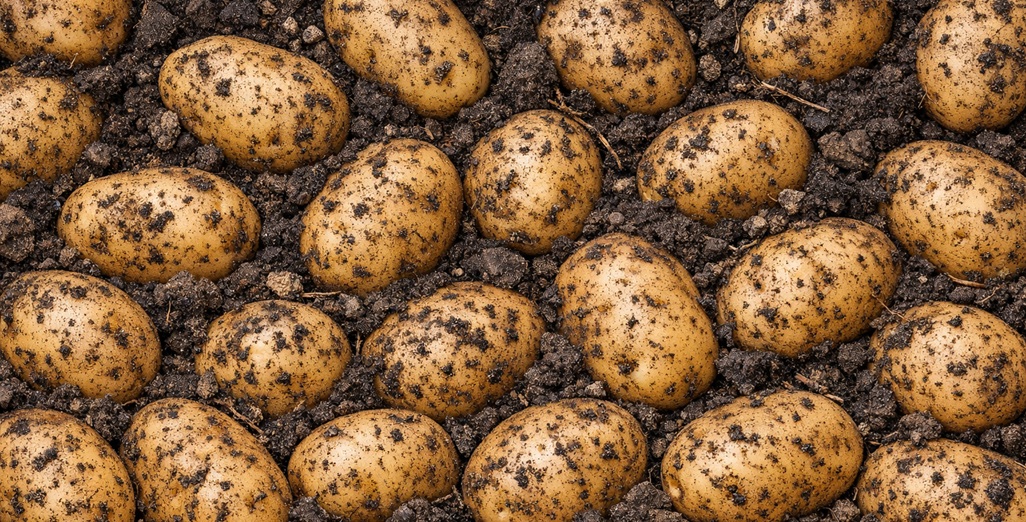
The Environmental Protection Authority (EPA) has approved a new fungicide seed treatment to control disease on potatoes.
The New Zealand potato industry is valued at approximately $1 billion annually, according to Potatoes New Zealand.
April 20, 2026
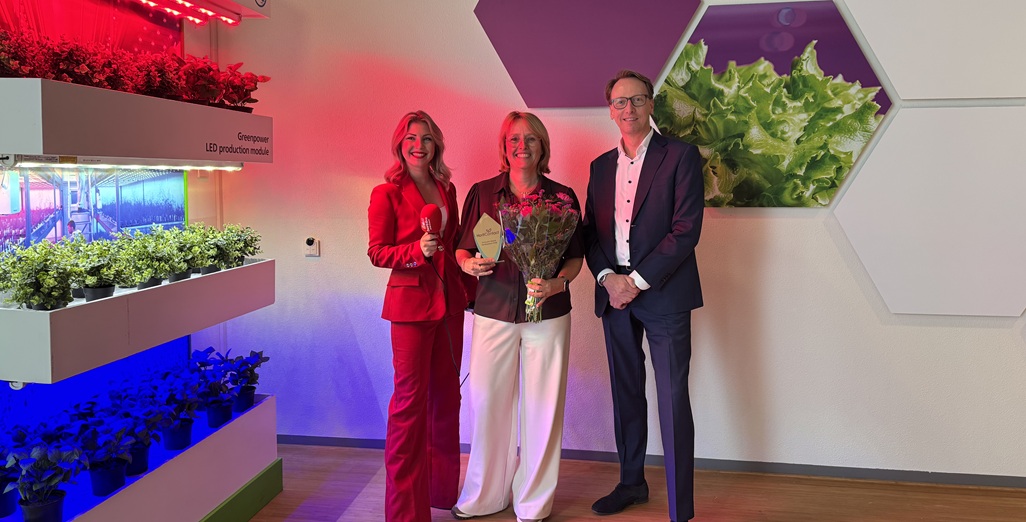
Signify wins HortiContact Innovation Award for Philips intelligent horticulture lighting solutions
“We are incredibly proud of this recognition”
CLASSIFIED