

Sign up here to subscribe to the Grower2grower Ezine. Every two weeks you will receive new articles, specific to the protected cropping industry, informing you of industry news and events straight to your inbox.
28
Feb 2023
Feb 2023
Managing your emission units in the NZ Emissions Trading Register

What do you do with your allocation of emmission units
This article explains the Emissions Trading Scheme, emissions units and the New Zealand Emissions Trading Register (the Register). It also covers what you can do with your allocation of emissions units, and tips for managing your account in the Register.
The Environmental Protection Authority (EPA) has put together guidance to help you with the industrial allocation process. The three-part series explains industrial allocations and how to set up an account in the Register (December 2022 edition, page xx) and provides a guide to the application process (February 2023 edition, page xx). This is the final article in the series.
Part 3 explains the Emissions Trading Scheme, how to transfer units in the Register, and tips for managing your account.
The Emissions Trading Scheme
The Emissions Trading Scheme (ETS) is a market-based approach for reducing greenhouse gas emissions. The ETS puts a price on emissions, by charging certain sectors of the economy for the greenhouse gases they emit. Participants in the ETS that sequester (store) carbon earn units from the Government that they can sell on the market.
The Government also provides an allocation of emission units for activities that are emission-intensive and trade-exposed. It recognises that ETS costs might affect the international competitiveness of some businesses, like growers of fresh tomatoes, cucumbers, capsicums and cut roses.
Emissions units
Emission units, sometimes called ‘carbon credits’ or ‘units’, are traded between participants in the ETS. An emission unit can either represent one metric tonne of carbon dioxide, or the equivalent of any other greenhouse gas.
Emission units are created by the New Zealand Government and allocated to organisations and individuals participating in the ETS. These are called New Zealand Units, or NZUs.
New Zealand Emissions Trading Register
If you want to hold and trade emission units, you’ll need to have an account in the Register. This is managed by the EPA.
The Register acts like a bank, but it holds emission units instead of money. The Register is where you can store units and transfer them to other holding accounts when trading.
Just like online banking, you can check your balance of units at any time. You can also see your transactions of units from one account to another, like a bank statement.
You’ve applied for your units – now what?
Once you’ve applied for an allocation of units, you’ll be notified by the EPA when they’re in your account in the Register.
What you do with them is up to you. Units have a market value; you can transfer them in the Register to someone who needs units to meet their surrender obligations, or there are traders and intermediaries who can trade units on your behalf.
It’s important to note that the Register does not currently record information about the price or financial value of emission unit trades; the EPA is unable to transfer units on your behalf; and the Register doesn’t provide a way to exchange cash for units traded.
The EPA has created a series of guides and videos to help you manage your account. You can find these on their website: www.epa.govt.nz/register-guidance
Five tips for managing your Register account
Tip 1: Just like online banking, keep your password secure and make sure your contact details are up to date.
Tip 2: It’s recommended you have at least two people on your account who are authorised to operate your account, including preparing transactions. This ensures that there is a backup in the case of unexpected absences, and that you are aware of reminders or information related to your account. You can also set up preparer and approver roles as part of a two-step approval process to provide additional security around transactions.
Tip 3: You’re legally required to keep good records. This includes the information used to prepare your application, documents about the crops you produce, sales and inventory records.
Tip 4: If you stop producing your crops and have received a provisional allocation of units, contact the EPA within 20 working days via 0800 254 628 or info@epa.govt.nz. Make sure you complete a closing allocation application in the Register and repay any units owing to the EPA. Both steps must be done within 20 working days.
Tip 5: For the latest news and information about the ETS and the Register, subscribe to the EPA’s regular ETS Update newsletter via their website.
If you’re unsure of what do to, please talk to the EPA. Call 0800 254 628 or visit www.epa.govt.nz/register-guidance
I appreciate your comments. Please feel free to comment on the grower2grower Facebook page or email: stefan@grower2grower.co.nz
https://www.facebook.com/StefanGrower2grower/
CLASSIFIED
















Photo
Gallery















Subscribe to our E-Zine
More
From This Category
April 20, 2026
Autumn Challenges: Managing Humidity, Energy Constraints and Crop Balance
A Perfect Storm for Crop Performance
April 7, 2026
Energy Resilience for Greenhouse Horticulture: Electricity at the Core (not just for greenhouse horticulture but NZ Inc?)
Real opportunity for long-term resilience lies in electricity and bioenergy for growers

April 7, 2026
Geothermal Strategy released MBIE
From the Ground Up: A strategy to unlock New Zealand's geothermal potential - March 2026
March 23, 2026
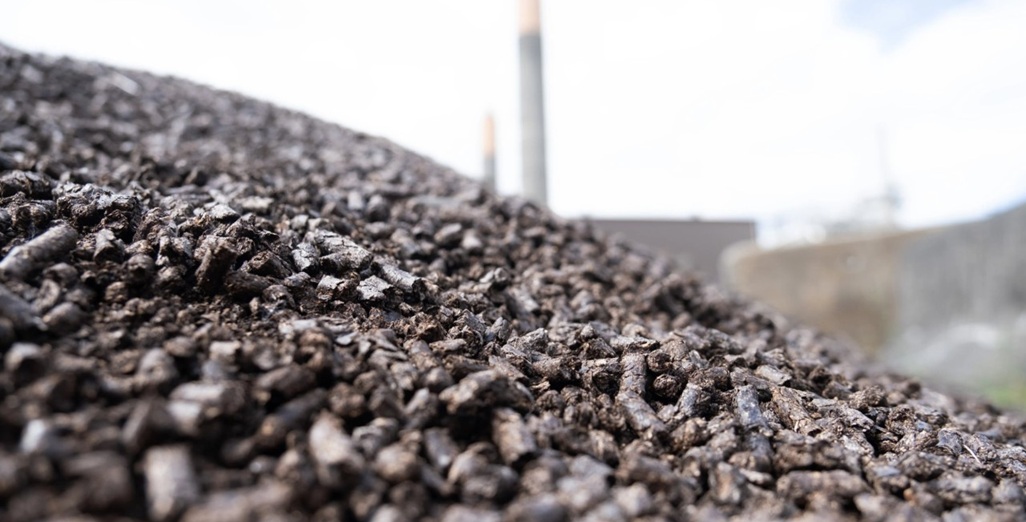
The Carbon Difference Between LNG and Bioenergy: Does it Matter
As domestic gas supply declines and dry-year risks persist, New Zealand faces an important energy question. The challenge is not simply finding a replacement fuel, it is choosing an approach that supports long-term energy security while also reducing our carbon exposure.

March 10, 2026
Energy saving through screens
A combination of screen use, screen quality, greenhouse climate requirements, and greenhouse equipment.
March 10, 2026
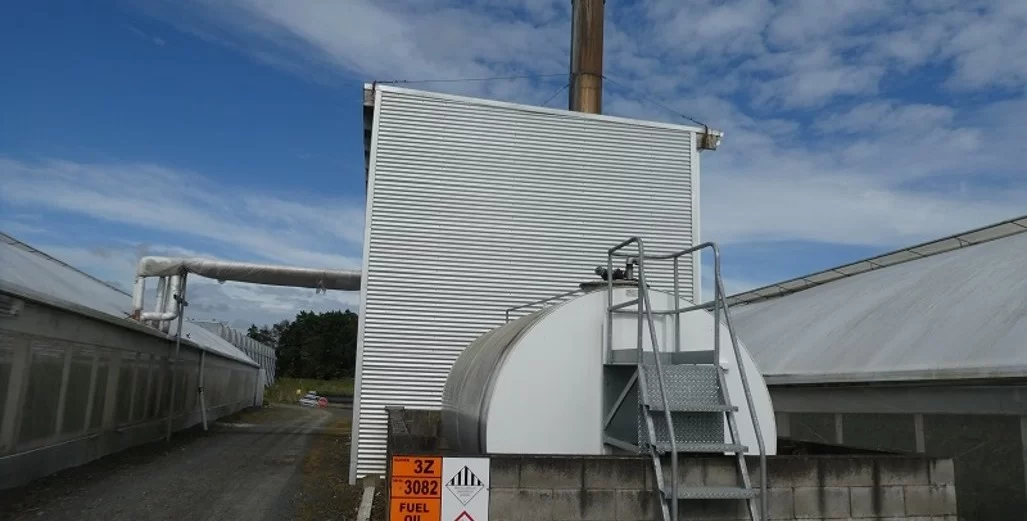
Heating Uncertainty Leaves Greenhouse Growers Searching for Answers
Waste oil supply changes force growers to reconsider long-term heating options ahead of winter. Two weeks ago I was alerted that one of the major recycled waste oil suppliers, based in the Auckland region, will soon stop supplying greenhouse growers. For one of my customers this came as a significant shock, particularly given that notice was given that deliveries will cease in the coming months –
CLASSIFIED