
Sign up here to subscribe to the Grower2grower Ezine. Every two weeks you will receive new articles, specific to the protected cropping industry, informing you of industry news and events straight to your inbox.
24
Apr 2023
Apr 2023
Glass that combines an AR coating with a low-e coating can save about 22% additional energy

The anti-reflection coating increases light transmission, while the low-emission coating reduces heat loss from the greenhouse
Glass that combines an AR coating with a low-e coating can save about 22% additional energy, research by Wageningen UR Greenhouse Horticulture has shown. The anti-reflection coating increases light transmission, while the low-emission coating reduces heat loss from the greenhouse. This is a new type of glass from AGCulture, with which Svensson has started a strategic cooperation. Climate Consultant Hugo Plaisier sees added value in the combination of high-quality climate screens and this specialized glass. “What matters is that we can collectively come up with even better solutions to the greenhouse climate and energy issue.”
Common low-e coatings reduce the light transmittance of glass and need a protective atmosphere to prevent degradation, which is why until now it could only be used on the inside of double-glazing. Thanks to innovation, anti-reflection and low-e properties have been combined in one coating, yielding clear energy savings, according to a study at Wageningen UR (WUR) Greenhouse Horticulture.
Excellent combinations
AGCulture is a Japanese glass producer with various branches in Europe. In one of these branches, in Magdeburg, Germany, special horticultural glass has been developed and produced for several years. One of these high-tech glasses combines anti-reflection and low-e properties in a durable coating. Plaisier: “This is a unique type of glass, which we can offer to customers who are building new facilities. Special glass and climate screens complement each other perfectly. We provide insight into this relationship so that we can recommend the best combinations of glass and screens. For example, when advising screens, we take into account the diffusivity (Hortiscatter) of the glass: the higher this is, the lower the screening percentage of the screen needs to be, resulting in a net light gain for the crop. Ultimately, it’s about the best combination of cultivation, greenhouse cover, greenhouse technology and location. We have a lot of knowledge about this in-house.”
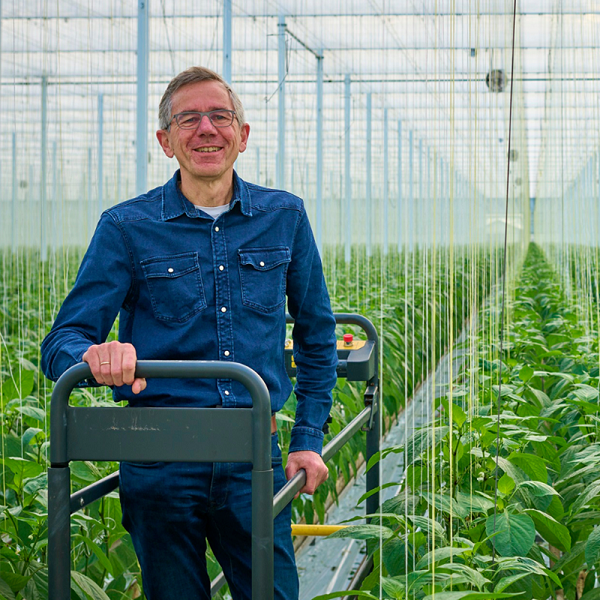
Hugo Plaisier, Climate Consultant at Svensson
Energy savings of up to 22%
According to AGCulture, the new innovative AR / low-e glass, named Geysir, is the first energy-saving single-pane glass with high light transmission. The durable low-e coating is applied to the outside of the glass, along with an AR coating on the inside and outside of the glass to increase PAR and hemispheric light transmission to levels comparable to current greenhouse glass types. The low-e coating ensures that far-infrared heat is reflected back into the greenhouse, yielding energy savings. Calculations by WUR have revealed that energy consumption in a tomato crop can be reduced by about 22% (also in combination with other energy conservation measures, such as one or two energy screens). Due to the insulating effect of the glass, a greenhouse with Geysir heats up slightly faster, which in tomato results in half a bunch of blooms. Thanks to the low-emission coating, less condensation also occurs, allowing light to enter unobstructed. This led to slightly higher production in the 2022 season than in the standard greenhouse, although the difference was small.
Durable against wear and tear
Together with the energy screens in place, a lot of energy can be saved on an annual basis, without sacrificing yield. On the contrary: by screening correctly, in conjunction with this low-e glass, the greenhouse climate is actually optimized and growth is promoted. In addition to this special Geysir glass, AGCulture has also developed a diffused glass, called Fountain. The etched side of this glass is protected by a durable and also hydrophilic AR coating. Advantage of both special glass types is the durability against abrasion, both for the AR / low-e coatings and for the diffused etching. The glass can be washed by the usual agents, although it is suggested that growers do not use fluorine, which even with one-time use completely removes the coating. Use of agents containing fluorine is therefore discouraged in all cases.
Added value
According to Plaisier, there is a market for “glass with added value”. Furthermore, he sees opportunities in the cooperation to match glass and climate screens even better in practice, resulting in even more energy savings while maintaining quality and yield. “We see the potential for this product for Dutch growers, very much so. It is quality glass with added value. We can demonstrate with ROI calculations that it is worth the extra investment. And for Geysir glass, many regions throughout Europe, the United States, and Canada offer incentives or rebates for installing energy-efficient glass. With this collaboration we can strengthen each other, both in terms of knowledge and products, resulting in the optimal greenhouse climate for the grower.”
Article featured in the April 2023 Issue of KAS Magazine.
or click on the link below
I appreciate your comments. Please feel free to comment on the grower2grower Facebook page or email: stefan@grower2grower.co.nz
https://www.facebook.com/StefanGrower2grower/
For all media releases please send to marie@grower2grower.co.nz or upload directly: https://www.grower2grower.co.nz/article-form/
CLASSIFIED










Photo
Gallery






Subscribe to our E-Zine
More
From This Category
April 20, 2026
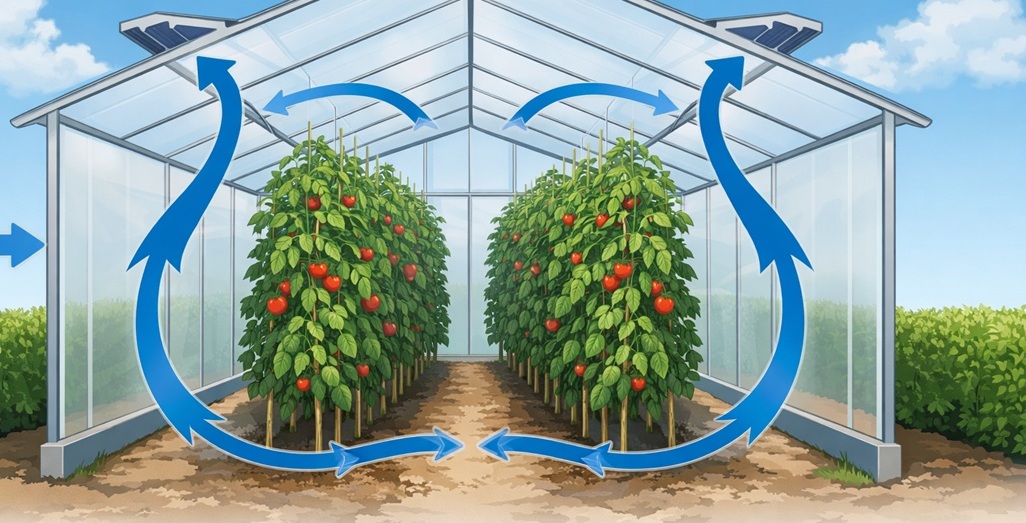
Autumn Challenges: Managing Humidity, Energy Constraints and Crop Balance
A Perfect Storm for Crop Performance
April 7, 2026
Energy Resilience for Greenhouse Horticulture: Electricity at the Core (not just for greenhouse horticulture but NZ Inc?)
Real opportunity for long-term resilience lies in electricity and bioenergy for growers
April 7, 2026
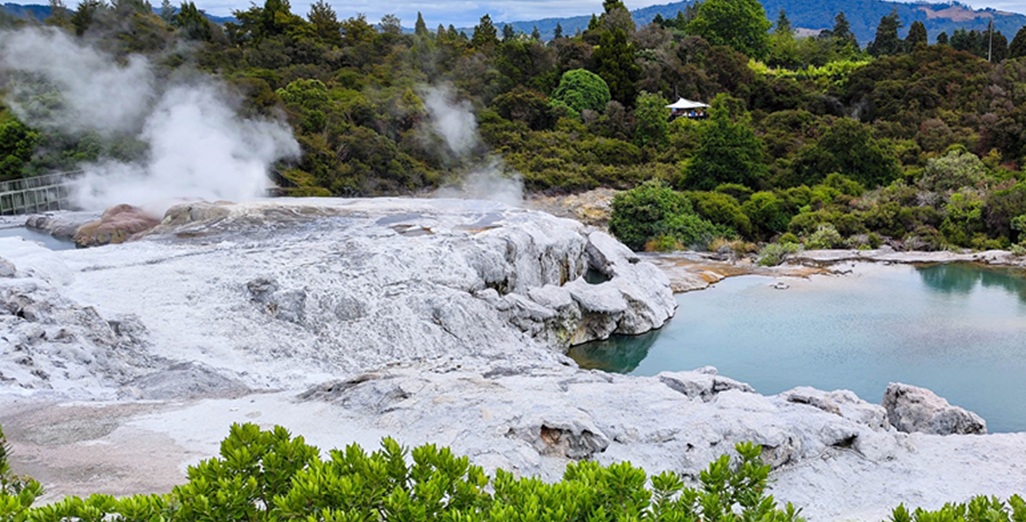
Geothermal Strategy released MBIE
From the Ground Up: A strategy to unlock New Zealand's geothermal potential - March 2026
March 23, 2026
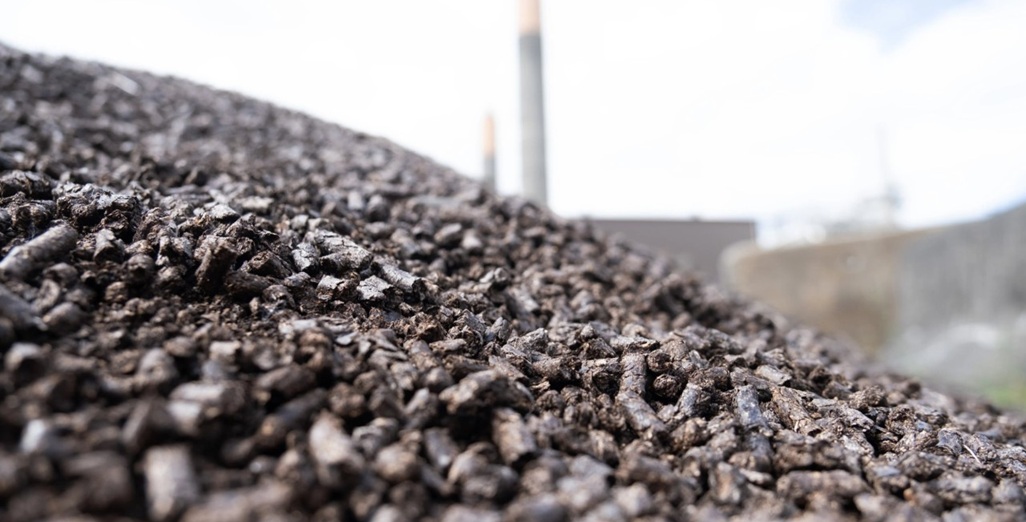
The Carbon Difference Between LNG and Bioenergy: Does it Matter
As domestic gas supply declines and dry-year risks persist, New Zealand faces an important energy question. The challenge is not simply finding a replacement fuel, it is choosing an approach that supports long-term energy security while also reducing our carbon exposure.
March 10, 2026
Energy saving through screens
A combination of screen use, screen quality, greenhouse climate requirements, and greenhouse equipment.
March 10, 2026
Heating Uncertainty Leaves Greenhouse Growers Searching for Answers
Waste oil supply changes force growers to reconsider long-term heating options ahead of winter. Two weeks ago I was alerted that one of the major recycled waste oil suppliers, based in the Auckland region, will soon stop supplying greenhouse growers. For one of my customers this came as a significant shock, particularly given that notice was given that deliveries will cease in the coming months –
CLASSIFIED