

Sign up here to subscribe to the Grower2grower Ezine. Every two weeks you will receive new articles, specific to the protected cropping industry, informing you of industry news and events straight to your inbox.
8
Dec 2023
Dec 2023
“If you don’t have a strategy, you don’t have a good crop”
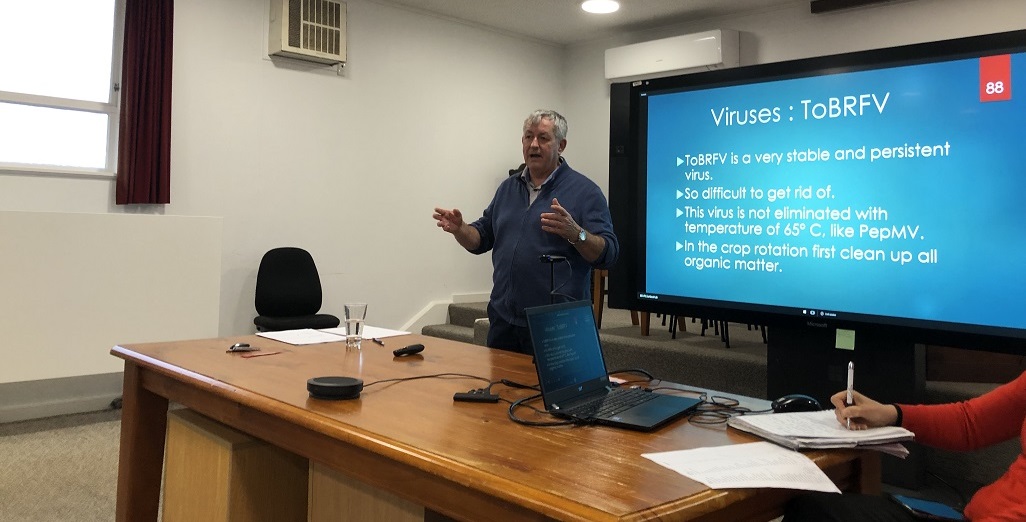
Frank Florus Greenhouse Consultant delivers a superb technical presentation.
Last week Frank Florus, Greenhouse consultant gave a presentation in Pukekohe to growers and suppliers. It was a fascinating presentation that was technical with practical solutions.
Main Topics covered:
- Energy/Humidity/Co2
- Summer Strategy including advice on limiting Blossom End Rot
- Virus and Hygiene
- White Fly
Of the main topics the energy crisis in Europe has had a large impact on production, it is relative to NZ because New Zealand growers face ever increasing energy costs. The critical point, “when trying to cut back on energy, make a cultivation plan before you plant”. Points below:
- If you want to save on energy, your focus in the crop should change from temperature to humidity.
- Less energy results in lower production and/or in lower revenue
- Make a good variety choice with a smart combination with the rootstock.
- Consider a wider plant spacing. Potentially increase plant density later towards spring / summer (week 40 to 46!).
- Reduce your maximum pipe (45° C instead of 55 or 60° C).
- (If you have one) Use the energy screen more and wiser.
- A pyrgeometer or radiation meter can be / is very useful.
- You can make more screening hours if you vent above the closed screen.
- Replace old screens in time
- Use fans under a closed screen.
- Avoid moisture deficiency under 1,8 during the night. (HD)
- Open screens gradually in the morning.
- Give less water with a higher EC value. Use ‘generative’ nutritional compositions (less NO3, more SO4 and Cl)
When growing with less energy you will ‘most likely’ have more moisture/humidity issues to combat. Frank encourages growers to use Absolute Humidity (AH) more than HD or RH when working with controlling humidity. Simply closing the vents more/longer and heating less may lead to other consequences including vegetative crops, smaller fruit and an increase in disease. Using the correct types of fans is critical for moving moisture away from the crop and out of the greenhouse. Irrigating enough and not too much is also very important for reducing humidity. If you heat less the plants transpire less therefore you need to irrigate less.
For greenhouses that do not have the sensors to measure AH, it is then being very careful not to be too ‘tight’ on your venting. Still heat your greenhouse in the morning with venting but accept a lower temperature if you are trying to conserve energy rather than chasing high temperature (that is keeping your vents shut longer) causing humidity to rise.
Due to reducing energy and using far less natural ga, many European growers reduced C02 inputs resulting up to a 20% reduction in production. Issues that arise are: quality of the truss was weaker, fruit set is poor and the fruits become thinner. Frank said the greatest influence on CO2 is in the Spring and Autumn. Franks message “Don’t underestimate the power of CO2”.
In the presentation Frank also advises on the strategy for growing during the summer, virus and hygiene control and our old foe Whitefly. In the new year I will cover of each of these topics. If you cannot wait until then contact Dinah Cohen business manager TomatoesNZ dinah.cohen@tomatoesnz.co.nz and ask if you are eligible to receive the recording of the workshop.
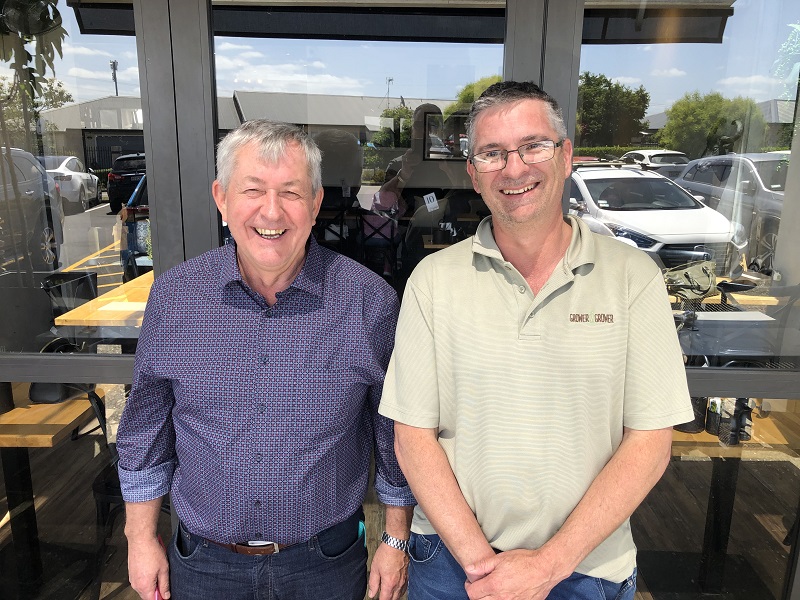
It was a pleasure to see Frank back in NZ after more than 10 years. Frank is a world leader in the field of Greenhouse Tomato growing and never fails to provide us with the information to help all of us grow better. He is welcome back any time. A special thanks to Dinah Cohen or organising the visit at short notice.
Article written and compiled by Stefan Vogrincic
All Article’s checked and edited by Marie Vogrincic
I appreciate your comments. Please feel free to comment on the grower2grower Facebook page:
https://www.facebook.com/StefanGrower2grower/
CLASSIFIED













Photo
Gallery




Subscribe to our E-Zine
More
From This Category
April 20, 2026
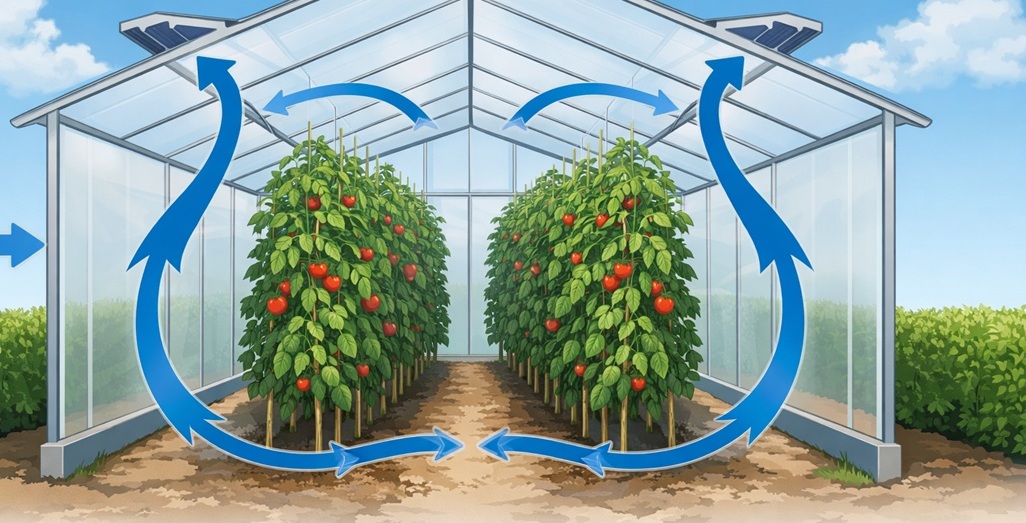
Autumn Challenges: Managing Humidity, Energy Constraints and Crop Balance
A Perfect Storm for Crop Performance
April 7, 2026
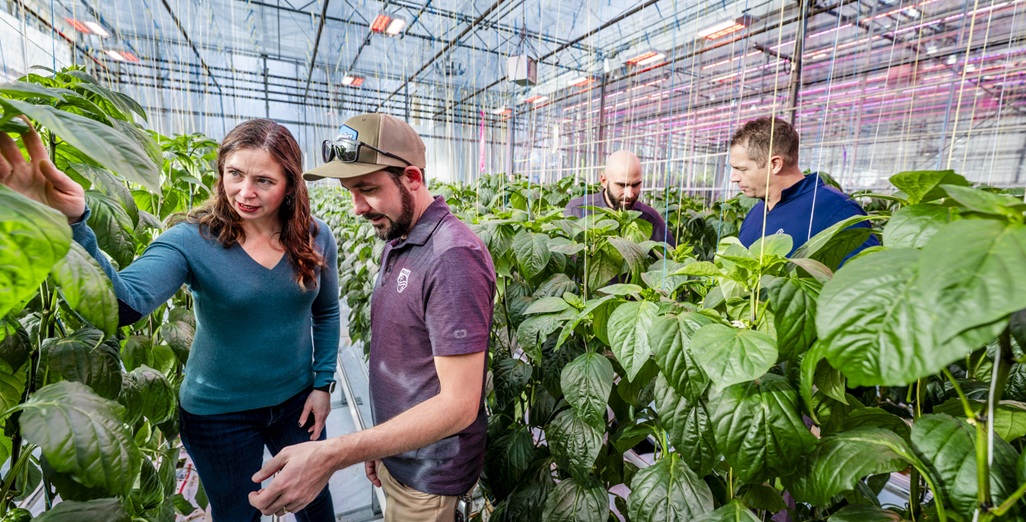
Signify and University of British Columbia collaborate to further explore feasibility of sustainable year-round greenhouse pepper production
Trial paves the way for growers to capitalize on the market opportunity to provide locally grown bell peppers during the winter months.
April 7, 2026
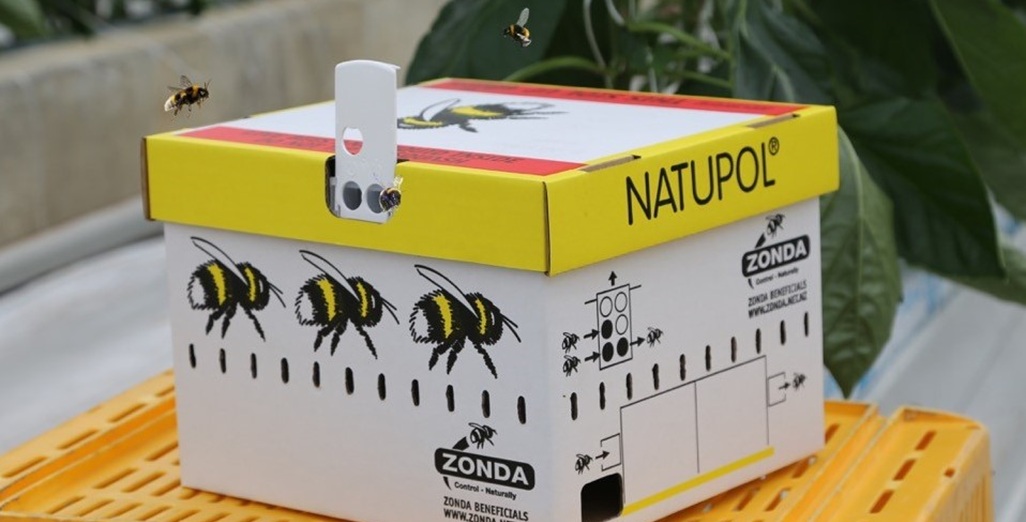
Think It’s the Bees? Think Again
Proven Hive Performance Suggests Auckland’s Climate and Crop Conditions Are the Key Limiters. Every year, Zonda receives calls from growers saying “the bees aren’t working” and requesting new hives. While hives are sometimes replaced, these cases consistently show that the bumblebees are performing as expected. The real challenge? Humidity, Auckland weather, and plant conditions.
March 23, 2026
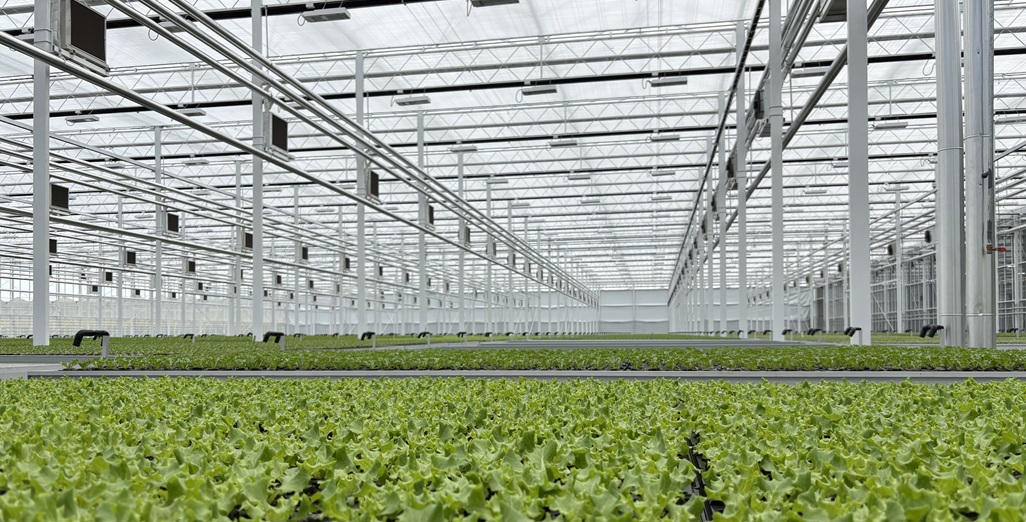
Plant-optimized spectrum to maximize photosynthetic efficiency and productivity:
27% higher yield and 40% energy savings in tomato greenhouse drive Woodeumgee Farm to repeat investment in Philips horticulture LED solution
March 10, 2026
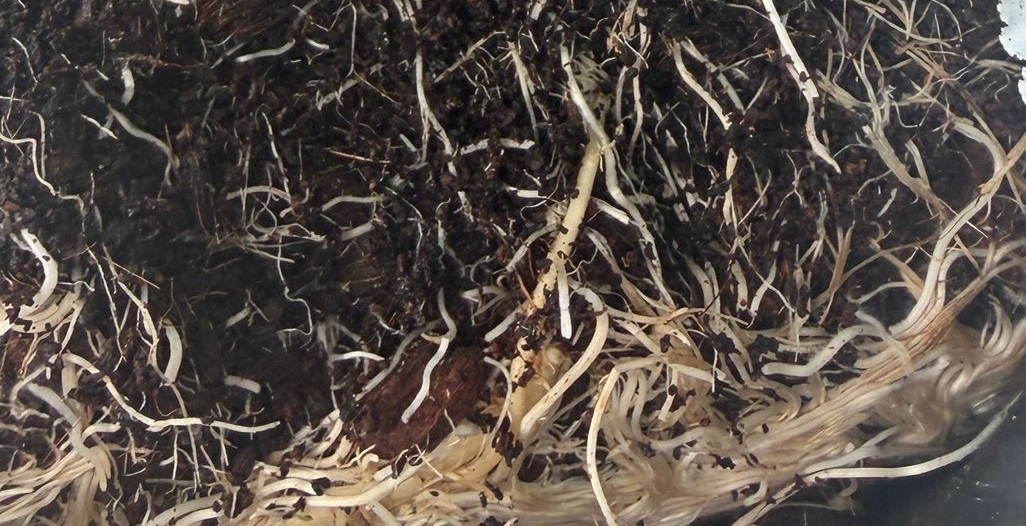
Where Does Fusarium Sit on Your Priority List?
When discussing crop health during technical strategy meetings, Fusarium often does not sit particularly high on the list of priorities.
February 23, 2026
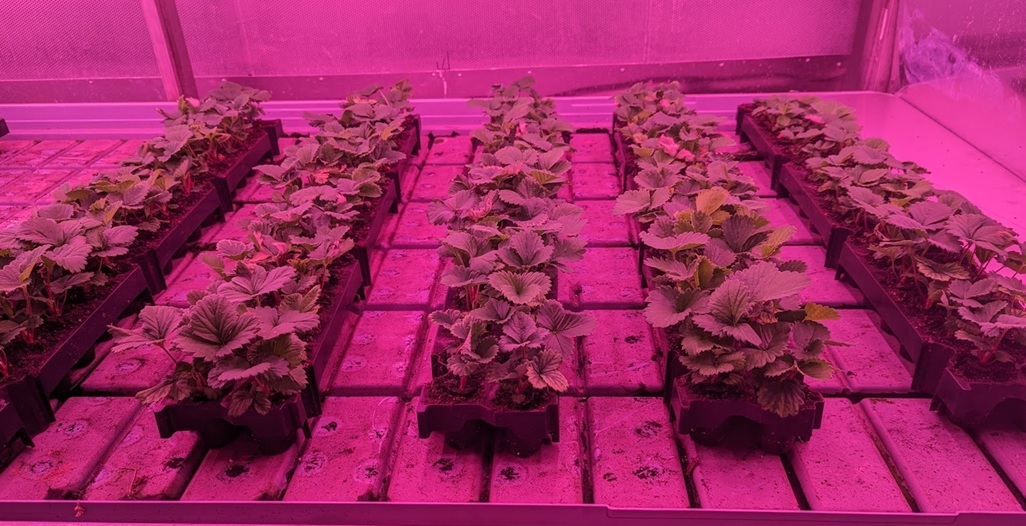
A proven opportunity in strawberry cultivation with indoor-grown generative young plants
Indoor strawberry young-plant production is moving from a promising concept to a proven opportunity. Recent trials with F1 hybrid varieties grown from seed in fully controlled facilities have shown faster development of young plants, a roughly 40% higher fruit yield in the greenhouse, harvesting two weeks earlier, and a clean, chemical-free starting point.
CLASSIFIED