
Sign up here to subscribe to the Grower2grower Ezine. Every two weeks you will receive new articles, specific to the protected cropping industry, informing you of industry news and events straight to your inbox.
23
Feb 2026
Feb 2026
Leaf Mould (Cladosporium) plant samples required
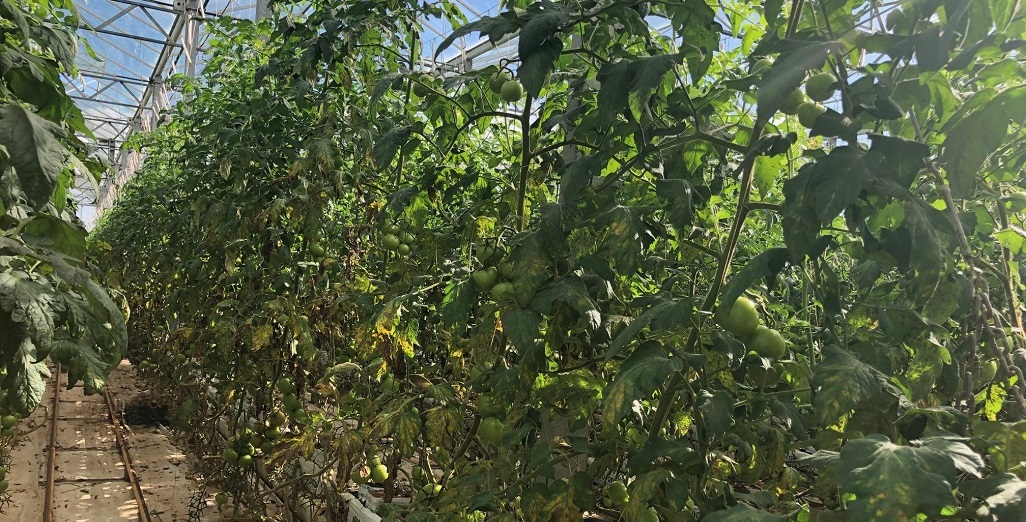
Leaf mould continues to be a significant issue for many growers across the country, particularly given the weather conditions we have experienced over the summer.
I have previously discussed how challenging leaf mould can be to control in articles such as this one. Meanwhile, Francis Ferrada, as part of his Master’s degree at Massey University, has been investigating the science behind the difficulties growers are facing.
Over the past 12 months, Francis has been analysing leaf mould samples collected from tomato plants. He is comparing the sequencing of current pathogen samples with earlier genome sequencing data to determine whether the disease has changed. This research will help the industry better understand whether existing leaf mould resistance in tomato varieties is breaking down, or whether the challenges growers are experiencing are due to other factors.
Francis is seeking additional plant samples to strengthen the validity of this trial. If you suspect leaf mould is present in your greenhouse, please contact him at:
francisco.ferradasotelo.1@uni.massey.ac.nz
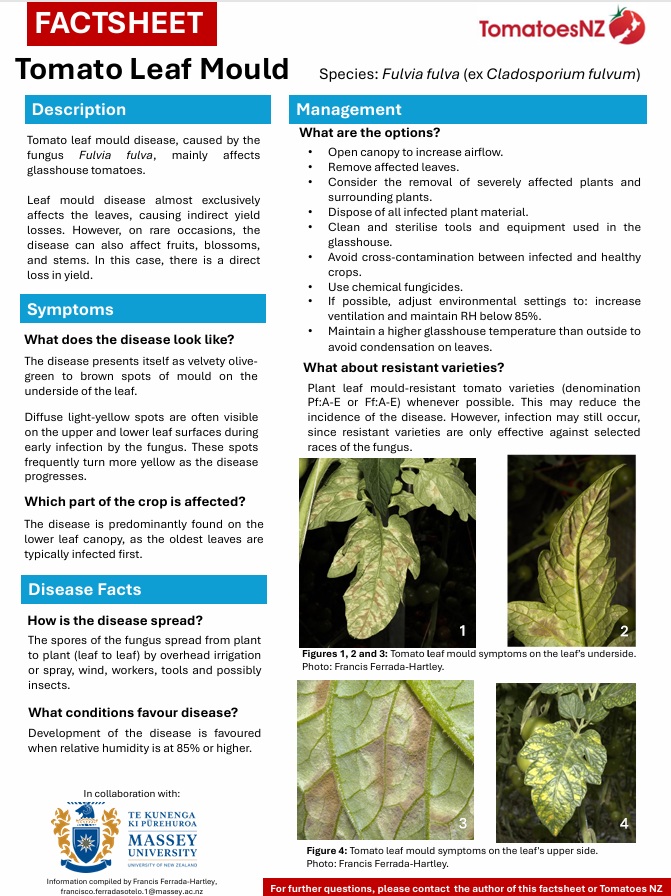
To help with identification, please refer to the leaf mould factsheet here:

CLASSIFIED















Photo
Gallery




Subscribe to our E-Zine
More
From This Category
May 19, 2026
Demystifying stone wool for strawberry cultivation
“Stone wool can make it easier for growers to face some of the current challenges”
May 5, 2026
Turn sunshine into synergy and unlock higher yields year-round
How LED intercanopy lighting complements high radiation and transforms greenhouse production

May 5, 2026
Innovation In Strawberry Production in New Zealand
Propagation in a controlled environment (plant factory) will eventually offer the potential to control plant development when planted out.
April 20, 2026
Autumn Challenges: Managing Humidity, Energy Constraints and Crop Balance
A Perfect Storm for Crop Performance
April 7, 2026
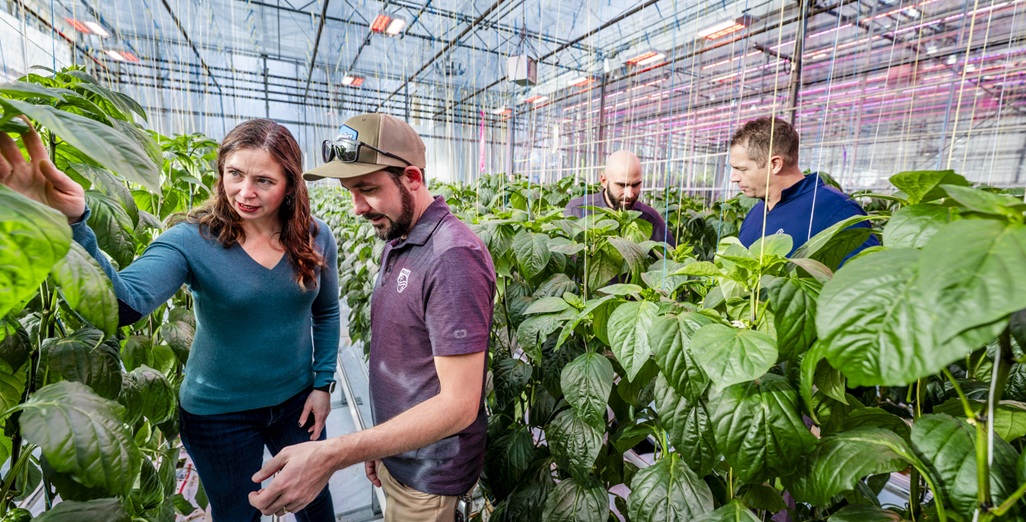
Signify and University of British Columbia collaborate to further explore feasibility of sustainable year-round greenhouse pepper production
Trial paves the way for growers to capitalize on the market opportunity to provide locally grown bell peppers during the winter months.
April 7, 2026
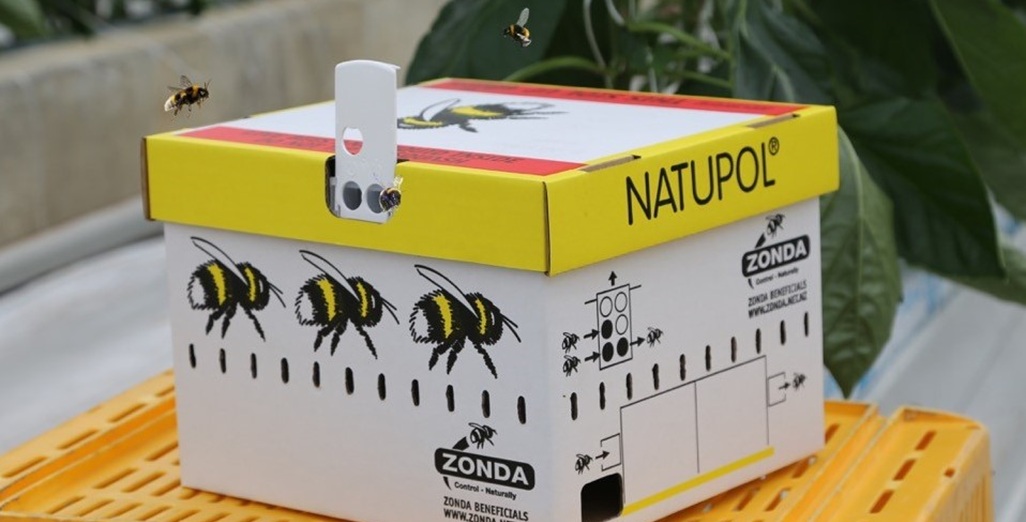
Think It’s the Bees? Think Again
Proven Hive Performance Suggests Auckland’s Climate and Crop Conditions Are the Key Limiters. Every year, Zonda receives calls from growers saying “the bees aren’t working” and requesting new hives. While hives are sometimes replaced, these cases consistently show that the bumblebees are performing as expected. The real challenge? Humidity, Auckland weather, and plant conditions.
CLASSIFIED