

Sign up here to subscribe to the Grower2grower Ezine. Every two weeks you will receive new articles, specific to the protected cropping industry, informing you of industry news and events straight to your inbox.
5
May 2026
May 2026
Innovation In Strawberry Production in New Zealand
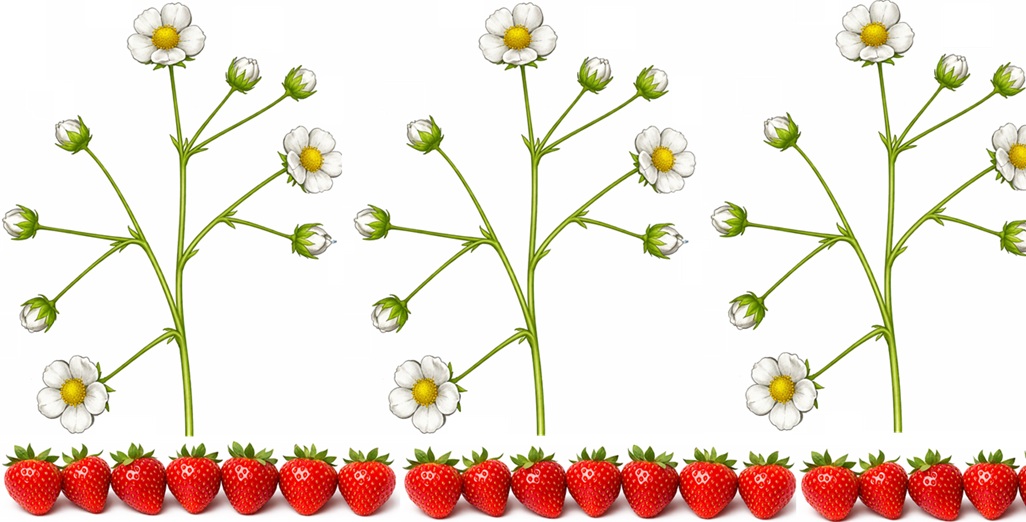
Propagation in a controlled environment (plant factory) will eventually offer the potential to control plant development when planted out.
By Dr Mike Nicholls
17th April 2026
The current strawberry (Fragaria × ananassa) dates from a chance cross in a botanical garden in France between two distinct Fragaria species (F. virginiana from North America and Fragaria chiloensis from South America) in the 18th century.
These strawberries initiate flowers in the short days of autumn, but in order to flower require a certain amount of chilling. In a temperate climate they flower in the spring and fruit in the early summer. These are called June bearers (summer in the northern hemisphere).
Some 60 years ago, plant breeders developed strawberries which did not require short days to initiate flowers or chilling to break dormancy. Called day-neutrals, they flower year-round except at high temperatures (over 29°C). Their major disadvantage, however, is that over time fruit size falls, and cropping is not as concentrated as June bearers.
In New Zealand, young strawberry plants (rooted runners) were planted in May/June, mainly because this is when planting material was available from field-grown runner beds. Runner production by mother plants occurs during long days (in summer) from high-health mother plants transplanted in the spring.
Until 2000, virtually all strawberries in New Zealand were grown in the field, planted in May/June and exposed to the weather, which in wet years resulted in significant fruit rots, mainly due to Botrytis.
OUT OF SEASON PRODUCTION
Out-of-season production of strawberries has always been a challenge. In the 19th century in the UK, gardeners of the rich and powerful could produce ripe strawberries in mid-winter in greenhouses by growing them in large pots following a critical chilling period outside during early winter.
The first greenhouse production of strawberries in New Zealand occurred in Marlborough by Hedgerow at the end of the 20th century.
Currently, about 50% of New Zealand’s strawberries are produced in unheated greenhouses—usually high plastic tunnels. Mostly they are grown hydroponically using coir in 1 m long plastic-wrapped modules as the medium. Historically, planting is normally undertaken in autumn when field-grown bare-rooted runners become available from the nursery.
PLANT PRODUCTION
Most strawberries in New Zealand are established from bare-root field-grown transplants, which become available in April/May. They are produced in nurseries (mainly at Katikati) from high-health mother plants planted in the spring.
Some 25 years ago, a system of growing plants from tip runners was developed, enabling plants to be produced at any time of the year and grown in a sterile medium in a small pot to produce a “plug” plant. Strawberries produce runners in long (summer) days, and this will occur when mother plants are grown in a warm greenhouse under supplementary lighting to provide long days.
The small runner plants can be removed and inserted into a rooting medium in a cell tray under mist propagation and will be well rooted in 7–10 days. Thus, day-neutral varieties can be produced at any time of the year for greenhouse planting.
June bearers have slightly different propagation requirements after rooting, as they require a period of short days (for floral initiation), followed by a period of low temperatures.
Propagation in a controlled environment (plant factory) will eventually offer the potential to control plant development when planted out.
In Europe, it is possible to grow strawberry plants from F1 hybrid seed, rather like growing cabbage or lettuce seedlings in a nursery. This is not currently possible in New Zealand due to quarantine regulations.
HYDROPONICS
Although greenhouse strawberries can be grown using NFT or aeroponics, most hydroponic strawberries are grown in a coir medium. A fully hydrated coir module is 1 m long, 4 cm high and 8 cm wide.
The reason for this is that the modules are based on the optimum dimensions for rockwool, due to its water-holding characteristics. For coir-grown strawberries, a narrower and deeper module (say 6 cm x 6 cm) could be of more value. This would provide a deeper root run and make it easier for fruit to hang down the sides of the modules—an important consideration for harvesting, particularly robotic harvesting.
CONTROL OF FRUIT SIZE
Fruit size is a huge factor in harvesting costs. The rule of thumb for harvesting berry fruit is that for every 1 g increase in weight per berry, you can harvest an additional 1 kg/hour. In addition, there are clear advantages in producing larger rather than smaller strawberries, as consumers prefer larger fruit.
The challenge is how best to produce high yields of large fruit. The problem lies in the flowering structure of the plant. With tomatoes, fruit size can be manipulated by deciding how many fruit to allow on a truss, by removing flowers from the end. However, in strawberries, the flowering structure is very different.
The flower stem of a strawberry is defined as a cyme, typically terminating in 1 primary flower, 2 secondary, 4 tertiary and 8 quaternary flowers (see Fig 1). Flower size (and therefore fruit size) decreases from primary to quaternary, making control of fruit size difficult. Essentially, fruit size declines with plant age and, of course, time of year. Older plants tend to produce more fruit, but the photosynthetic capacity declines relative to fruit load.
TIME OF PLANTING
Traditionally, strawberries in New Zealand are planted in autumn. About 10 years ago, a study at Massey University demonstrated that planting date could influence productivity, and more importantly, individual berry weight.
With a few exceptions in four day-neutral varieties (Albion, Aromas, Monterey and San Andreas), irrespective of planting date, mean berry weight was higher for the first two months of harvesting (Table 1).
Surprisingly, total yield declined with later plantings, even though crops were grown for a full 12 months after transplanting (Table 2). All plantings received the same nutrient solution, which was recirculated and replaced approximately monthly. This raises the question of whether root toxins or pathogens from earlier plantings affected later crops.
JUNE BEARERS
The larger fruit size and more concentrated cropping of June bearers raises the question of whether day-neutral varieties are the best long-term option.
With the development of plant factories and vertical farming, it is possible to produce June bearer plants that will fruit at any time of the year in a greenhouse. With further research, it may even be possible to control fruit number and size.
VERTICAL FARMING
The potential of vertical farming is huge, but for many crops the current reality is limited until energy costs decrease significantly. Sunlight remains the cheapest energy source. Fruiting crops such as strawberries are currently not well suited, although strawberry runner production may be a viable investment, particularly for June bearers.
AUTOMATION
It is difficult to predict where strawberry production will go in the future. Harvesting is one area where robotics will play a major role. While capital costs are high, robotic harvesters can operate 24/7 without breaks.
Many other growing operations remain difficult to automate, though drones and AI will increasingly play a role. Human input will still be required for control and management tasks.
Dyson Farming (UK) has developed a rotating strawberry growing system for greenhouses, increasing yields per hectare by 250% while making limited use of supplementary LED lighting—a significant gain in space efficiency.
PEST AND DISEASE CONTROL
Protected cropping reduces the risk of fruit rots from rain (such as Botrytis), but increases the risk of pests such as spider mites, aphids, and powdery mildew.
Chemical control is not ideal for frequently harvested crops. Biological control is now available for most pests. One difficult pest is cyclamen mite, but plant pasteurisation systems developed in the Netherlands for rooted plug plants prior to transplanting appear to offer a good solution.
THE FUTURE
In the short term, strawberry production is likely to move entirely under protected cultivation due to weather risks and reduced harvesting costs from tabletop systems (manual or robotic).
Planting material will increasingly be produced year-round in plant factories. Whether June bearers or day-neutral varieties dominate will depend on further research.
The adoption of plant factories for fruit production will depend heavily on achieving significantly lower energy costs.
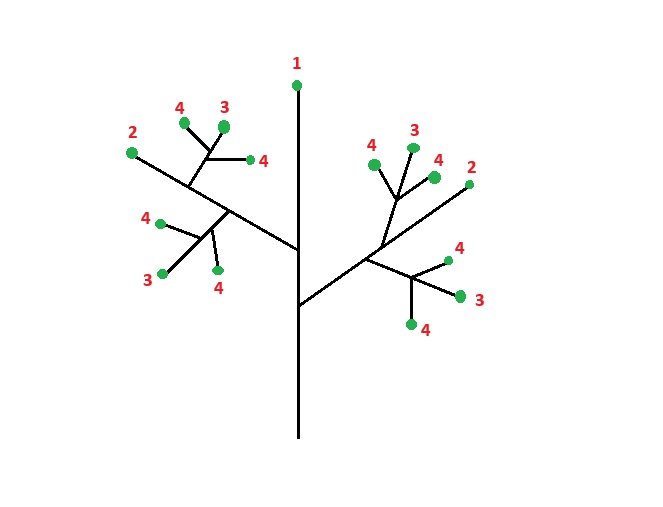
Above Fig 1

CLASSIFIED

















Photo
Gallery



Subscribe to our E-Zine
More
From This Category
June 15, 2026
Winter Bites
Low Light, High Disease Pressure and the Importance of Keeping Crops Generative. Winter is often the period that determines whether a crop finishes profitably or simply survives until spring. The next three months will test growers' ability to manage light, energy, disease pressure and plant balance more than any other time of the year. As light levels decline and cold, wet weather becomes more frequent, we begin to see the typical winter challenges emerge. Across a number of sites I have already noticed the first signs of Botrytis and blight appearing. Once conditions favour these diseases, they rarely move backwards without intervention.
June 15, 2026
Signify expands Philips GreenPower LED toplighting force portfolio with tailored solutions for today’s diverse grower strategies
New Performance and Elite versions empower growers to optimize either upfront investment or long-term operational efficiency—without compromising on Philips quality
June 1, 2026
Signify: Developing next-generation cultivation systems that shorten growing cycles while maintaining consistent crop quality
Signify boosts crop productivity and cost competitiveness at Yonam University smart farming hub with intelligent Philips LED lighting
June 1, 2026
Ground-Source Heating: Lessons from a Leading UK Greenhouse Operation
An in-depth look at the ground-source heat pump system heating Stewarts Garden Centre in England and the opportunities this technology may offer commercial greenhouse growers in New Zealand. "Energy costs in the UK are currently extremely high compared with New Zealand. During discussions on site, electricity pricing was described as sitting around 22 pence per kWh, which converts to approximately NZ$0.50 per kWh. Considering those energy prices, the efficiency of the heating system was particularly impressive".
May 19, 2026
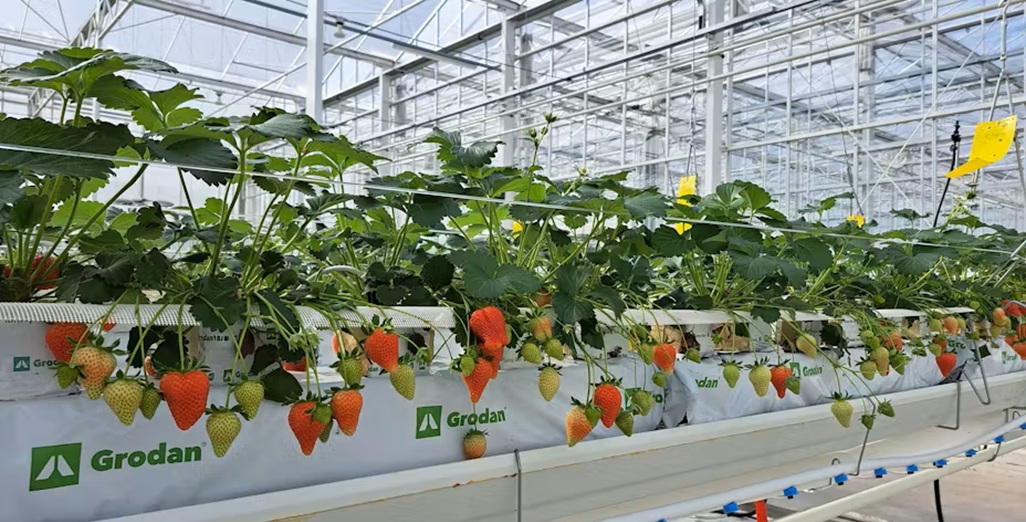
Demystifying stone wool for strawberry cultivation
“Stone wool can make it easier for growers to face some of the current challenges”
May 5, 2026
Turn sunshine into synergy and unlock higher yields year-round
How LED intercanopy lighting complements high radiation and transforms greenhouse production
CLASSIFIED