

Sign up here to subscribe to the Grower2grower Ezine. Every two weeks you will receive new articles, specific to the protected cropping industry, informing you of industry news and events straight to your inbox.
26
Feb 2024
Feb 2024
Harnessing the Power of Biogas
A Sustainable Opportunity for Industrial Manufacturing
From February issue of NZ Manufacturer
-By Insa Errey

While renewable energy has been making strides in various sectors, the potential of biogas in revolutionising industrial manufacturing remains largely untapped in New Zealand.
This article explores the opportunities and benefits of exploring the opportunities of biogas in industrial processes.
Biogas production involves the anaerobic digestion of organic materials such as agricultural residues, food waste, and wastewater. This process utilises microorganisms to degrade the organic material into methane. A byproduct from anaerobic digestion is digestate which can be utilised as biofertilisers.
Reduction of Greenhouse Gas Emissions: Biogas utilisation has multiple advantage in reducing a site’s greenhouse gas emission. First, anaerobic digestion prevents the release of methane—a potent greenhouse gas—into the atmosphere.
By capturing and utilising methane as biogas, greenhouse gas emissions from waste decomposition can be reduced. Secondly, biogas can be cleaned, known as green gas or biomethane. It can be used directly in on-site as process heat, reducing the need to purchase the required gas for heating from external parties and offering a cleaner alternative with lower carbon emissions.
Waste Valorisation: The industrial sector generates substantial amounts of organic waste from processing residues that can end up in landfills or council wastewater treatment facilities. Biogas production provides a valuable solution by converting these waste materials into valuable energy and fertiliser resources.
This waste valorisation not only reduces the environmental impact but also promotes a circular economy approach within the manufacturing process. Producing certified biofertiliser can contribute to increasing food production.
Cost-Effective Energy Source: Biogas can serve as a cost-effective energy source for industrial manufacturing. By harnessing locally available organic waste, sites can create a steady and reliable source of useable energy, reducing dependence on traditional fossil fuels.
Energy Independence: Most manufacturing sites rely heavily on external energy sources, making them exposed to price fluctuations and supply chain disruptions. On-site biogas production and utilisation provides a degree of energy independence.
This can lead to long-term cost savings, increased business stability, and improved competitiveness in the market.
Diversification of Energy Mix: A diversified energy mix is key to building a resilient and sustainable industrial sector. Biogas, when combined with other renewable energy sources such as on-site solar, contributes to a more robust and resilient energy supply portfolio.
This diversified approach ensures a continuous and reliable energy supply, even in the face of fluctuating market conditions or unforeseen challenges.
Challenges: Despite its potential, biogas faces challenges in terms of capital investment, enabling infrastructure, skills development, and the need for supportive policies, certifications and standard. Overcoming these obstacles requires a concerted effort by all. The
Bioenergy Association of NZ has been working hard to commence traction in initiating collaboratives efforts including The Digestate Biofertiliser Accreditation Scheme.
Technological Advancements: Ongoing advancements in biogas purification technologies are improving costs and efficiencies. Including options to explore sale by grid injection of excess gas. Businesses should stay informed about these innovations to capitalise on the evolving landscape of renewable gas solutions.
Manufacturing sites that currently have a large amount of organic waste are prime candidates for exploring the opportunity of biogas, biofertiliser and renewable gas production.
Find out more The Digestate Biofertiliser Accreditation Scheme | Biogas – a Bioenergy Association site or explore the BECA 2021 report for more details Biogas and Biomethane in New Zealand Report | Beca.
Article Source – https://nzmanufacturer.co.nz/2024/02/harnessing-the-power-of-biogas-a-sustainable-opportunity-for-industrial-manufacturing/
CLASSIFIED



















Photo
Gallery












Subscribe to our E-Zine
More
From This Category
April 20, 2026
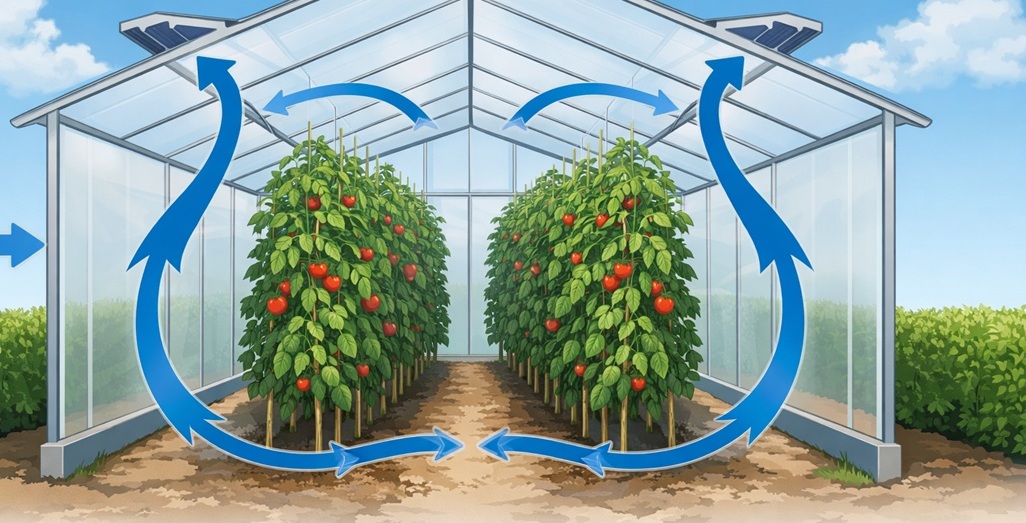
Autumn Challenges: Managing Humidity, Energy Constraints and Crop Balance
A Perfect Storm for Crop Performance
April 7, 2026
Energy Resilience for Greenhouse Horticulture: Electricity at the Core (not just for greenhouse horticulture but NZ Inc?)
Real opportunity for long-term resilience lies in electricity and bioenergy for growers

April 7, 2026
Geothermal Strategy released MBIE
From the Ground Up: A strategy to unlock New Zealand's geothermal potential - March 2026
March 23, 2026
The Carbon Difference Between LNG and Bioenergy: Does it Matter
As domestic gas supply declines and dry-year risks persist, New Zealand faces an important energy question. The challenge is not simply finding a replacement fuel, it is choosing an approach that supports long-term energy security while also reducing our carbon exposure.
March 10, 2026
Energy saving through screens
A combination of screen use, screen quality, greenhouse climate requirements, and greenhouse equipment.
March 10, 2026
Heating Uncertainty Leaves Greenhouse Growers Searching for Answers
Waste oil supply changes force growers to reconsider long-term heating options ahead of winter. Two weeks ago I was alerted that one of the major recycled waste oil suppliers, based in the Auckland region, will soon stop supplying greenhouse growers. For one of my customers this came as a significant shock, particularly given that notice was given that deliveries will cease in the coming months –
CLASSIFIED