
Sign up here to subscribe to the Grower2grower Ezine. Every two weeks you will receive new articles, specific to the protected cropping industry, informing you of industry news and events straight to your inbox.
7
May 2024
May 2024
To truss arch or not to truss arch?
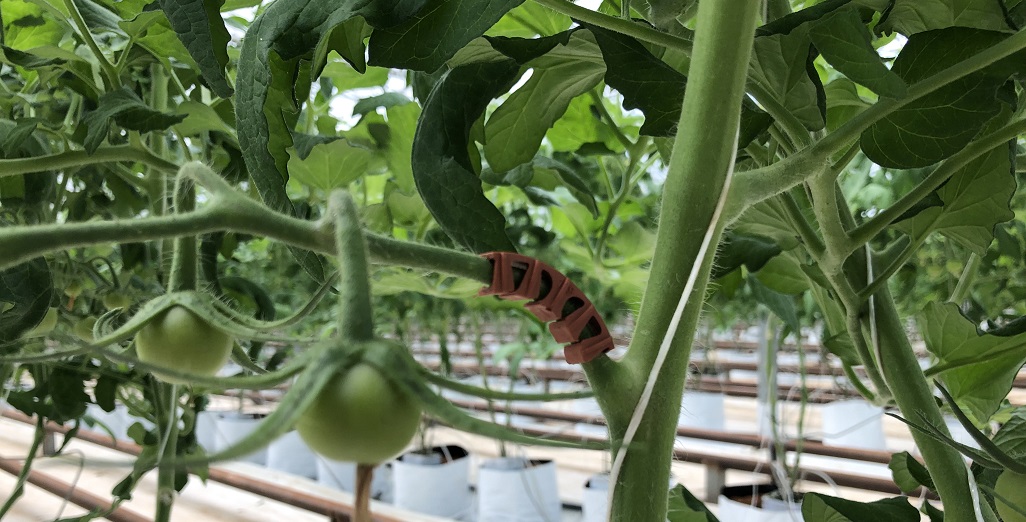
The decision to recommend truss arches on tomato crops is not that complicated, just do it!
By Stefan Vogrincic.
Even though I say just do it, there are contributing factors if you decide to apply truss arches. I will list these factors below, but in general I have never seen a negative result when applying arches correctly and at the right time of the crop cycle. What I do see is growers placing the arches incorrectly, in the wrong place at the wrong angle and far too late in the development of the truss.
In general, for a winter grown crop, whether that be a cocktail or large variety, I would always recommend applying a truss arch or similar support to prevent bending of the truss. If the heads of the plants have been removed and the crop was finishing in June, for example, I would still advise the last six to seven trusses were supported unless it was a short crop, or the trusses were ‘uber’ strong.
From my own personal experience, whilst growing both cocktail and larger tomato varieties over twenty years, is that from early autumn until the middle of the spring, if I did not apply a truss arch and the truss bent, I would lose 30-50% production potential or fruit weight from said truss. It is important to note that not all trusses will bend especially by the side window! Light is a determining factor.
Different growing styles will also have an impact. If you are a cold grower, then you will possibly have harder shorter trusses and if you use energy because you want speed and quality then your trusses will be slightly thinner and require supporting.
One of the biggest issues I come across is the application of the arch:
- Place the arch on as soon as you have clearance from the flower. That is, as soon as you can when the truss is small and supple. Waiting until the fruit is set is generally too long and you will require a different support that clips/hooks the string to the truss.
- Don’t apply first thing in the morning, especially if you are not heating.
- When applying the arch don’t change the natural direction of the truss.
- Make sure the arch is touching the stem and not halfway along the truss.
- Lack of confidence – don’t be scared to break a truss because the more nervous you are the more you will break.
Other Influences based on a balanced crop:
Crop Stage
- Are your heads in all winter (Yes apply)
- Are you growing a short crop (depends on variety but possibly no)
- Are you heating (Yes apply)
- Are you truss pruning (doesn’t matter, answer is Yes apply)
Crop Variety
- Large loose or truss (Yes apply)
- Cocktail type (Yes apply)
- Cherry (No)
Nutrition
- If you have a deficiency (boron levels) you may be exacerbating the issue. I always encourage a runoff water analysis to be conducted monthly.
NOTE: if your crop is weak, it will have an impact, so it is important to have the correct balance between plants per m2, crop load, heating, and irrigation. Insect’s particularly whitefly will also make negatively affect your plants vigour if out of control.

Above a truss arch applied just a day or two too late, it should be closer towards the stem, however this is acceptable.
If you would like advice on this or anything else to do with your crop please e-mail stefan@grower2grower.co.nz
CLASSIFIED
















Photo
Gallery






Subscribe to our E-Zine
More
From This Category
April 20, 2026
Autumn Challenges: Managing Humidity, Energy Constraints and Crop Balance
A Perfect Storm for Crop Performance
April 7, 2026
Signify and University of British Columbia collaborate to further explore feasibility of sustainable year-round greenhouse pepper production
Trial paves the way for growers to capitalize on the market opportunity to provide locally grown bell peppers during the winter months.
April 7, 2026
Think It’s the Bees? Think Again
Proven Hive Performance Suggests Auckland’s Climate and Crop Conditions Are the Key Limiters. Every year, Zonda receives calls from growers saying “the bees aren’t working” and requesting new hives. While hives are sometimes replaced, these cases consistently show that the bumblebees are performing as expected. The real challenge? Humidity, Auckland weather, and plant conditions.
March 23, 2026
Plant-optimized spectrum to maximize photosynthetic efficiency and productivity:
27% higher yield and 40% energy savings in tomato greenhouse drive Woodeumgee Farm to repeat investment in Philips horticulture LED solution
March 10, 2026
Where Does Fusarium Sit on Your Priority List?
When discussing crop health during technical strategy meetings, Fusarium often does not sit particularly high on the list of priorities.
February 23, 2026
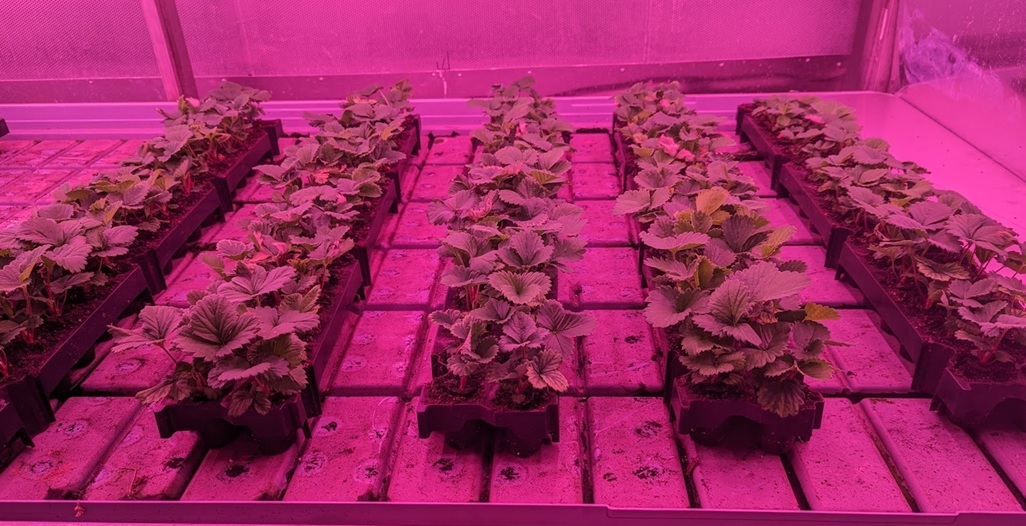
A proven opportunity in strawberry cultivation with indoor-grown generative young plants
Indoor strawberry young-plant production is moving from a promising concept to a proven opportunity. Recent trials with F1 hybrid varieties grown from seed in fully controlled facilities have shown faster development of young plants, a roughly 40% higher fruit yield in the greenhouse, harvesting two weeks earlier, and a clean, chemical-free starting point.
CLASSIFIED