
Sign up here to subscribe to the Grower2grower Ezine. Every two weeks you will receive new articles, specific to the protected cropping industry, informing you of industry news and events straight to your inbox.
30
Jul 2024
Jul 2024
How to navigate the NZ gas market supply crunch: a guide for energy users – by Paul Farrelly – Lumen’s
New Zealand is currently experiencing a major natural gas supply crunch, posing serious challenges for gas users. This article provides:
- A brief overview of the current situation
- The implications for gas users
- Steps to take to navigate your business through these challenging times with confidence.
We are running a webinar on Tuesday 30 July at 12:30 to discuss this topic in more detail and answer your questions. You can register for free here.

What is happening?
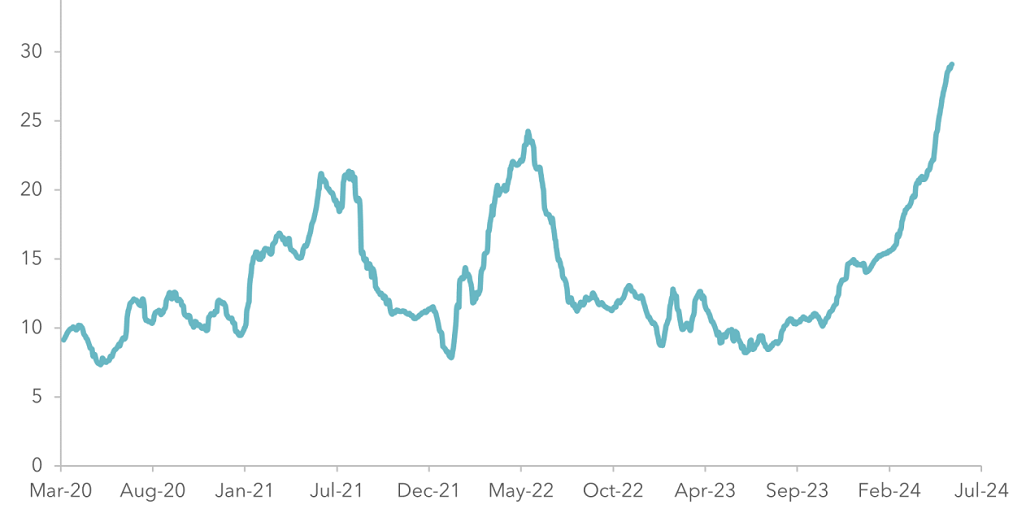
In simple terms gas supply is struggling to meet demand. Gas supply in NZ has been declining steadily since 2020 from levels of 400 – 500 TJ/day to around 300 TJ/day in mid 2024. We are now on a projected decline much more rapid than previously projected and forecast by others such as MBIE and the Climate Change Commission.

In the short term, large gas users such as Methanex have reduced demand. The Gas Industry Co has collated data from the gas suppliers, gas retailers, and major users to develop a picture of the supply and demand across the next 12 months. Despite the existing demand reduction, there is still likely to be a shortfall in supply. It is expected that further demand reduction by large industrial users will be needed to manage supply and demand in the short term.

We have intentionally kept this brief as there has been a lot of amount of commentary over the last few weeks outlining what is happening and some of the reasons why. We want to focus on the implications for gas users and practical actions you can take to navigate your business through these challenging times.
So, what are the implications for gas users?
The main two implications of the gas supply crunch for gas users are:
Security of supply issues
Some suppliers are not offering new gas contracts even for existing customers. Notably the All of Government (AoG) buying group for schools, hospitals, prisons and other public entities is struggling to find firm interest from gas retailers to tender for the supply agreement ending at the end of September 2024. Also Pan Pac recently provided some insight into their experience of having to become a market participant in the gas industry to get gas and their costs tripling.
The long-term gas supply remains uncertain and will be challenging without significant new investment. Even with investments (such as building infrastructure to enable the importing of LNG from Australia), new gas supply will take time (many years) to materialise. Given this, it makes sense to consider now if/how your business could transition to using alternative fuel sources to meet ongoing business needs.
Sharp price increases
If you can get a contract, your new gas rate is likely to be significantly higher (think at least double your existing contract). Wholesale spot rates are up 300% compared to 12 months ago and they show no signs of reducing in the short-term.
What can I do to best navigate my business through these challenges?
To manage your natural gas needs and mitigate risks, we recommend the following short and longer-term actions:
Short-term Actions:
Review your existing gas contract
- Contract Duration: Determine how long you have left on your existing contracts. If your contract is near its end, start planning for the renewal process now.
- Contract Terms: Understand the terms and conditions, especially clauses related to price adjustments, contract extensions, maximum volumes and curtailment requirements
Engage with suppliers
- Early Negotiation: Contact your existing supplier early to discuss potential contract renewals or extensions. Existing customers are more likely to secure better terms.
Approach other suppliers: Your current supplier may be constrained and unable or unwilling to commit to supplying you moving forward. Engage other suppliers as well.\Understand Energy Usage
- Install Interval Metering: Many gas users only see a monthly invoice and don’t know how much gas they are using at different times of the day. Retailers can provide this data if you have a time-of-use (TOU) meter, otherwise installing a meter at the main connection point provides invaluable information for energy management and sizing replacement low carbon heating systems.
- Check your connection size: You may be oversized for your gas requirements moving forward. Consider downsizing if possible as suppliers may be more willing to provide supply to smaller users (to limit their exposure).
Implement Energy Management Quick Wins
- Ensure you are not wasting energy and that your processes are operating efficiently. No-brainer opportunities include switching off equipment when not required, eliminating hot water/steam leaks and boiler tuning (if overdue).
Invest in Longer Term Energy Efficiency Improvements
- Implement longer-term energy efficiency measures such as heat recovery, insulation improvements and high temperature heat pump integration to reduce overall consumption, lower costs and reduce reliance on gas.
- Engage an expert to undertake an energy audit.
- If you’ve already had an energy audit, update it with the latest gas prices. Efficiency investments that previously didn’t stack up financially might now be more viable.
Longer-term Actions:
Diversify Energy Sources
- Alternative Fuels: Look at the option to switch (fully or partially) from natural gas to renewable energy sources such as electricity (especially heat pumps for low temperature heat) or biomass (such as waste wood).
- Production Shifts: If you have multiple facilities, consider shifting production to locations with more stable energy supplies.
Long-Term Planning:
- Plan your Decarbonisation: Develop a long-term energy management and decarbonisation plan outlining how and when you will ultimately transition away from fossil fuels
- Strategic Partnerships: Build partnerships with other energy users to share knowledge and explore collective purchasing agreements.
Monitor Market Trends:
- Stay informed about market trends and regulatory changes to make more informed decisions and anticipate future developments. You can sign up for our quarterly newsletter here.
How can we help?
Our Energy & Carbon team at Lumen has over 20 years’ experience working with energy users to help them secure energy supply, improve energy efficiency and develop long-term energy and decarbonisation strategies.
We can help you in several ways:
Energy supply contracting & tendering
Ensure you get the best deal and terms for your energy supply. We are experienced in running energy supply tender processes to help you to secure the best energy contract possible. We provide this service for natural gas, electricity, LPG, solar PV and more.
Energy audits
Identify, quantify and prioritise energy efficiency and demand reduction opportunities to reduce energy consumption/costs and your reliance on natural gas. We have carried out several hundred energy audits for all types of businesses and organisations in New Zealand since 2004.
Natural gas transition feasibility studies
Identify the best alternative to natural gas and develop a detailed plan and business case to support a transition away to lower carbon fuels such as electrification and biomass. We have carried out many feasibility studies and supported with business case development & project delivery for the resulting projects over the last five years.
Get in touch
If you have any questions or need further assistance, please do not hesitate to get in touch (+64 21 225 7499 or paul.farrelly@lumen.net) to discuss your specific situation in more detail.
Source/link below
(10) How to navigate the NZ gas market supply crunch: a guide for energy users | LinkedIn
CLASSIFIED



















Photo
Gallery
















Subscribe to our E-Zine
More
From This Category
April 20, 2026
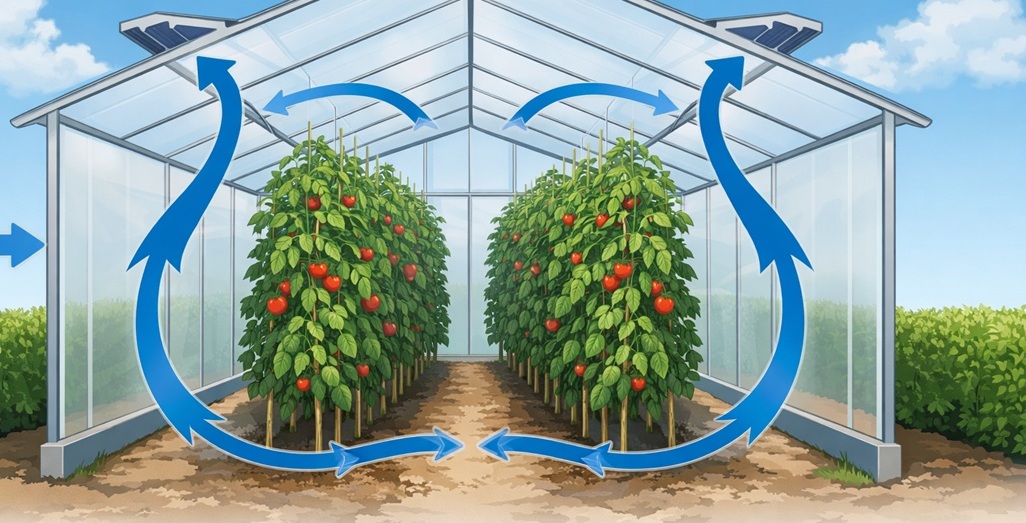
Autumn Challenges: Managing Humidity, Energy Constraints and Crop Balance
A Perfect Storm for Crop Performance
April 7, 2026
Energy Resilience for Greenhouse Horticulture: Electricity at the Core (not just for greenhouse horticulture but NZ Inc?)
Real opportunity for long-term resilience lies in electricity and bioenergy for growers

April 7, 2026
Geothermal Strategy released MBIE
From the Ground Up: A strategy to unlock New Zealand's geothermal potential - March 2026
March 23, 2026
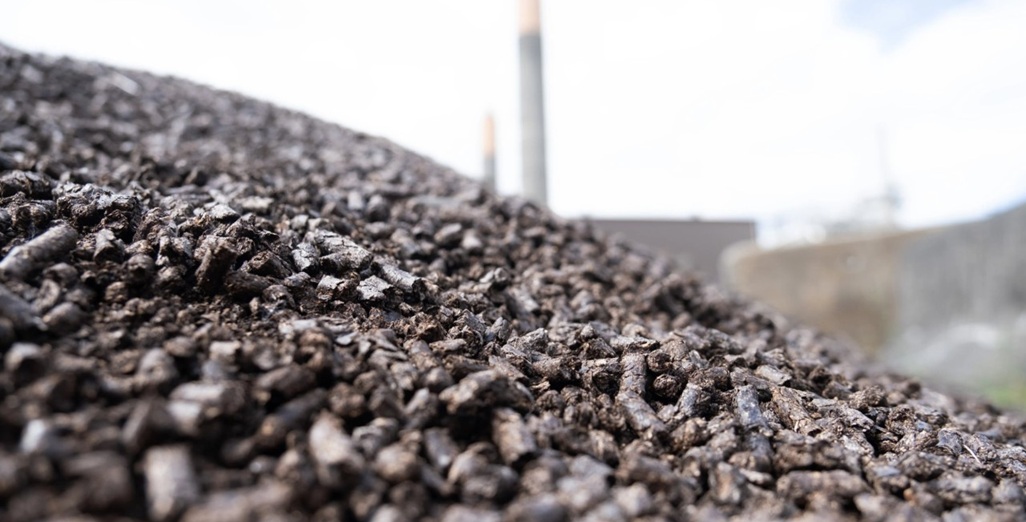
The Carbon Difference Between LNG and Bioenergy: Does it Matter
As domestic gas supply declines and dry-year risks persist, New Zealand faces an important energy question. The challenge is not simply finding a replacement fuel, it is choosing an approach that supports long-term energy security while also reducing our carbon exposure.
March 10, 2026
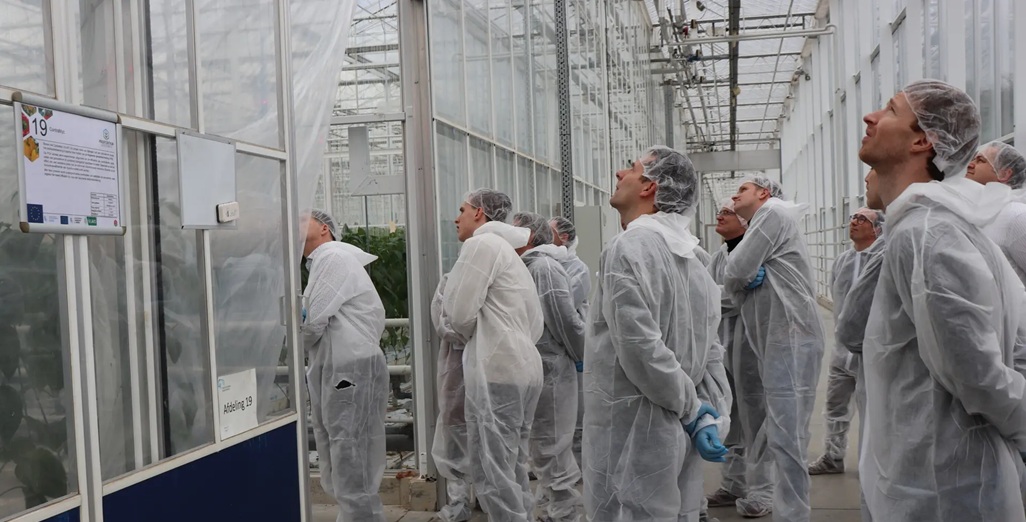
Energy saving through screens
A combination of screen use, screen quality, greenhouse climate requirements, and greenhouse equipment.
March 10, 2026
Heating Uncertainty Leaves Greenhouse Growers Searching for Answers
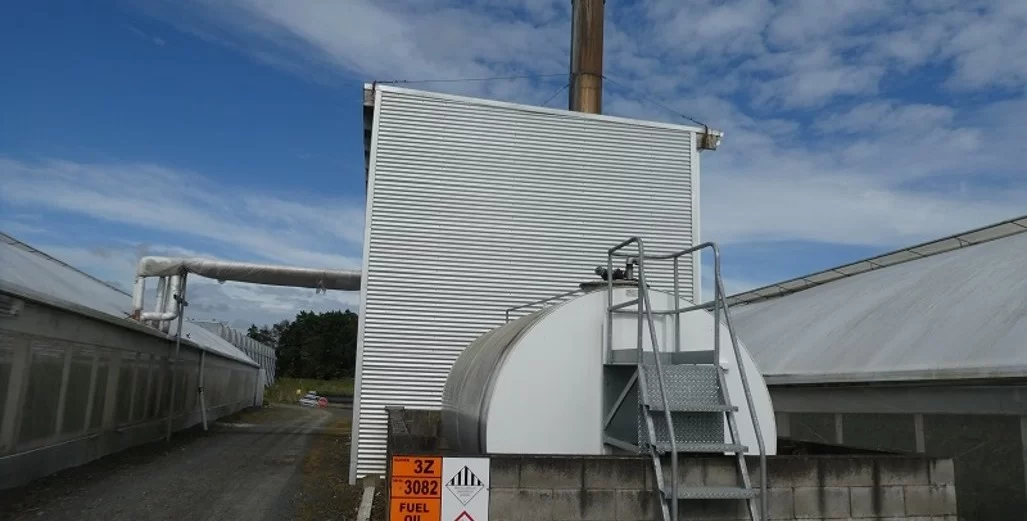
Waste oil supply changes force growers to reconsider long-term heating options ahead of winter. Two weeks ago I was alerted that one of the major recycled waste oil suppliers, based in the Auckland region, will soon stop supplying greenhouse growers. For one of my customers this came as a significant shock, particularly given that notice was given that deliveries will cease in the coming months –
CLASSIFIED