
Sign up here to subscribe to the Grower2grower Ezine. Every two weeks you will receive new articles, specific to the protected cropping industry, informing you of industry news and events straight to your inbox.
8
Oct 2024
Oct 2024
Gas supply for households and small business
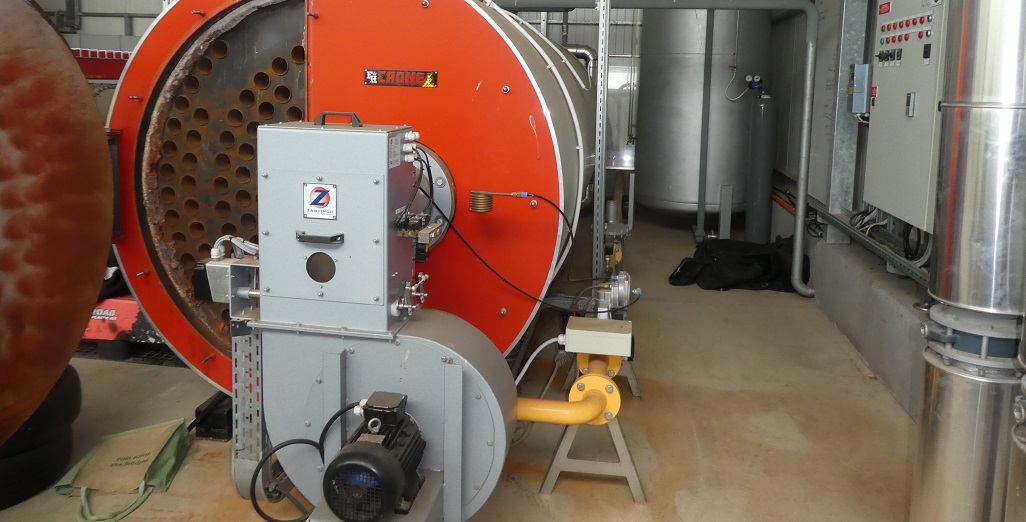
“This winter has highlighted the essential role natural gas plays in keeping the lights on”
Gas supply concerns have made some existing customers who rely on gas for heating and cooking nervous about gas’s availability in the future, according to Jeffrey Clarke, chief executive of GasNZ.
He says, however, that both industry and government modelling confirm that as New Zealand moves to net-zero emissions, a variety of energy gases will remain available, including new low-emission renewable gas options.
“The choice to warm our homes, heat our water, and cook on gas will remain an option for a long time.”
It is also important to distinguish between natural gas and LPG, he says.
LPG is used by around 300,000 customers throughout New Zealand, and is the only gas available in the South Island.
There is no shortage of LPG, Clarke says.
While natural gas – available only in the North Island and delivered through piped connections – has seen tighter supply this winter, LPG, on the other hand, is versatile, abundant and easy to import if needed.
As well as being the preferred energy source for many households, it can replace or supplement natural gas in many commercial applications.
Household and small consumer natural gas use takes up only a tiny fraction, about five percent, of New Zealand’s available supply of natural gas, he says.
“The recent supply concerns have been more about the availability of natural gas for the big industrial users, like manufacturing and electricity generation, not for households and small businesses.”
And as New Zealand’s energy system changes and decarbonises over coming decades, our choices of energy available will change and grow, he says.
“It is hard to predict what those changes will be, but for residential and small business users who want to keep enjoying gas (natural gas, LPG, and the low-net emissions renewable gas versions that are coming), supply of the small volumes needed is unlikely to be a problem.”
This winter has highlighted the essential role natural gas plays in keeping the lights on, Clarke says.
“While New Zealand proudly generates around 85 percent of its electricity from renewable sources – wind, hydro, solar and geothermal – their variability means they also need backup electricity generation, for when the lakes are low, the wind doesn’t blow, or the sun doesn’t shine.
“Natural gas-powered electricity generation is currently the key source of this instant backup power – especially when the hydro lakes are low.
“Typically, this natural gas electricity generation provides around 10 percent of New Zealand’s electricity.”
New Zealand will need natural gas for electricity generation for a while yet, he says.
“As we increase our reliance on renewable electricity to decarbonise the economy, our need for backup and fast-start generation will also grow.
“Over time, the mix of that generation will change, but for now those critical back-up electricity generators are fired by natural gas, and we can’t do without them.
“Government and industry modelling shows that natural gas will continue to be used in New Zealand up to the time we achieve net-zero emissions in 2050 and beyond.”
But moving towards 2050, renewable gases will also play a growing role in decarbonising New Zealand’s energy landscape, he says.
Renewable gases, like the biomethane already being developed from Auckland’s food waste by Ecogas, will soon enter our natural gas pipelines as very low, or net-zero emissions, energy sources.
“There is significant, untapped scope to grow net-zero renewable gas from landfills, water treatment, and agricultural waste in New Zealand, as has already been done for decades in many countries.”
He says similar developments are under way around the world, producing low or net zero-emissions renewable liquid gases – which can be used as direct substitutes for LPG.
“Hydrogen gas is now being used in New Zealand to replace diesel in heavy transport. Together these developments will transform gas energy in New Zealand,” Clarke says.
Further information: Brian Langham, Communications Manager, +64 21 784 626
e: Brian.langham@gasnz.org.nz
Source: GasNZ
About GasNZ
GasNZ represents renewable gas, natural gas and LPG companies. Its vision is that renewable gases, including biogases and hydrogen gas, are a material part of the energy mix in Aotearoa.
Its members cover all gas energy fuels and all parts of the gas chain: gas producers; gas distributors; gas wholesalers and retailers; and gas equipment suppliers.
GasNZ is committed to a net-zero carbon future.
www.GasNZ.org.nz
CLASSIFIED



















Photo
Gallery












Subscribe to our E-Zine
More
From This Category
April 20, 2026
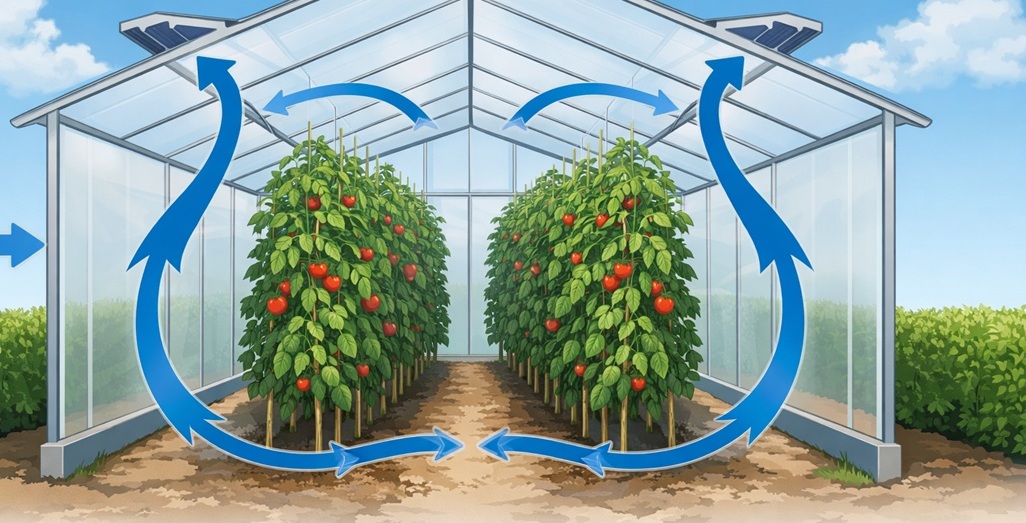
Autumn Challenges: Managing Humidity, Energy Constraints and Crop Balance
A Perfect Storm for Crop Performance
April 7, 2026
Energy Resilience for Greenhouse Horticulture: Electricity at the Core (not just for greenhouse horticulture but NZ Inc?)
Real opportunity for long-term resilience lies in electricity and bioenergy for growers
April 7, 2026
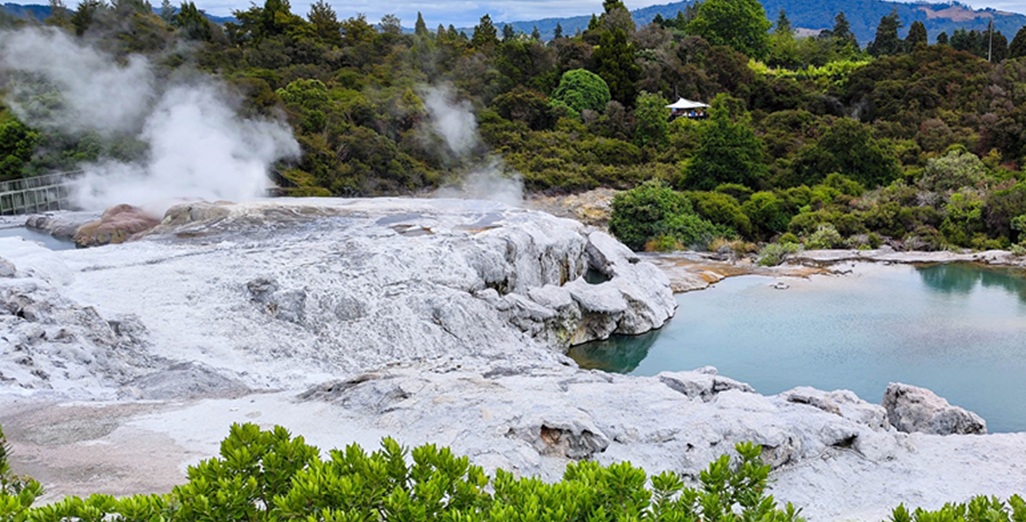
Geothermal Strategy released MBIE
From the Ground Up: A strategy to unlock New Zealand's geothermal potential - March 2026
March 23, 2026
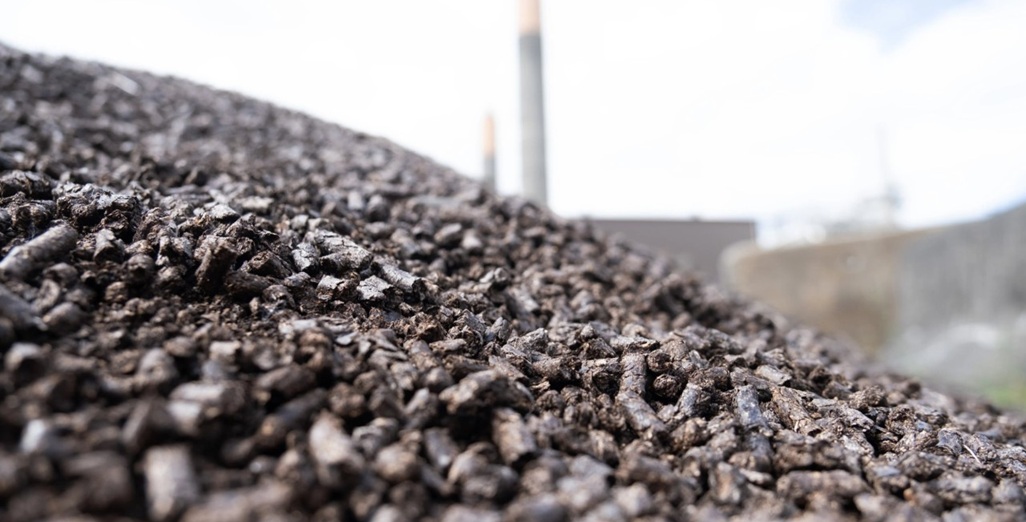
The Carbon Difference Between LNG and Bioenergy: Does it Matter
As domestic gas supply declines and dry-year risks persist, New Zealand faces an important energy question. The challenge is not simply finding a replacement fuel, it is choosing an approach that supports long-term energy security while also reducing our carbon exposure.
March 10, 2026
Energy saving through screens
A combination of screen use, screen quality, greenhouse climate requirements, and greenhouse equipment.
March 10, 2026
Heating Uncertainty Leaves Greenhouse Growers Searching for Answers
Waste oil supply changes force growers to reconsider long-term heating options ahead of winter. Two weeks ago I was alerted that one of the major recycled waste oil suppliers, based in the Auckland region, will soon stop supplying greenhouse growers. For one of my customers this came as a significant shock, particularly given that notice was given that deliveries will cease in the coming months –
CLASSIFIED