
Sign up here to subscribe to the Grower2grower Ezine. Every two weeks you will receive new articles, specific to the protected cropping industry, informing you of industry news and events straight to your inbox.
19
Jul 2022
Jul 2022
Apex Grower evening thought provoking and insightful
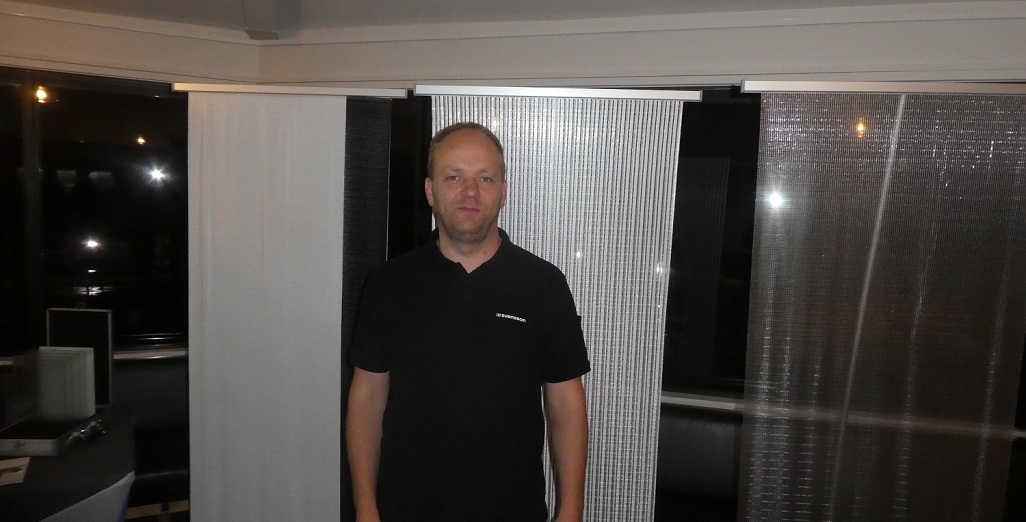
Ton Habraken Greenhouse Climate Expert – Svensson
Last week Apex Greenhouses hosted a grower event, in South Auckland, along with their partners/suppliers of screens Ludvig Svensson. Ton Habraken, a greenhouse climate expert from Ludvig Svensson, delivered an insightful presentation. It was refreshing having an international expert in the same room and not via an online seminar.
I have been in the industry for 30 years and every time I see Ton Habraken, he gets me thinking. Advances in technology, and Ton’s ability to challenge old theories using science, is second to none. Another grower and I had a chuckle after the presentation as ironically were both on the same page and conferred that we need to re think our stance – let me explain.
Years ago, growers that had screens in their greenhouses growing tomatoes would obviously use them to shade or reduce heat in the greenhouse, they were not specifically to act as an energy screen nor were they designed for that. Growers became reliant on them, using them regularly, this slowly weakened the plants to the point they would be too dependent on shade. Crops would slow, the overuse of the screens, creating a fake environment, would make crops lazy, lower the need to transpire and therefore reduce root activity. A simple theory, obvious to the eye at the time.
We are aware that our summers can be harsh and to grow successfully through a tough summer it is a requirement to ensure sure plants are physically robust enough to cope with this weather pattern/scenario. In recent decades growers were extremely fortunate to have products to apply to the greenhouse roof, to protect tomatoes by reflecting heat or diffusing light. These are great products, and we will continue to use them. They are also particularly useful for flower growers. Screens have been used in the capsicum industry since I can remember in New Zealand – it is standard practice; capsicums don’t need the extra light and simply struggle with too much light effecting fruit quality. So, in fact the theory should work for other vegetable crops even tomatoes.
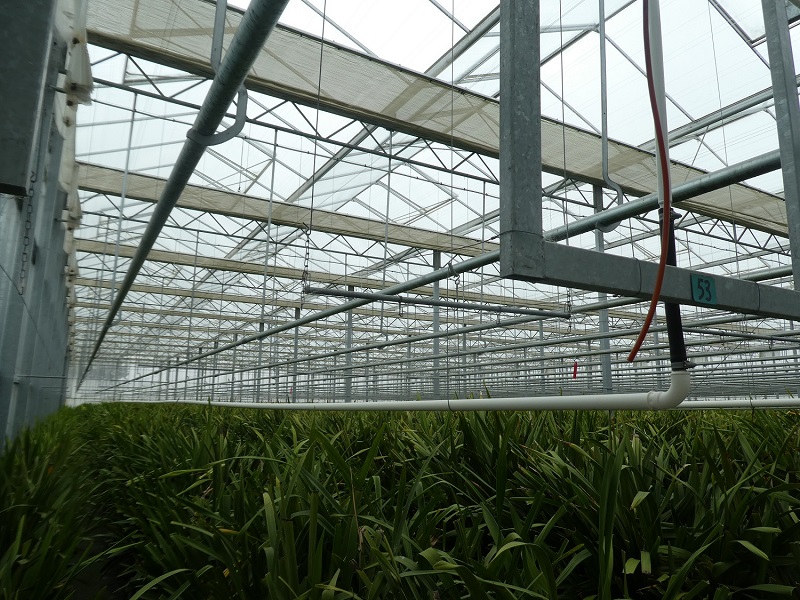
The screen industry has changed dramatically in the last 30 years. Screens are no longer just shade screens, they are used for diffusing light, reducing temperature, reducing energy loss and even black out screens are available. Ton showed by using screens in the summer, during the harshest times of the day, a significant reduction in leaf temperature can be achieved, and still let enough light in. It also reduces plant stress, prevents stomata closing and transpiring can continue efficiently in severe conditions. Tomatoes need X amount of light, each day to work or grow at 100% efficiency. Recently developed, screens now bring the best of both worlds. The skill, is to make sure you are not overusing screens, use data to determine the amount of time each day you could use a screen.
Energy a factor:
When energy was relatively cheap, we thought there was little need for screens but that has changed dramatically as well. New methods of growing, maintaining humidity using absolute humidity (AH) to control the environment is also made easier with screens.
Svensson has recently acquired Hinova, the producer of the innovative vertical ventilation systems, stands for quality and well-proven technology. These characteristics align perfectly with Svensson’s philosophy and high-quality standards. In addition, by adding the knowledge and products of Hinova to its offering, Svensson grows further towards the ambition to be a leading climate solutions partner in the horticultural industry by offering ClimaFlow. https://www.ludvigsvensson.com/en/climate-screens/news/posts/2022/june/welcome-hinova-to-the-svensson-family/
To learn more about how screens could improve your greenhouse growing operation I strongly recommend you contact Apex, and they will work with Svensson to meet your requirements. They have multiple solutions for different scenarios.
contact:
https://www.apexgreenhouses.co.nz/
CLASSIFIED







Photo
Gallery


Subscribe to our E-Zine
More
From This Category
March 10, 2026
Where Does Fusarium Sit on Your Priority List?
When discussing crop health during technical strategy meetings, Fusarium often does not sit particularly high on the list of priorities.
February 23, 2026
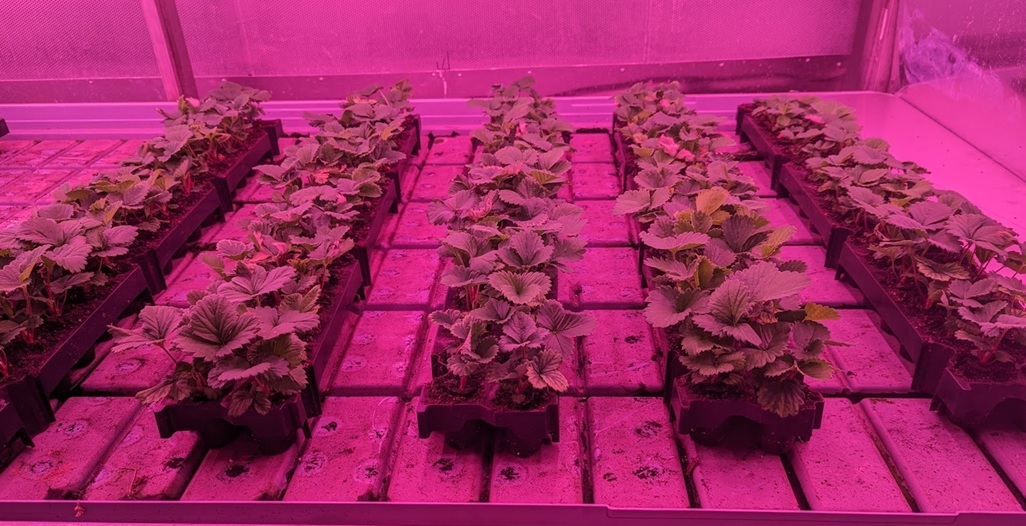
A proven opportunity in strawberry cultivation with indoor-grown generative young plants
Indoor strawberry young-plant production is moving from a promising concept to a proven opportunity. Recent trials with F1 hybrid varieties grown from seed in fully controlled facilities have shown faster development of young plants, a roughly 40% higher fruit yield in the greenhouse, harvesting two weeks earlier, and a clean, chemical-free starting point.
February 23, 2026
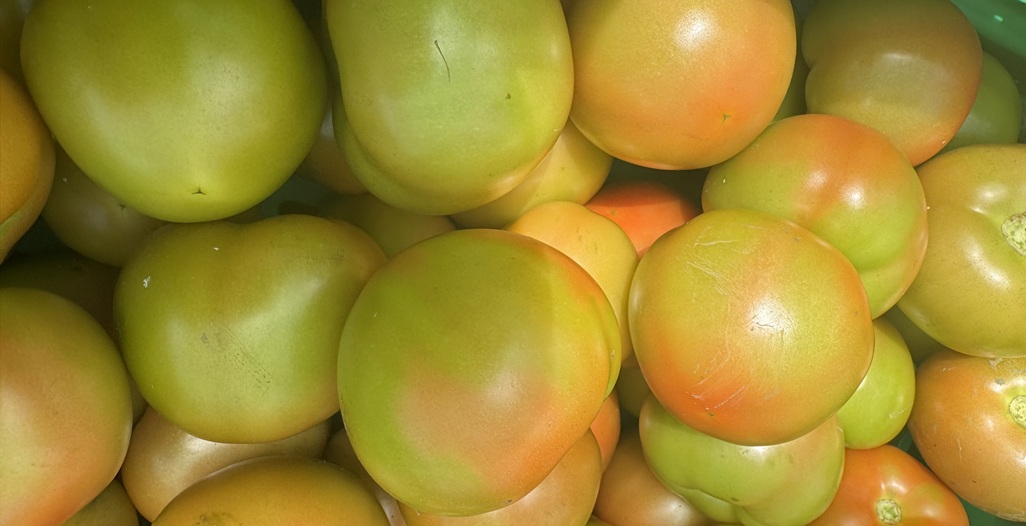
How blotchy ripening (green spots), a troublesome potential quality issue in this high-yielding variety, can be reduced by adjusting the nutrient balance – specifically the potassium and nitrogen ratios.
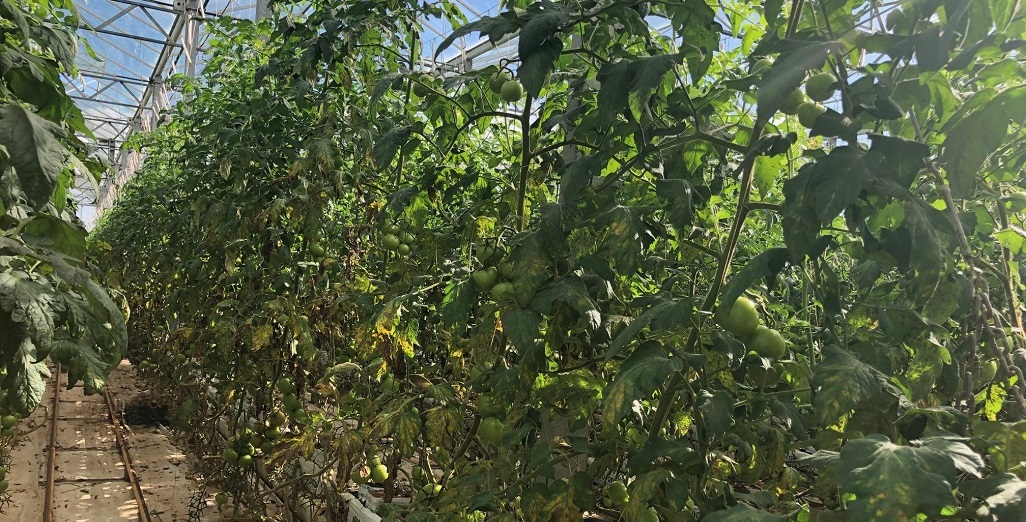
Low-heat, full-LED trial on track to achieve higher yields and better quality in larger truss tomatoes
February 23, 2026
Leaf Mould (Cladosporium) plant samples required
Leaf mould continues to be a significant issue for many growers across the country, particularly given the weather conditions we have experienced over the summer.
February 10, 2026
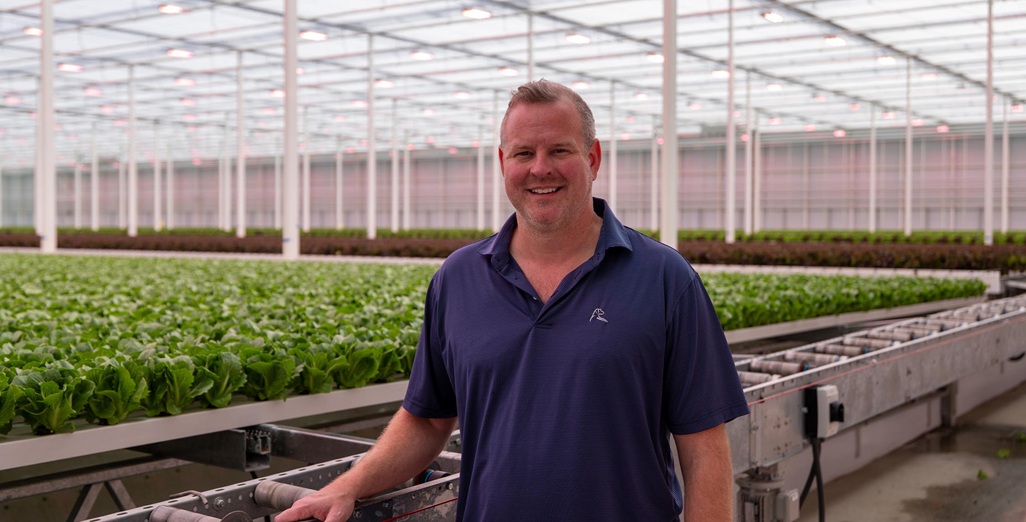
Equinox Growers improved crop quality and achieved consistent yield using Philips GreenPower LED toplighting force for leafy greens production
Signify (Euronext: LIGHT), the world leader in lighting, is proud to announce the outstanding success that Equinox Growers has achieved in their leafy greens production using Philips LED toplighting force.
January 27, 2026
Three research insights in preventing tip burn in a hybrid LED tomato crop
Research article: When transitioning from HPS lights to LEDs, the screen and heating strategies can rarely be directly copied from a previous HPS setup.
CLASSIFIED