
Sign up here to subscribe to the Grower2grower Ezine. Every two weeks you will receive new articles, specific to the protected cropping industry, informing you of industry news and events straight to your inbox.
12
Oct 2021
Oct 2021
Autonomous Greenhouse Growing is a Reality
Growers’ roles will change
Opinion:
Recent autonomous greenhouse challenges have proven to be very interesting with the ‘non growers’ coming out on top. It is a reminder how the industry is evolving and plants could be grown autonomously.
This may cause some concerns for growers but it really excites me. I view this as an opportunity for any grower to concentrate on the day to day running of the operation without necessarily being bogged down analysing data. Instead of making experienced, informed but never the less ‘gut instinct’ decisions, growing of the plants could be made by an autonomous programme. As a grower or advisor, you form opinions and figure out what a balanced plant should looks like. However, we are mostly reactive to a plant showing signs of strength and weakness by altering temperatures, humidity, irrigation settings and fruit load. There is still planning, I always analyse the current balance of any crop and use this to advise on future fruit loading for instance but it is not an exact science.
A real time example is temperature – if you have a very sunny day, you may wish to increase 24-hour temperature and conversely less if the weather is poor. Manually changing the temperatures is possible but the setpoints we use are from experience rather than exactly what is required for ‘real time’ optimum growth. Even though there are already computer systems that can increase or decrease temperature, if certain light levels are reached, these are fixed settings and require manual changes/inputs. Imagine if every day your temperature achieved matched the exact light levels and if the plant still exceeded growth targets, which were automatically and real time observed via cameras, then the temperature was altered automatically to reach that growth and production optimisation.
I find the possibilities are mind boggling. You may think – ‘hang on this guy is going to do himself out of a job’, this may be true but you cannot stop progress and the ever-increasing requirement for sustainability, which in this case is making sure every resource you have is used to its optimum. If I was using too much temperature, wasting fertiliser or any other precious resource I would want to know, wouldn’t you? It can only be better for the environment, the consumer and your back pocket.
It may be possible that the grower (operator) of your business is sitting in an office on the other side the world analysing data and making alterations to your crops if necessary. These specialised growers/advisors will probably also send you a work schedule or they may even programme your automatic de-leafing machines to remove foliage when necessary. Those robots may even be integrated with the programme that when the plant reaches a certain leaf area index they start working instantly, yes even on a Sunday.
I think there will always be a need for onsite-growers but their roles may change to a manager/organisational role. Below is a link to the GreenTech website on Autonomous growing in the future. It is well worth viewing.
https://www.greentech.nl/news/food-for-thought/the-age-of-the-autonomous-greenhouse-has-begun/

Article written and compiled by Stefan Vogrincic
All Article’s checked and edited by Marie Vogrincic
I appreciate your comments. Please feel free to comment on the grower2grower Facebook page:
https://www.facebook.com/StefanGrower2grower/
CLASSIFIED










Subscribe to our E-Zine
More
From This Category
February 23, 2026
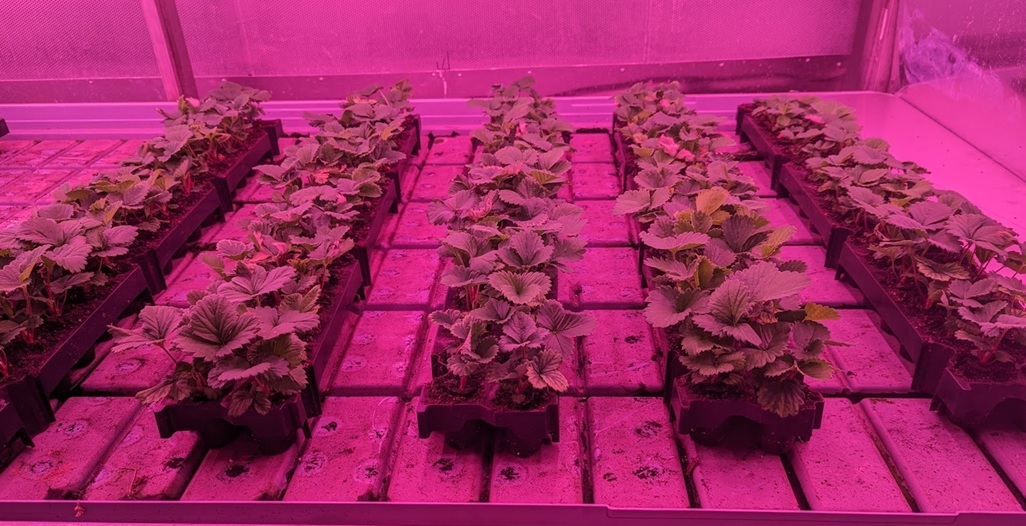
A proven opportunity in strawberry cultivation with indoor-grown generative young plants
Indoor strawberry young-plant production is moving from a promising concept to a proven opportunity. Recent trials with F1 hybrid varieties grown from seed in fully controlled facilities have shown faster development of young plants, a roughly 40% higher fruit yield in the greenhouse, harvesting two weeks earlier, and a clean, chemical-free starting point.
February 23, 2026
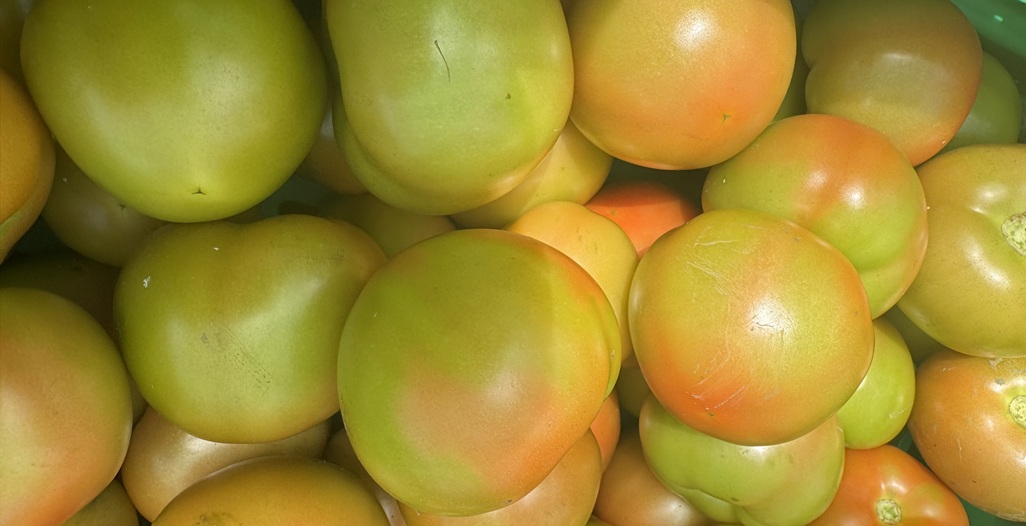
How blotchy ripening (green spots), a troublesome potential quality issue in this high-yielding variety, can be reduced by adjusting the nutrient balance – specifically the potassium and nitrogen ratios.
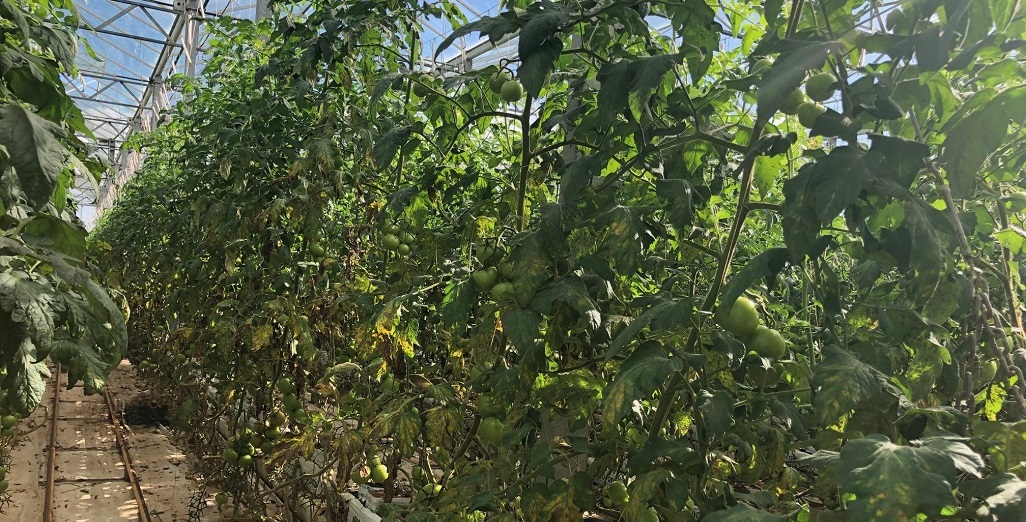
Low-heat, full-LED trial on track to achieve higher yields and better quality in larger truss tomatoes
February 23, 2026
Leaf Mould (Cladosporium) plant samples required
Leaf mould continues to be a significant issue for many growers across the country, particularly given the weather conditions we have experienced over the summer.
February 10, 2026
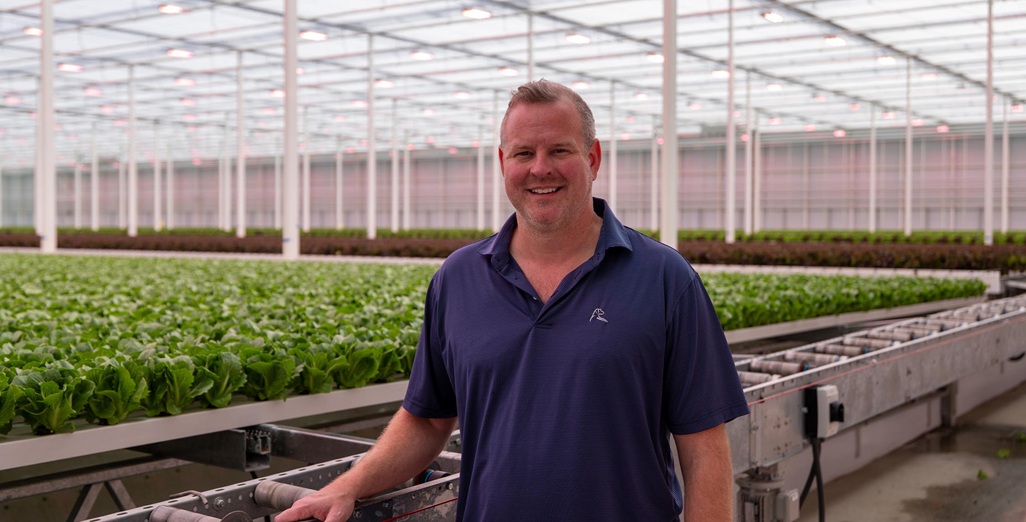
Equinox Growers improved crop quality and achieved consistent yield using Philips GreenPower LED toplighting force for leafy greens production
Signify (Euronext: LIGHT), the world leader in lighting, is proud to announce the outstanding success that Equinox Growers has achieved in their leafy greens production using Philips LED toplighting force.
January 27, 2026
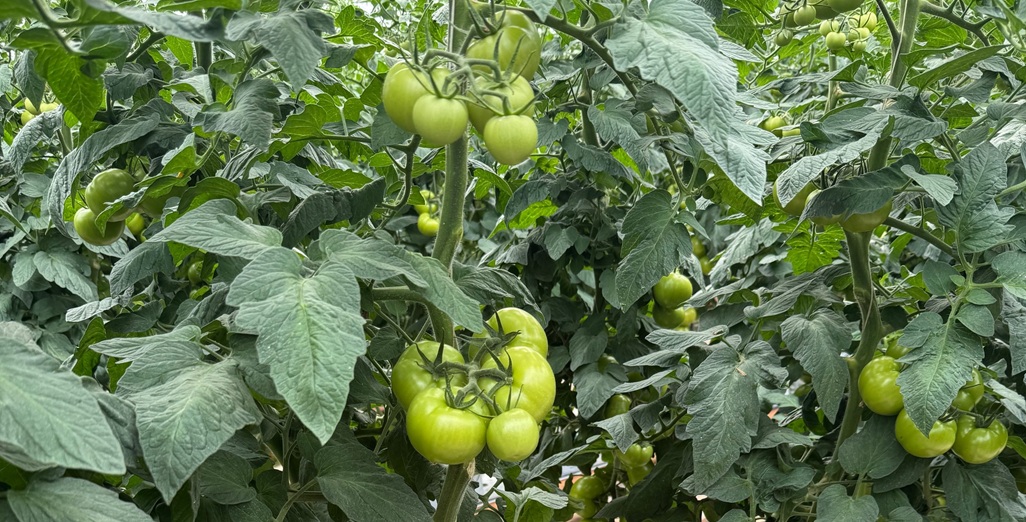
Three research insights in preventing tip burn in a hybrid LED tomato crop
Research article: When transitioning from HPS lights to LEDs, the screen and heating strategies can rarely be directly copied from a previous HPS setup.
January 12, 2026
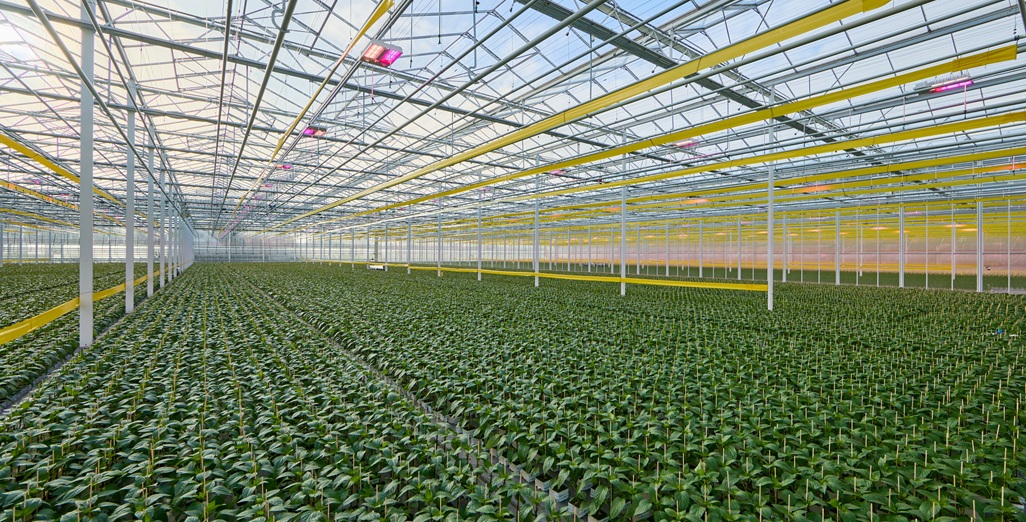
Successfully upgrading their HPS lighting across 45 hectares at six cultivation sites
Vreugdenhil-Klugt optimizes year-round plant production with Philips GreenPower LED and GrowWise control system
CLASSIFIED