

Sign up here to subscribe to the Grower2grower Ezine. Every two weeks you will receive new articles, specific to the protected cropping industry, informing you of industry news and events straight to your inbox.
28
Mar 2022
Mar 2022
BEST OF 2022 – Greenhouse Papaya Production
GREENHOUSE PAPAYA PRODUCTION
By Dr Mike Nichols
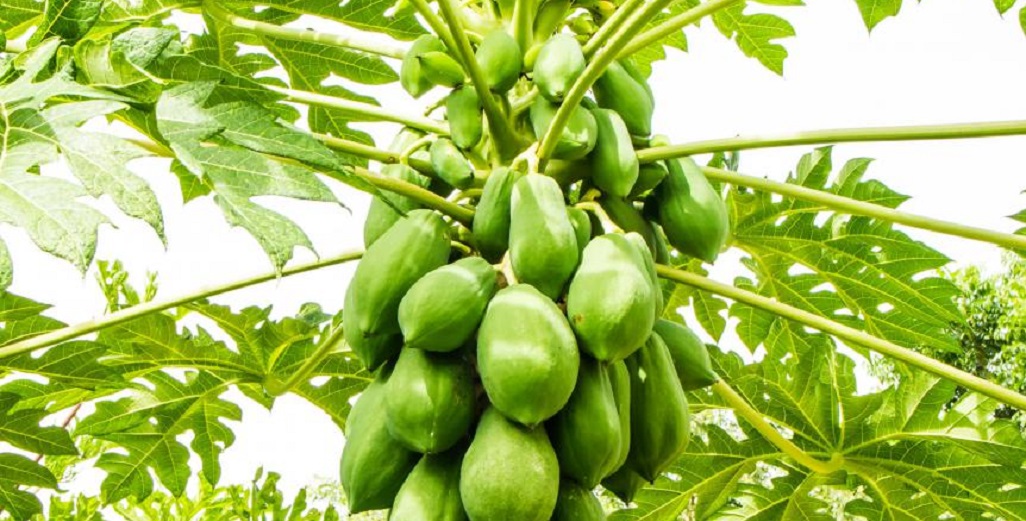
Anyone who has traveled in the tropics should have fond memories of fresh fruit salad breakfasts which included the sweet orange fleshed papaya. Unfortunately, the few fresh papaya that can be purchased in New Zealand are but a poor imitation of this freshly harvested tropical fruit. The problems are two-fold, first bio-security demands that the fruit must be treated to eliminate all risk of fruit fly entering the country and secondly the fruit must be harvested early to ensure that it will not be over-ripe when it reaches the consumer. The result is that even with expensive air-freight the fruit is still harvested a little immature, and this is even more so, when sea freight is used.
This even applies in Europe, where much of the fresh papaya currently is grown in greenhouses in the Canary Islands (part of Spain and therefore part of EU), but even the airfreight costs or slower sea transport has meant that there is considerable interest in producing fresh papaya in Almeria in southern Spain for the European market. In the Netherlands the University of Wageningen is also looking at the production of this crop, using modern Dutch greenhouse technology, while EU have funded a significant research project in Almeria.
Many years ago there was interest in New Zealand in growing a close relative of the papaya, (called babaco, sometimes also called the mountain pawpaw) but it never really caught on. Papaya is a very different product, far sweeter and requiring much warmer growing conditions. There is some papaya currently grown in New Zealand (see Laurneson, 2021), but this is primarily for medicinal purposes, as the leaves in particular may contain valuable medicinal properties against dengue fever.
There are a lot to learn before attempting to grow papaya for ripe fruit in New Zealand, namely:
- The plant is very susceptible to a virus disease called papaya ring spot virus, which can also be carried in the Cucurbitaceae, so do not grow any of the cucumber/melon/pumpkin etc near the papayas! There are some ring spot resistant varieties, but this resistance has been introduced by genetic engineering (GE), which is not currently acceptable in New Zealand (or EU).
- Papaya plants from seed are a mixture of three sexes, namely, male, female and hermaphrodite. Only the hermaphrodite is required for producing fruit. As papaya plants do not flower until they are about 1.5 metres (about 6 months after sowing the seed) they require a lot of greenhouse space initially in order to grow a sufficient numbers of plants to select out the hermaphrodites from the males and females. However, this step can be avoided by sampling foliage from very young seedlings, and using a molecular marker to determine the sex of the plant.
- Papayas can also be propagated from cuttings (or tissue culture) or even by grafting.
- Currently we have no information on which varieties will perform best in New Zealand—so the best approach is probably to purchase seed of a range of different varieties, and to see how they perform.
- Having identified which of these hermaphrodite plants perform best (yield and quality etc) then these should be used to provide cuttings for future commercial crops.
- So why not import tissue cultured plant material of existing varieties? Apart from the bio-security aspect the reality is that because a plant does well in one specific environment it may not perform as well in New Zealand
This then poses questions of how the crop should be grown.
Should a hi-tech greenhouse (as is being trialed in Netherlands) be used, or a simple plastic greenhouse with minimum environmental control (as in Southern Spain)? Certainly, the current information available at this time suggests that when environmental conditions are poor (eg temperatures below 20C) that not only can sex change occur in the flowers, but the sugar content in the ripening fruit will fall. This suggests that a hi-tech greenhouse would be most suitable for the winter production, but a simple plastic one for summer production, except that the plants are normally grown until they reach the roof of the greenhouse, which normally takes 18 months to 2 years.
Currently in Spain plants are grown in the soil, but in the Netherlands hydroponics appears to be the way to go, and I suspect that will be the New Zealand methodology.
There is in the scientific literature information about varieties etc, but the problem is the relevance to New Zealand conditions. We do not even know what size fruit the general public prefers, and fruit from the different varieties can range up to 1.8kg.
Conclusions
There is only a very limited amount of information about greenhouse production of papayas. The recently book (published by CABI) on Papaya edited by Sisir Mitra contains a single chapter written by Sauco and Hernadez on greenhouse cultivation, and is predominantly based on the Spanish experience.
References
Laurenson, W (2021) “Papaya extract potential.” Orchardist, 94 (2), 48-9.
Mitra, S (2020) “Papaya-botany, production and uses”. CABI, 269 pp.
Photographs
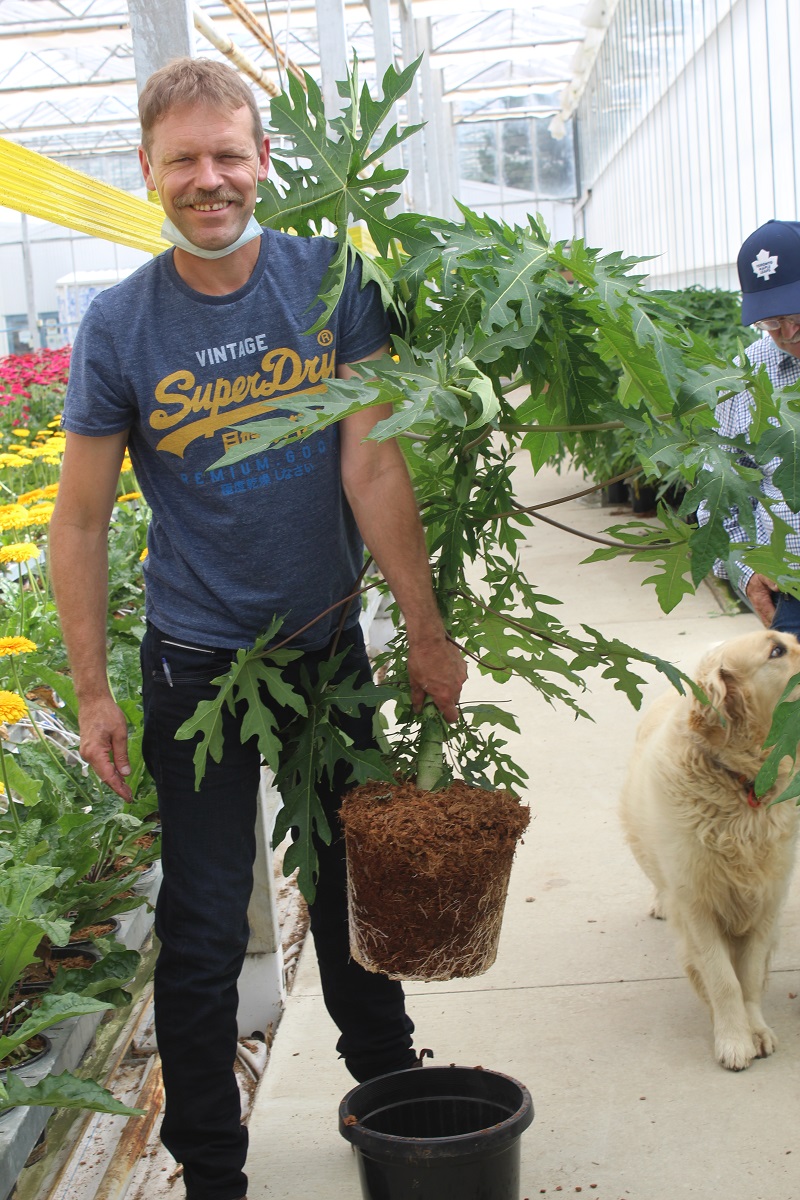
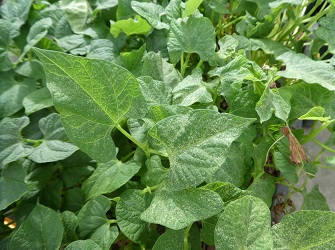
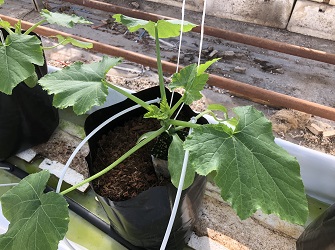
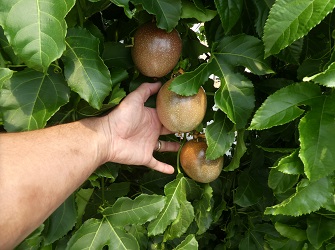
Young papaya plant, yet to show first flowers.
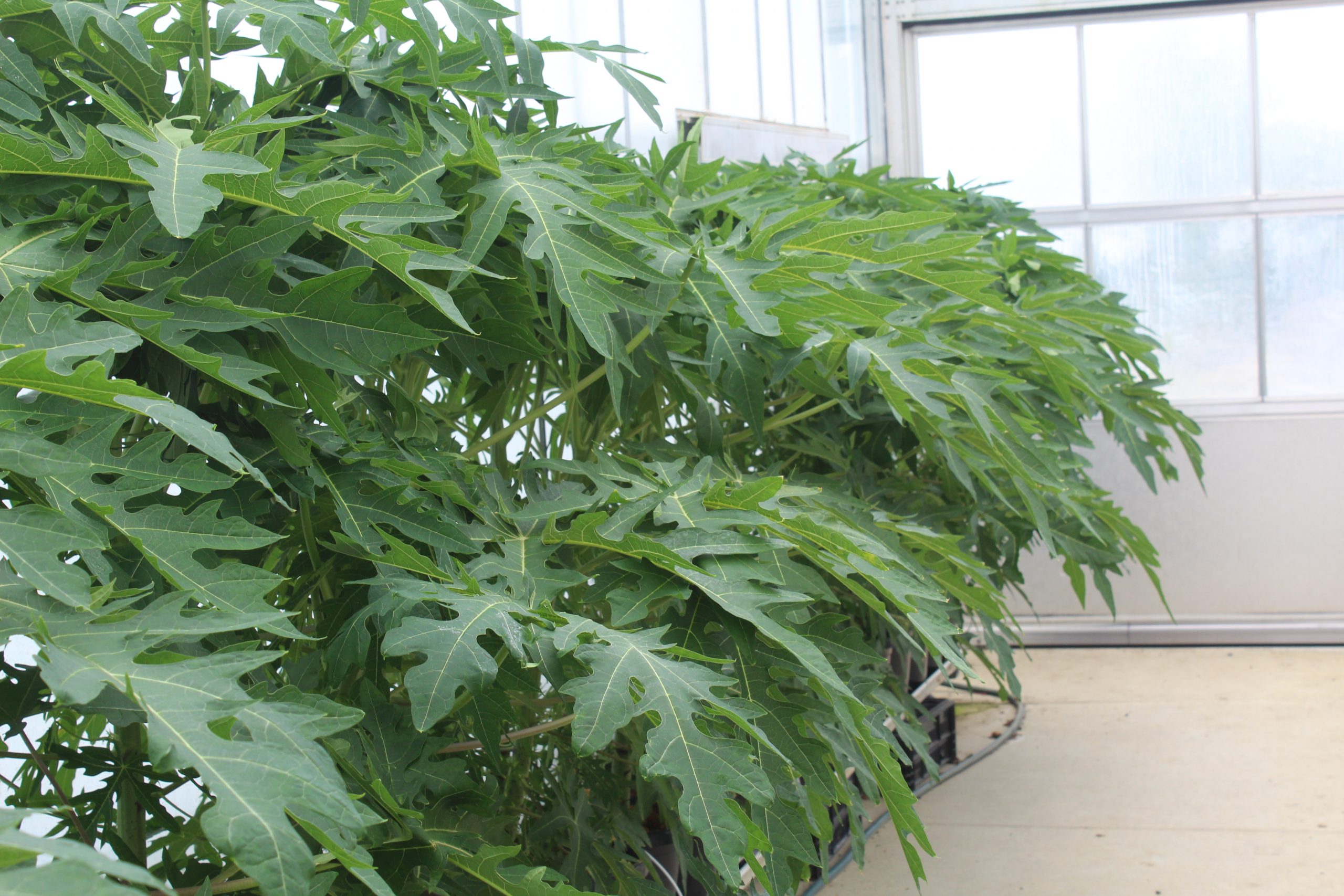
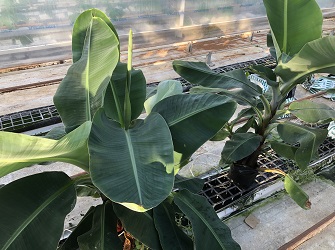
Young papaya plants
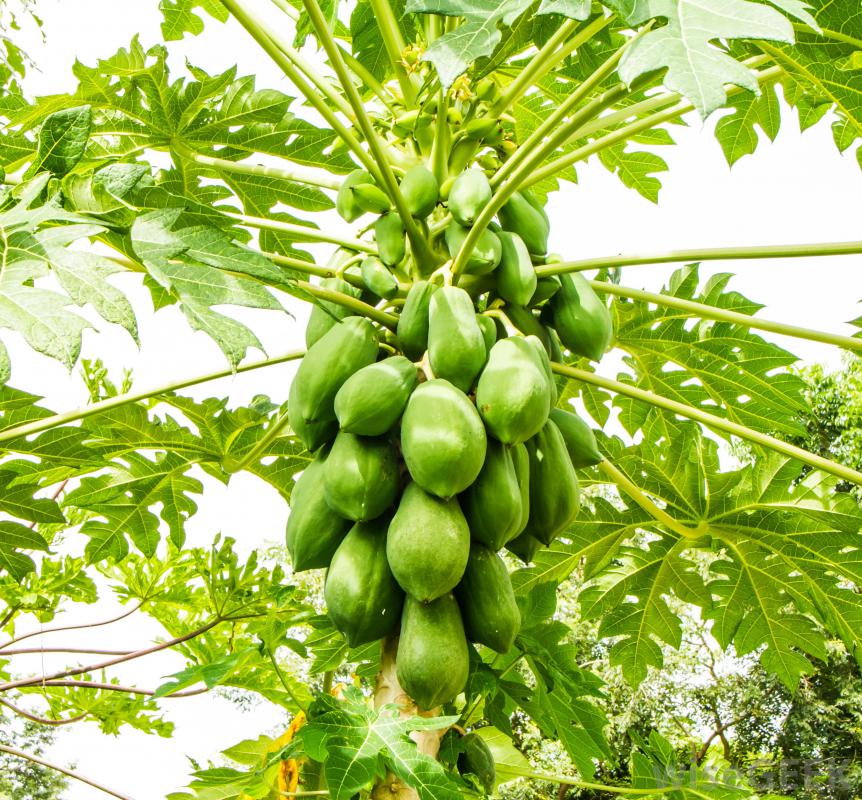
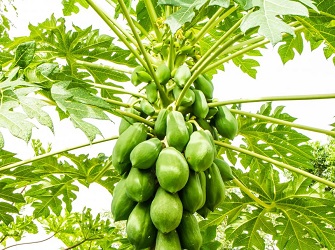
Mature papaya plant
CLASSIFIED



















Photo
Gallery


Subscribe to our E-Zine
More
From This Category
March 10, 2026
Where Does Fusarium Sit on Your Priority List?
When discussing crop health during technical strategy meetings, Fusarium often does not sit particularly high on the list of priorities.
February 23, 2026
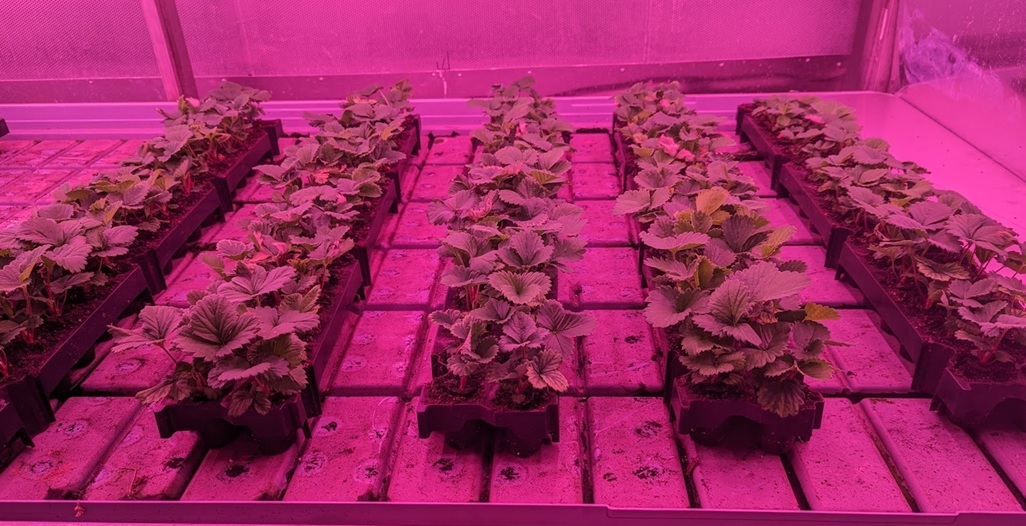
A proven opportunity in strawberry cultivation with indoor-grown generative young plants
Indoor strawberry young-plant production is moving from a promising concept to a proven opportunity. Recent trials with F1 hybrid varieties grown from seed in fully controlled facilities have shown faster development of young plants, a roughly 40% higher fruit yield in the greenhouse, harvesting two weeks earlier, and a clean, chemical-free starting point.
February 23, 2026
How blotchy ripening (green spots), a troublesome potential quality issue in this high-yielding variety, can be reduced by adjusting the nutrient balance – specifically the potassium and nitrogen ratios.
Low-heat, full-LED trial on track to achieve higher yields and better quality in larger truss tomatoes
February 23, 2026
Leaf Mould (Cladosporium) plant samples required
Leaf mould continues to be a significant issue for many growers across the country, particularly given the weather conditions we have experienced over the summer.
February 10, 2026
Equinox Growers improved crop quality and achieved consistent yield using Philips GreenPower LED toplighting force for leafy greens production
Signify (Euronext: LIGHT), the world leader in lighting, is proud to announce the outstanding success that Equinox Growers has achieved in their leafy greens production using Philips LED toplighting force.
January 27, 2026
Three research insights in preventing tip burn in a hybrid LED tomato crop
Research article: When transitioning from HPS lights to LEDs, the screen and heating strategies can rarely be directly copied from a previous HPS setup.
CLASSIFIED