
Sign up here to subscribe to the Grower2grower Ezine. Every two weeks you will receive new articles, specific to the protected cropping industry, informing you of industry news and events straight to your inbox.
17
Jun 2024
Jun 2024
Condensation re-visited
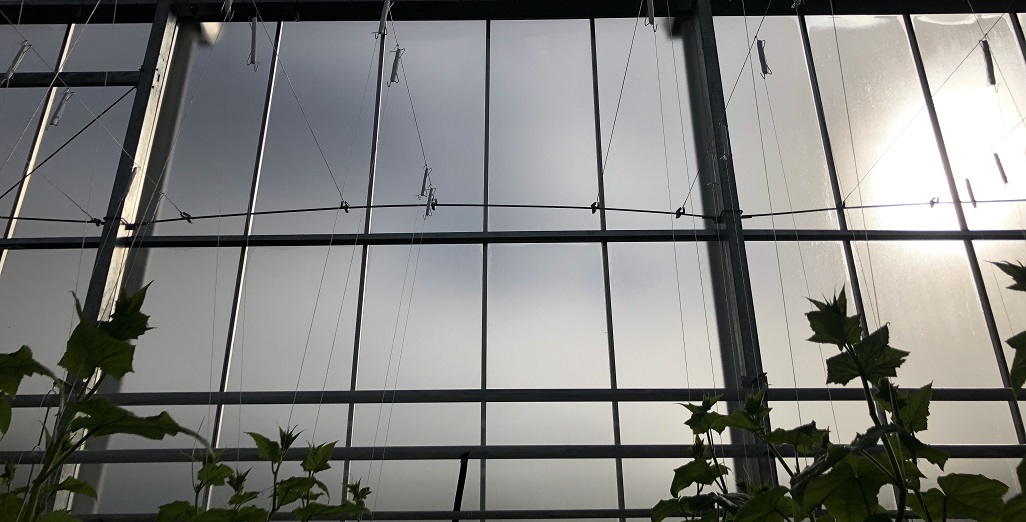
Better light transmission equals an increase in income and less light transmission equals a decrease in income
As we approach the shortest day of the year daily light levels, on average, are low. Every joule of light your plant receives directly impacts production. A clean roof gives you the best chance to maximise light transmission but even a clean greenhouse roof that doesn’t deal with condensation on the inside could cause unnecessary loss of light transmission that also equals a loss in production.
In 2019 I posted the article below. The article is a reminder for growers to consider several measures to help reduce condensation. If you are trying to keep in as much energy as possible by restricting venting, especially in the morning, remember every action will have a reaction and when it comes to condensation, not always positive.
Every property will be different so please contact me if you want advice tailored to your greenhouse.
https://www.grower2grower.co.nz/condensation-the-forgotten-problem/
I’ve previously written, on this site, in regard to the impact on reduction of light penetration that condensation has. I am very interested to know if growers are using anti-condensation coatings and if they are not, why?
It is estimated that up to 8% loss of light is caused by condensation in glasshouse structures and it could cause a staggering light loss of up to 25% in plastic houses!! As condensation is not present 100% of the time, I don’t know if this reduction in light % is throughout the entire day or only when condensation is present. However, in the winter condensation can remain for a long period of time depending on many factors.
There are a few reasons why I think growers are not yet using anticondensation coatings. I don’t believe it is the cost of the anti-condensation products.
1, Equipment:
Do you have the equipment to be able to spray the inside of glasshouse roofs effectively? There are all sorts of obstacles in the way. You will require a spray-boom capable of avoiding all of the wires and that can deal with the internal pitch of the roof to get even coverage? You almost need a boom that can be automatically extended and retracted so you are able to move between span or bay.
2, Time of Application:
Coating should be applied is in March-April, however, the weather is still very good and workloads are still high so it is possible growers are not finding time to apply the coatings. Crops might still be in and with these sorts of products it is recommended or preferable to apply when the greenhouse is empty. However, you can test on a small area to see if anti-condensation products cause any phytotoxicity to your cultivar. For cucumber growers, who have regular crop changes, you have more opportunity to apply anti-condensation products easily compared to long croppers.
3, Planning:
Planning two-three months in advance with any growing operation is hard work but thinking eight months in front is much harder. I believe that this is a serious issue, any reduction in light, in the late autumn and all of winter, that is avoidable will directly affect production. Even if it meant a 5% increase in production over a four-month period it must be worth the investment. Furthermore, by having reduced condensation you should reduce water droplets falling on plants therefore reducing fungal pressure.
There are products for both Glass house and Plastic house. This covers a broad range of all protected cropping. Click on the links below to see what products are available.
https://www.redusystems.co.nz/en/other-products/maintenance-op/anticondens-for-glass/
https://www.redusystems.co.nz/en/other-products/maintenance-op/anticondens-en/
Article and images provided by Stefan Vogrincic. Please e-mail stefan@grower2grower.co.nz
CLASSIFIED









Photo
Gallery





Subscribe to our E-Zine
More
From This Category
March 10, 2026
Where Does Fusarium Sit on Your Priority List?
When discussing crop health during technical strategy meetings, Fusarium often does not sit particularly high on the list of priorities.
February 23, 2026
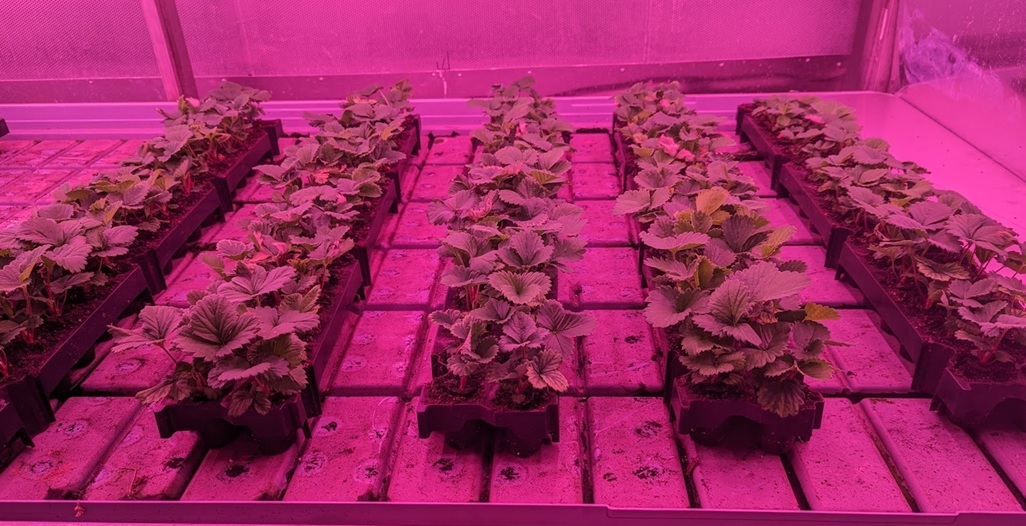
A proven opportunity in strawberry cultivation with indoor-grown generative young plants
Indoor strawberry young-plant production is moving from a promising concept to a proven opportunity. Recent trials with F1 hybrid varieties grown from seed in fully controlled facilities have shown faster development of young plants, a roughly 40% higher fruit yield in the greenhouse, harvesting two weeks earlier, and a clean, chemical-free starting point.
February 23, 2026
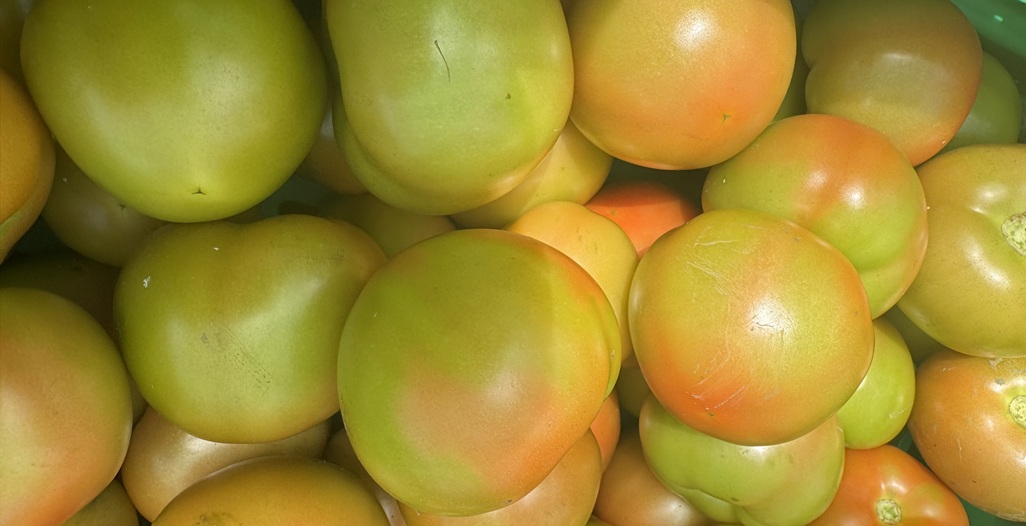
How blotchy ripening (green spots), a troublesome potential quality issue in this high-yielding variety, can be reduced by adjusting the nutrient balance – specifically the potassium and nitrogen ratios.
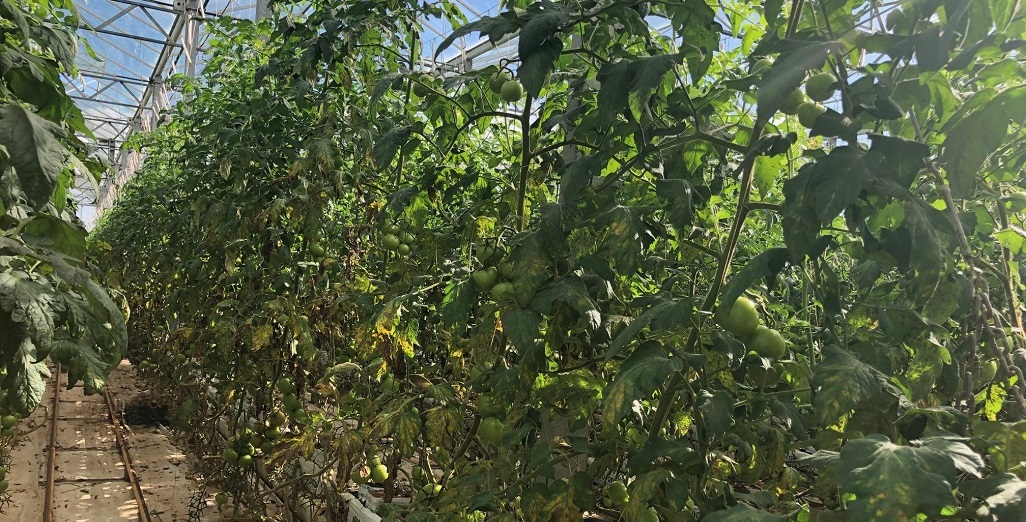
Low-heat, full-LED trial on track to achieve higher yields and better quality in larger truss tomatoes
February 23, 2026
Leaf Mould (Cladosporium) plant samples required
Leaf mould continues to be a significant issue for many growers across the country, particularly given the weather conditions we have experienced over the summer.
February 10, 2026
Equinox Growers improved crop quality and achieved consistent yield using Philips GreenPower LED toplighting force for leafy greens production
Signify (Euronext: LIGHT), the world leader in lighting, is proud to announce the outstanding success that Equinox Growers has achieved in their leafy greens production using Philips LED toplighting force.
January 27, 2026
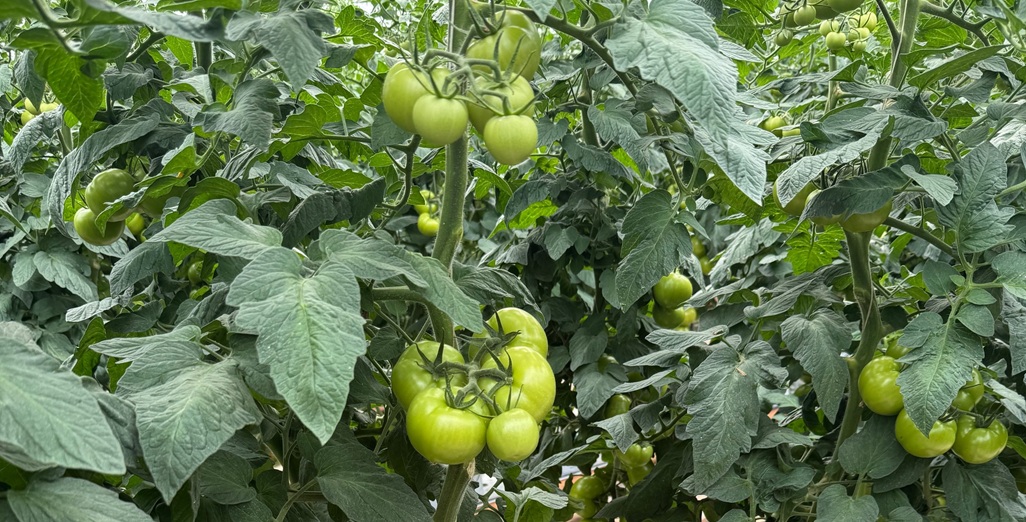
Three research insights in preventing tip burn in a hybrid LED tomato crop
Research article: When transitioning from HPS lights to LEDs, the screen and heating strategies can rarely be directly copied from a previous HPS setup.
CLASSIFIED