

Sign up here to subscribe to the Grower2grower Ezine. Every two weeks you will receive new articles, specific to the protected cropping industry, informing you of industry news and events straight to your inbox.
10
May 2022
May 2022
Do you drop your leaf on the ground?
The Advantages and Disadvantages
This year has been a tough one for growers, finding staff is just one of the issues they are facing. Until RSE workers, students and backpackers return, to pre-covid numbers, this issue will continue.
Growers have felt the pinch, especially large employers with costs of inputs, such as seed, fertiliser, and fuel, increasing by between 20% and 50% over the past few years. We need short and long-term solutions to help ease the labour shortage issue. One potential labour-saving solution is removing leaf, from the plants, and dropping them on the greenhouse floor.
Personally, I was never in favour of dropping my (tomato pruning’s) leaf on the ground, I preferred to remove them from the glasshouse primarily from an aesthetics perspective. I convinced myself that by removing leaf, it would make it easier to walk down rows and there was less chance of unhatched whitefly eggs hatching. I thought leaving the leaves on the plants was detrimental to fungal pressure. To be fair I thought I made a fair case for removing the leaf but, it was not cost effective.
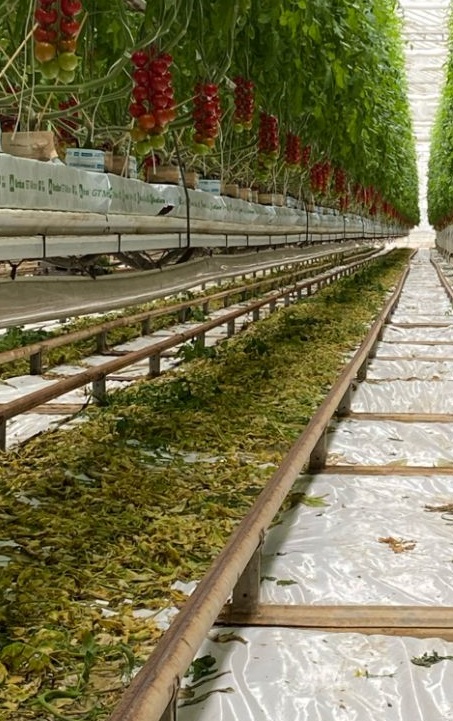 In every greenhouse there may be physical reasons why you should or should not remove the leaves. If you have elevated grow-gutters there would be no reason not to place the leaf under them. The whitefly argument was unsubstantiated as most of the eggs, if not all, had hatched by the time the leaf pruning took place. The only caveat to that is if you are leaf pruning high to deliberately remove un-hatched eggs from your crop.
For the fungal side, once you have leaf mould in your crop it is extremely difficult to ever be free from it so either choose a variety with strong resistance or drop sulphur on your pipes. Now I don’t see a huge advantage in removing the infected leaf from your crop. In conclusion I believe the cost/benefit is in favour of dropping the leaf on the ground – it is so much faster, there is less waste management to deal with and it is a huge time saver.
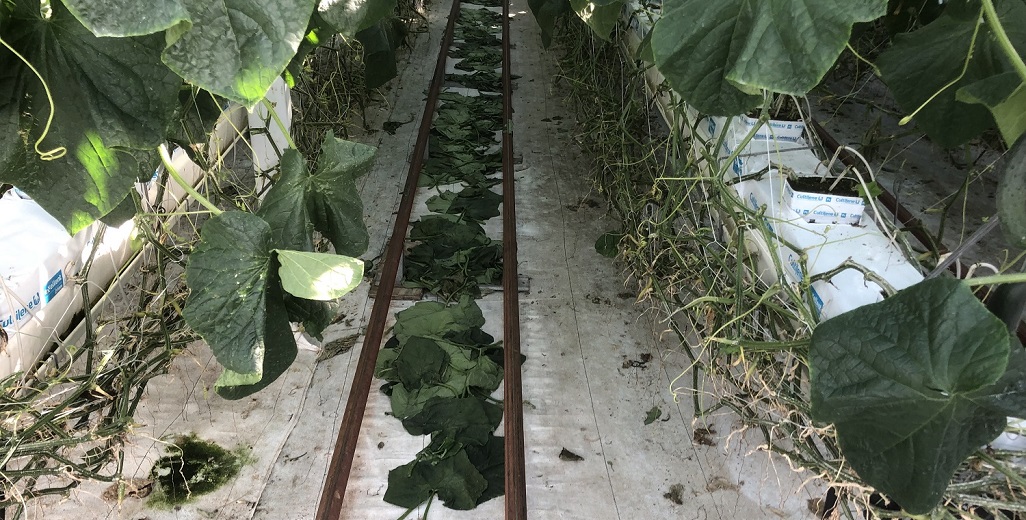
For cucumber growers I suggest dropping the leaf on the ground, letting it shrink and then sweeping if up to remove. I don’t recommend leaving cucumber leaf in the greenhouse long term as it breaks down too quickly, can be slippery to walk on and smells repugnant.
For capsicums or eggplants, it is simply a case of understanding the drawbacks to leaving the leaf on the ground.
I am interested in every point of view – my view not everyone will agree with, but it is worth considering.
Article written and compiled by Stefan Vogrincic
All Article’s checked and edited by Marie Vogrincic
I appreciate your comments. Please feel free to comment on the grower2grower Facebook page:
CLASSIFIED











Photo
Gallery



Subscribe to our E-Zine
More
From This Category
February 23, 2026
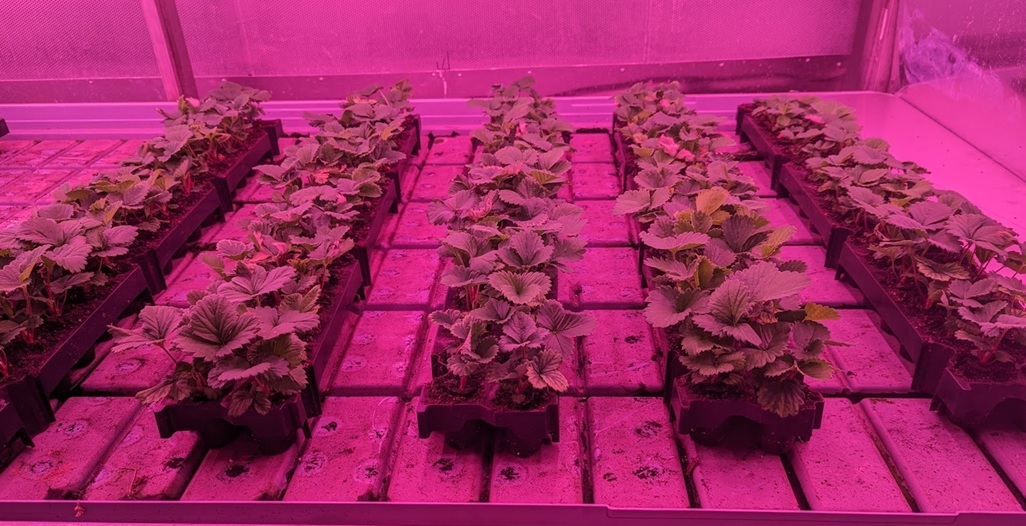
A proven opportunity in strawberry cultivation with indoor-grown generative young plants
Indoor strawberry young-plant production is moving from a promising concept to a proven opportunity. Recent trials with F1 hybrid varieties grown from seed in fully controlled facilities have shown faster development of young plants, a roughly 40% higher fruit yield in the greenhouse, harvesting two weeks earlier, and a clean, chemical-free starting point.
February 23, 2026
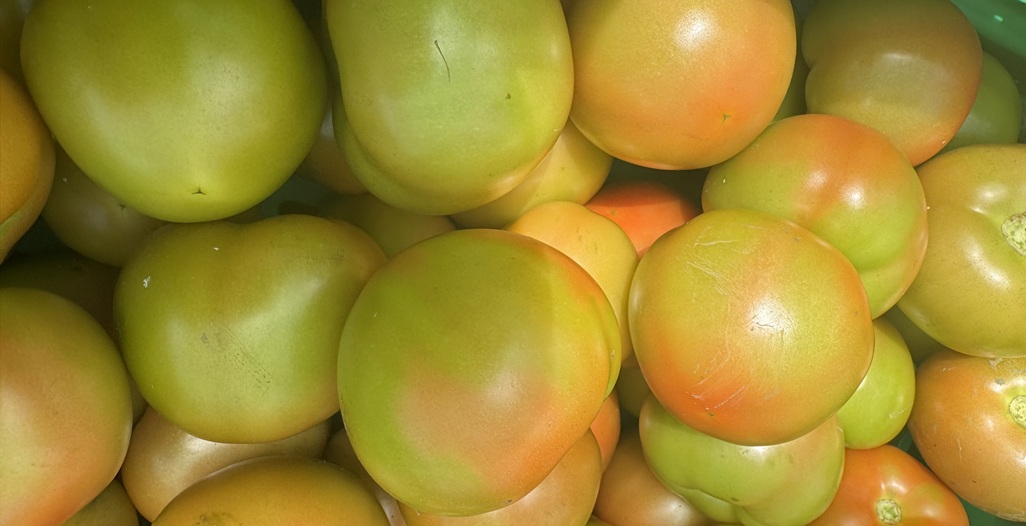
How blotchy ripening (green spots), a troublesome potential quality issue in this high-yielding variety, can be reduced by adjusting the nutrient balance – specifically the potassium and nitrogen ratios.
Low-heat, full-LED trial on track to achieve higher yields and better quality in larger truss tomatoes
February 23, 2026
Leaf Mould (Cladosporium) plant samples required
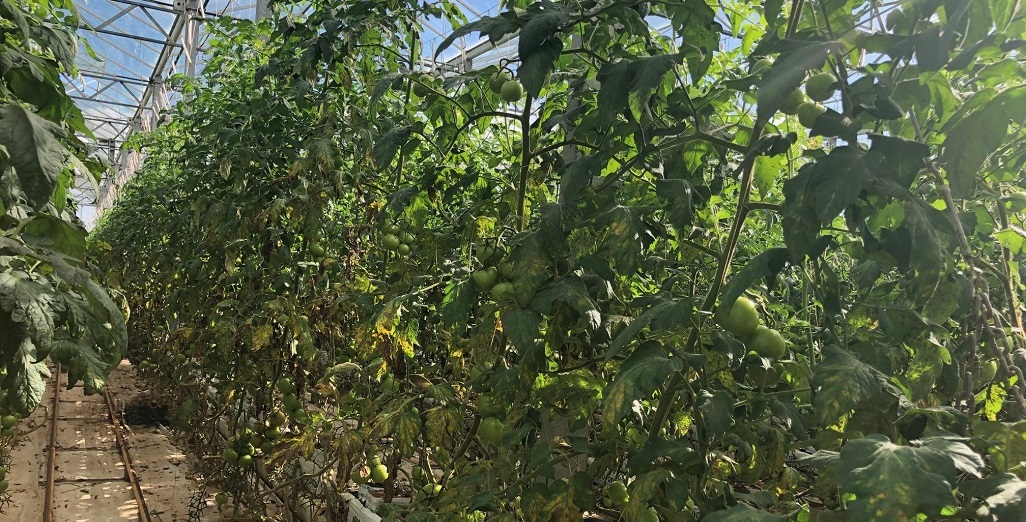
Leaf mould continues to be a significant issue for many growers across the country, particularly given the weather conditions we have experienced over the summer.
February 10, 2026
Equinox Growers improved crop quality and achieved consistent yield using Philips GreenPower LED toplighting force for leafy greens production
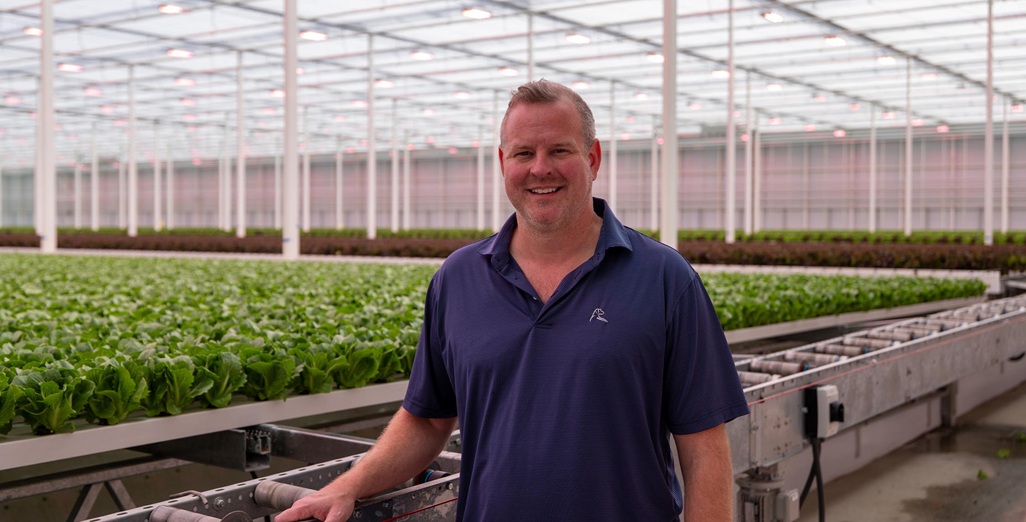
Signify (Euronext: LIGHT), the world leader in lighting, is proud to announce the outstanding success that Equinox Growers has achieved in their leafy greens production using Philips LED toplighting force.
January 27, 2026
Three research insights in preventing tip burn in a hybrid LED tomato crop
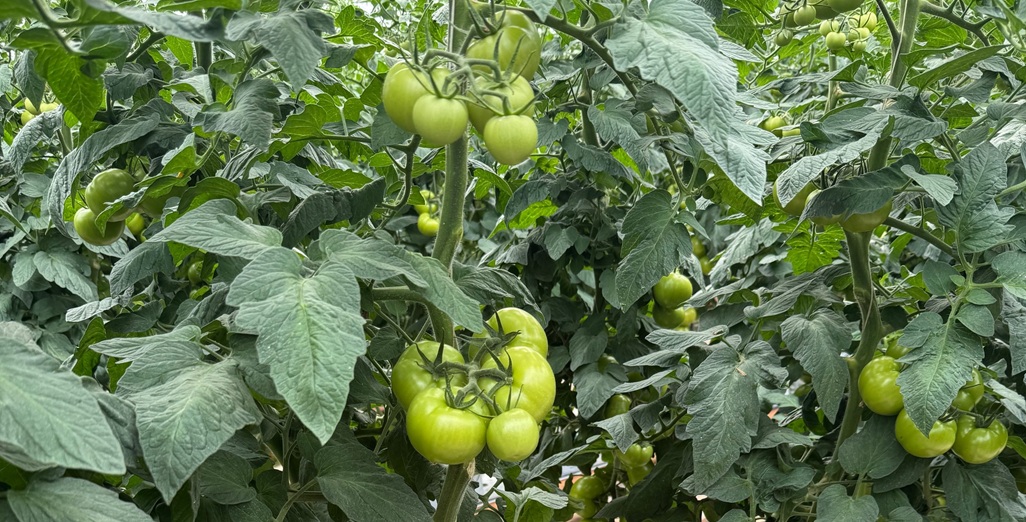
Research article: When transitioning from HPS lights to LEDs, the screen and heating strategies can rarely be directly copied from a previous HPS setup.
January 12, 2026
Successfully upgrading their HPS lighting across 45 hectares at six cultivation sites
Vreugdenhil-Klugt optimizes year-round plant production with Philips GreenPower LED and GrowWise control system
CLASSIFIED