

Sign up here to subscribe to the Grower2grower Ezine. Every two weeks you will receive new articles, specific to the protected cropping industry, informing you of industry news and events straight to your inbox.
2
Dec 2019
Dec 2019
Grafted Cucumbers part 4
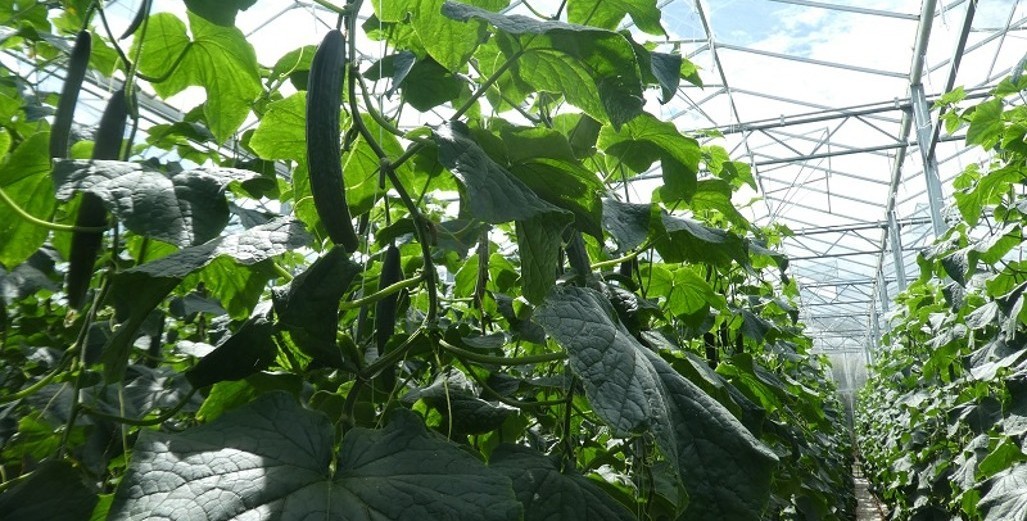
Two weeks before heads out
The trial of grafted cucumbers I’ve been monitoring has been both intriguing and very positive.
The Shintoza rootstock, provided by Premier seeds, has come through with flying colours, no visible or obvious plant losses due to Pythium. The collar of the plant, close to the base of the block, has no cracks which often happens with cucumber stems. This may have prevented infection from entering a sensitive part of the stem. The root disease or lack of any root issues is extremely positive.
Comparing grafted plants to un-grafted plants is the main purpose to help identify potential positive outcomes. The un-grafted did have some small amounts of Pythium. The largest difference is easily identified in the Leaf Area Index (LAI). The un-grafted plants have a bigger leaf surface, larger fruit as a consequence. The grafted plant had smaller leaf panels (LAI) and the fruit size was smaller on average. The grafted plant started picking one week earlier and over the duration of the crop the un-grafted has produced strongly.
FACTORS:
Grafted plants were in essence more generative. This might have to do with both grafted and un-grafted on the same irrigation valve. If the grafted plants had a higher water uptake/need then it is possible, they never quite had enough replenishment. The second issue was the LAI, when you walked through the rows of grafted plants it just appeared far too open. It would have been good to have increased stem density to compensate (by approximate one third). Considering the naturally increasing light and temperature, an increase in stem density would be my thinking.
THE KEY:
The only way to fully test my theory is to have an entire irrigation valve growing grafted plants. The water content and EC may vary slightly each day from grafted and un-grafted, therefore it is difficult to make a final conclusion. To be honest it needs its own house, but this is not always an option with a trial.
CONCLULSION:
I am still very excited with the opportunity to monitor and understand what positive outcomes these grafted plants could present, so far they have not disappointed. The plants are uniform, consistent in growth, root disease is minimal to non-existent. In the next trial I will be encouraging to increase the stem density to both increase the LAI and to increase production. I want to test the potential of the grafted plant. The grafted plant must have a financial gain for growers, to pay for the extra cost of seed and grafting (although there will be a saving in root health products required). Understanding the best way to irrigate, and manage the plant, will be the key to convince growers to change to grafting over the traditional non-grafted. Tomato growers initially used grafted plants because it gave certainty over the longevity of the crop, an un-grafted crop, that had no root health issues, could still yield high production but the risk element drastically reduces with grafting. The same may be said with cucumbers, except we still have to figure out growing and watering strategies which should provide large increases in yield.

Premier Seeds Ltd is the distributor of Shintoza Rootstock: Contact Imke Blackett from Premier seeds: imke.blackett@premierseeds.co.nz or phone 027 2444 611
Shintoza is a plant with very strong root system, with high resistance to soil-borne diseases and good compatibility with different watermelon, cucumber and melon varieties.
I appreciate your comments. Please feel free to comment on the grower2grower Facebook page:
https://www.facebook.com/StefanGrower2grower/
Article Written and compiled by Stefan Vogrincic, Consultant, Grower2Grower
Article Edited by Marie Vogrincic, Editor, Grower2Grower
CLASSIFIED












Subscribe to our E-Zine
More
From This Category
February 23, 2026
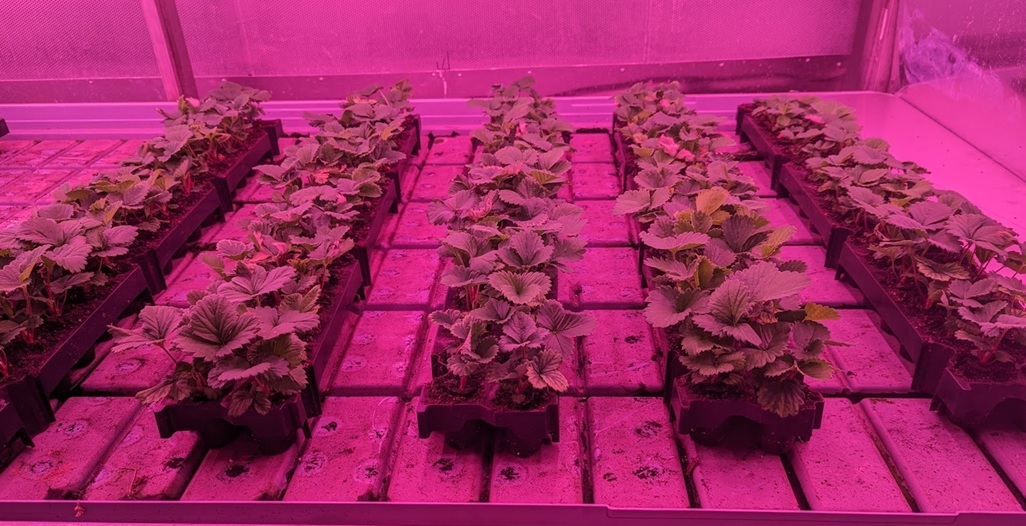
A proven opportunity in strawberry cultivation with indoor-grown generative young plants
Indoor strawberry young-plant production is moving from a promising concept to a proven opportunity. Recent trials with F1 hybrid varieties grown from seed in fully controlled facilities have shown faster development of young plants, a roughly 40% higher fruit yield in the greenhouse, harvesting two weeks earlier, and a clean, chemical-free starting point.
February 23, 2026
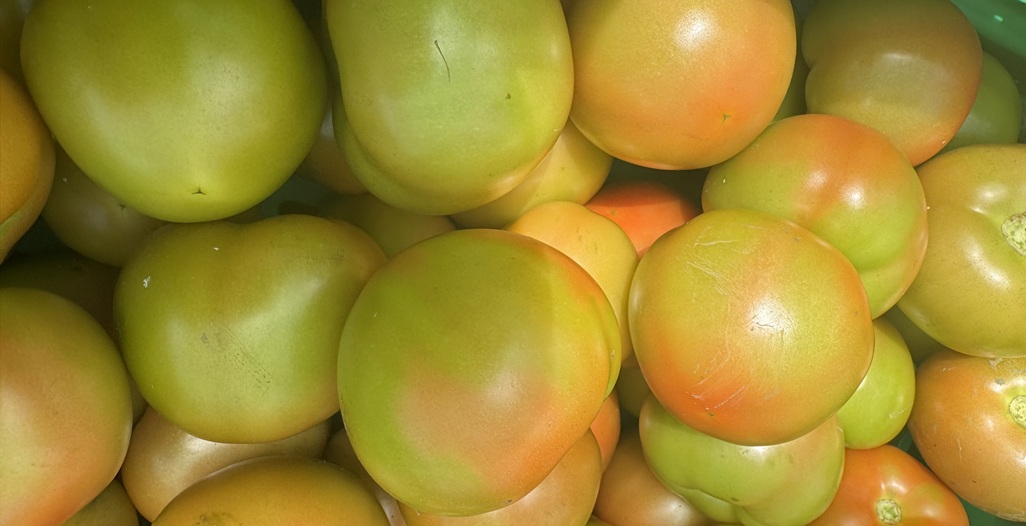
How blotchy ripening (green spots), a troublesome potential quality issue in this high-yielding variety, can be reduced by adjusting the nutrient balance – specifically the potassium and nitrogen ratios.
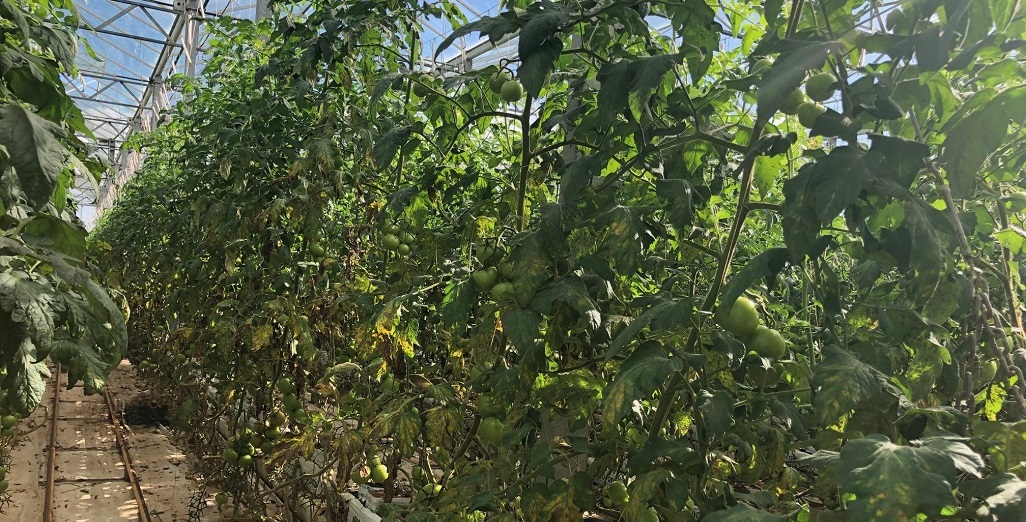
Low-heat, full-LED trial on track to achieve higher yields and better quality in larger truss tomatoes
February 23, 2026
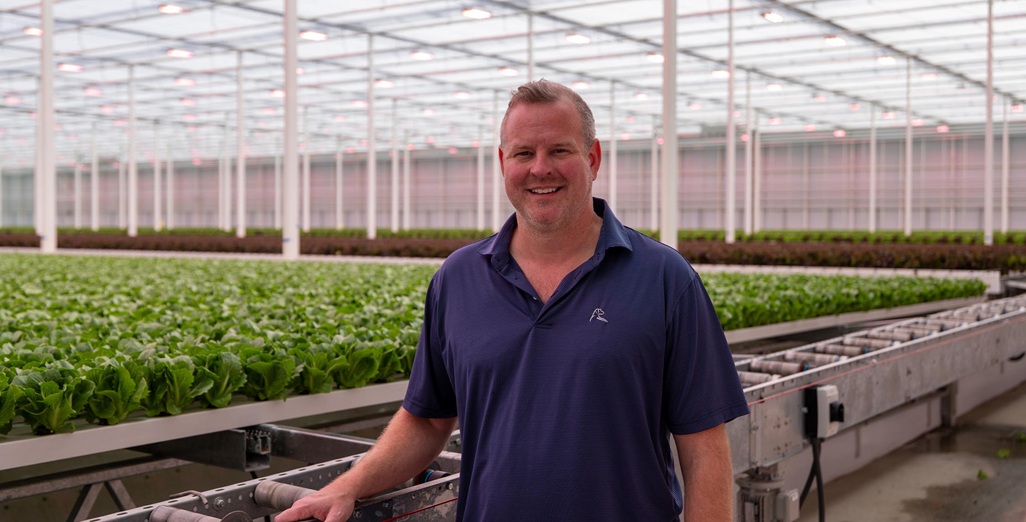
Leaf Mould (Cladosporium) plant samples required
Leaf mould continues to be a significant issue for many growers across the country, particularly given the weather conditions we have experienced over the summer.
February 10, 2026
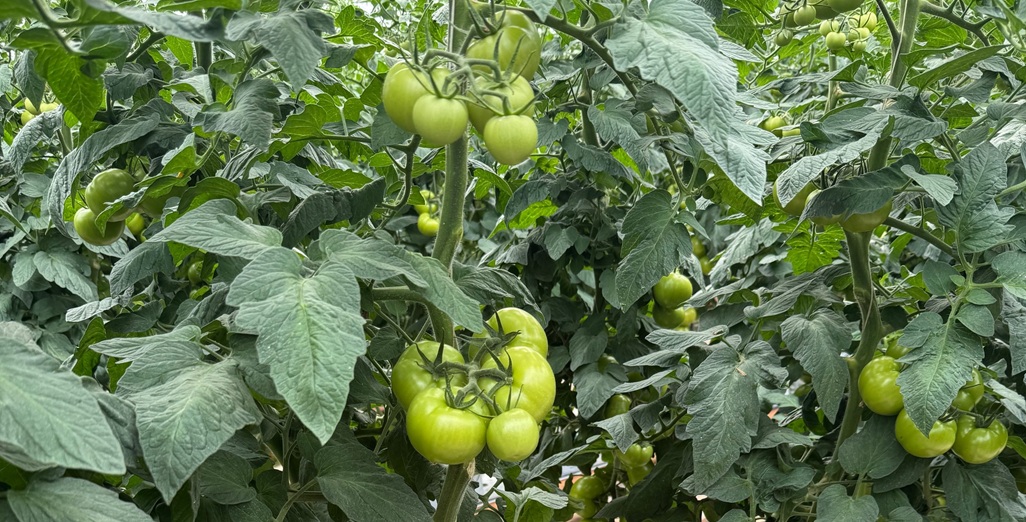
Equinox Growers improved crop quality and achieved consistent yield using Philips GreenPower LED toplighting force for leafy greens production
Signify (Euronext: LIGHT), the world leader in lighting, is proud to announce the outstanding success that Equinox Growers has achieved in their leafy greens production using Philips LED toplighting force.
January 27, 2026
Three research insights in preventing tip burn in a hybrid LED tomato crop
Research article: When transitioning from HPS lights to LEDs, the screen and heating strategies can rarely be directly copied from a previous HPS setup.
January 12, 2026
Successfully upgrading their HPS lighting across 45 hectares at six cultivation sites
Vreugdenhil-Klugt optimizes year-round plant production with Philips GreenPower LED and GrowWise control system
CLASSIFIED