
Sign up here to subscribe to the Grower2grower Ezine. Every two weeks you will receive new articles, specific to the protected cropping industry, informing you of industry news and events straight to your inbox.
16
Jul 2024
Jul 2024
Ground cover: woven weed mat or solid plastic… or both?

Choosing the right ground cover for your greenhouse indeed plays a crucial role in maintaining optimal conditions for your crops. The use of woven breathable plastic weed mat is a common practice among greenhouse growers in New Zealand.
By Stefan Vogrincic
The decision to use woven weed mat over solid plastic was likely influenced by the need for proper drainage. By allowing moisture to drain through while still providing a barrier against weeds. That does not mean it was the correct decision.
When my father built our family greenhouse, he strategically placed the greenhouse, elevated above the surrounding drainage level. This further enhances your control over moisture levels. The addition of a layer of sand on the clay, as we did in the 1990s, not only prevented clay discoloration, on the weed mat, but also contributed to keeping the greenhouse floor even drier.
What we recognized that a dry greenhouse with efficient water drainage translates to better humidity control and fewer challenges with diseases and pests. This insight underscores the importance of ground cover choices in greenhouse management, where every detail—from the type of flooring can influence the overall growing environment.
Dutch Greenhouses are generally set up with solid plastic rather than woven weed mat, therefore it is important to understand why.
Below is a breakdown of the differences and options between woven weed mat and solid plastic as ground cover in a greenhouse:
Woven Weed Mat:
Positives:
- Durability: Lasts for many years.
- Safety: Safe to walk on.
- Drainage: Can help drain excess water, depending on soil type.
Negatives:
- Cleanliness: Harder to clean and disinfect.
- Pest Permeability: Insects like thrips can burrow through.
- Moisture Control: May increase evapotranspiration, making humidity control more challenging in wet months.
Solid Plastic:
Positives:
- Moisture Control: Reduces moisture coming up from the ground.
- Pest and Bacteria Barrier: Reduces opportunity for insects and bacteria to come up.
- Maintenance: Easy to clean and fumigate.
Negatives:
- Slippery: Can be a safety hazard when wet.
- Durability: Prone to ripping and may require more frequent replacement.
- Drainage: May impede natural drainage if not installed properly.
Options and Considerations:
Single Layer Approach
- Woven Weed Mat: Suitable for its durability and natural drainage properties if soil permits.
- Solid Plastic: Ideal for moisture and pest control but requires careful consideration for safety and maintenance.
Combined Approach:
- Using solid plastic as a base layer and woven weed mat on top can combine the benefits.
- Solid plastic provides a barrier against pests and moisture.
- Woven weed mat adds durability, and may be easier to walk on.
General Considerations:
- Soil Contact: Minimizing contact with soil is crucial for cleanliness and pest management in a greenhouse setting.
- Drainage: Regardless of choice, ensuring good drainage is essential for plant health and greenhouse maintenance.
In conclusion, the choice between woven weed mat and solid plastic depends on factors such as durability, ease of maintenance, pest control needs, and moisture management. Combining both materials can leverage their respective strengths to optimize greenhouse conditions for plant growth and facility upkeep.
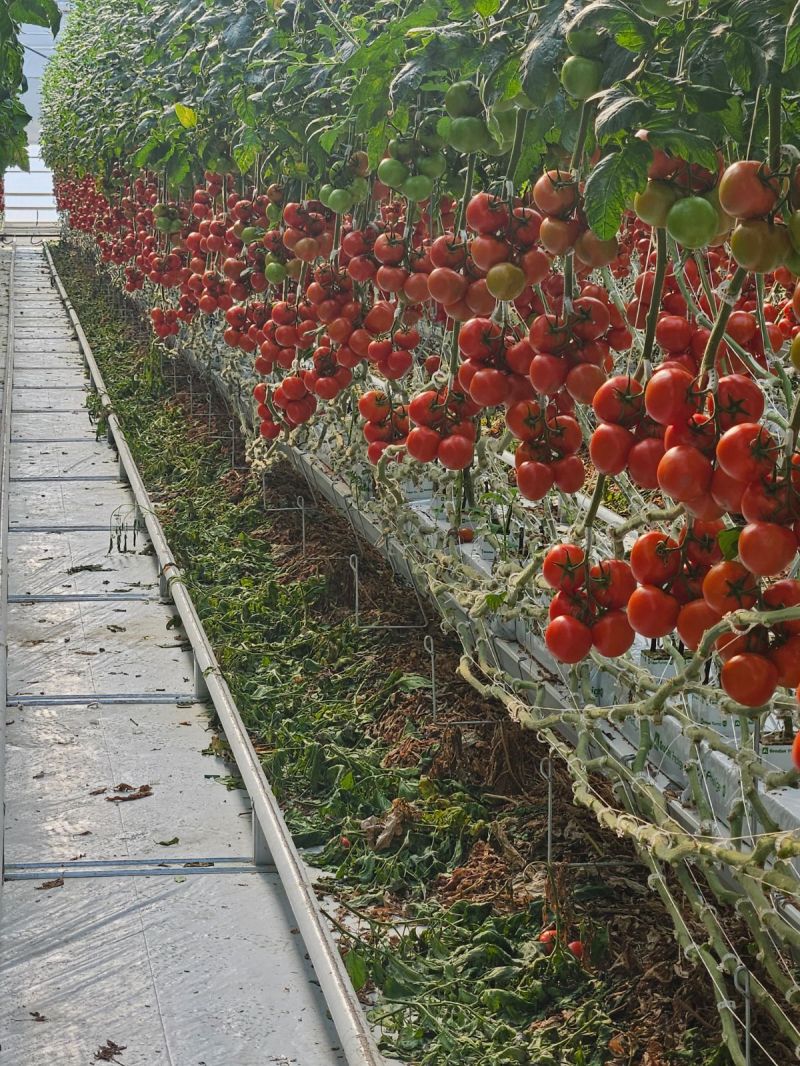
Above – Dutch property with solid plastic floor covering
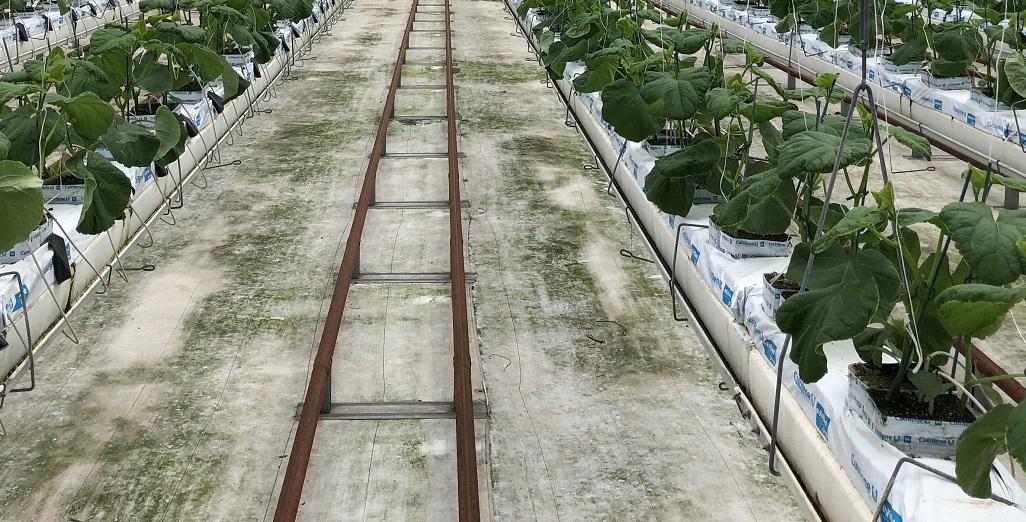
Growing is on hanging gutters yet still the woven weed mat has green algae growing on it, the floor is damp.

Above poor drainage leads to all manner of issues from fungal and bacteria. Roots will grow into drains if water pools as in this example, which is a problem.
A new cover looks good -for now, but it will only stay dry and clean if the drainage is perfect.
For more information on this article contact stefan@grower2grower.co.nz
Photo
Gallery







Subscribe to our E-Zine
More
From This Category
March 10, 2026
Where Does Fusarium Sit on Your Priority List?
When discussing crop health during technical strategy meetings, Fusarium often does not sit particularly high on the list of priorities.
February 23, 2026
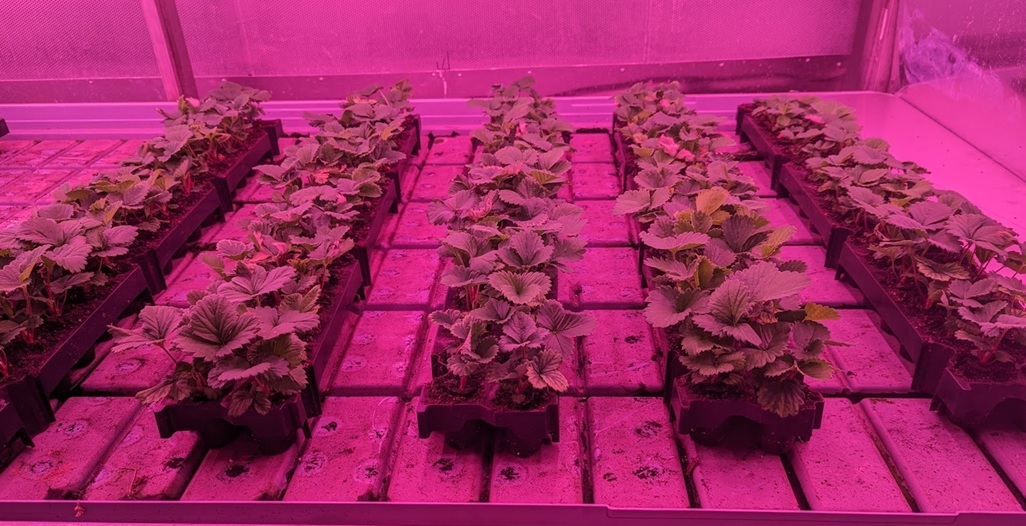
A proven opportunity in strawberry cultivation with indoor-grown generative young plants
Indoor strawberry young-plant production is moving from a promising concept to a proven opportunity. Recent trials with F1 hybrid varieties grown from seed in fully controlled facilities have shown faster development of young plants, a roughly 40% higher fruit yield in the greenhouse, harvesting two weeks earlier, and a clean, chemical-free starting point.
February 23, 2026
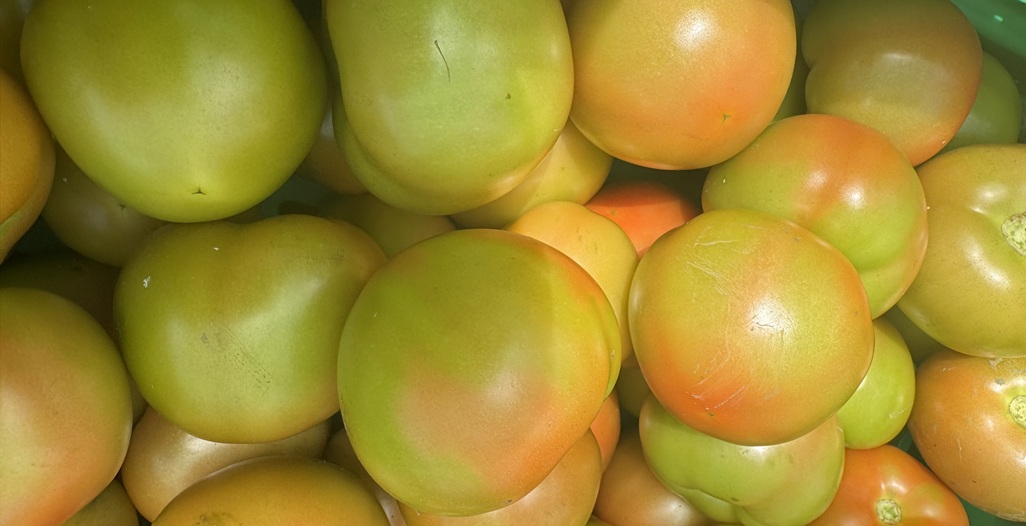
How blotchy ripening (green spots), a troublesome potential quality issue in this high-yielding variety, can be reduced by adjusting the nutrient balance – specifically the potassium and nitrogen ratios.
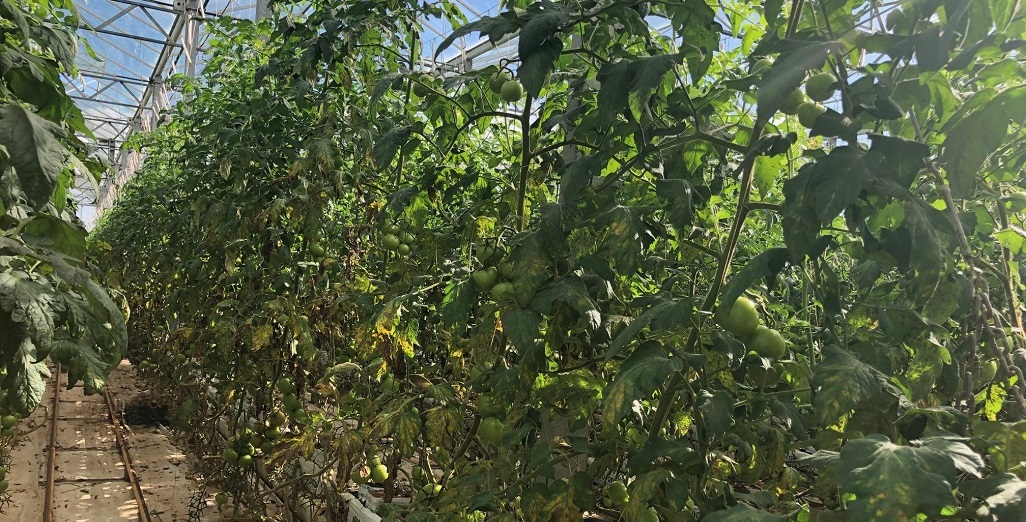
Low-heat, full-LED trial on track to achieve higher yields and better quality in larger truss tomatoes
February 23, 2026
Leaf Mould (Cladosporium) plant samples required
Leaf mould continues to be a significant issue for many growers across the country, particularly given the weather conditions we have experienced over the summer.
February 10, 2026
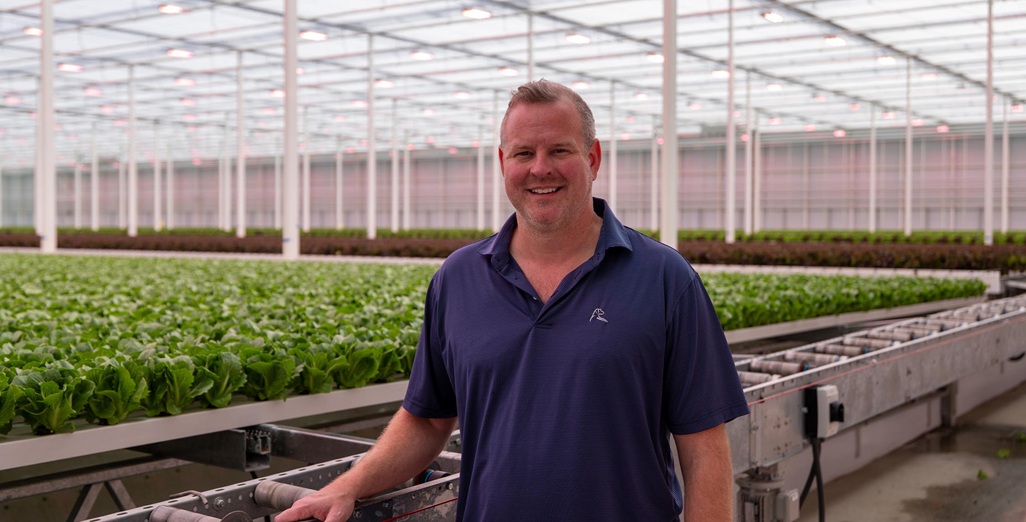
Equinox Growers improved crop quality and achieved consistent yield using Philips GreenPower LED toplighting force for leafy greens production
Signify (Euronext: LIGHT), the world leader in lighting, is proud to announce the outstanding success that Equinox Growers has achieved in their leafy greens production using Philips LED toplighting force.
January 27, 2026
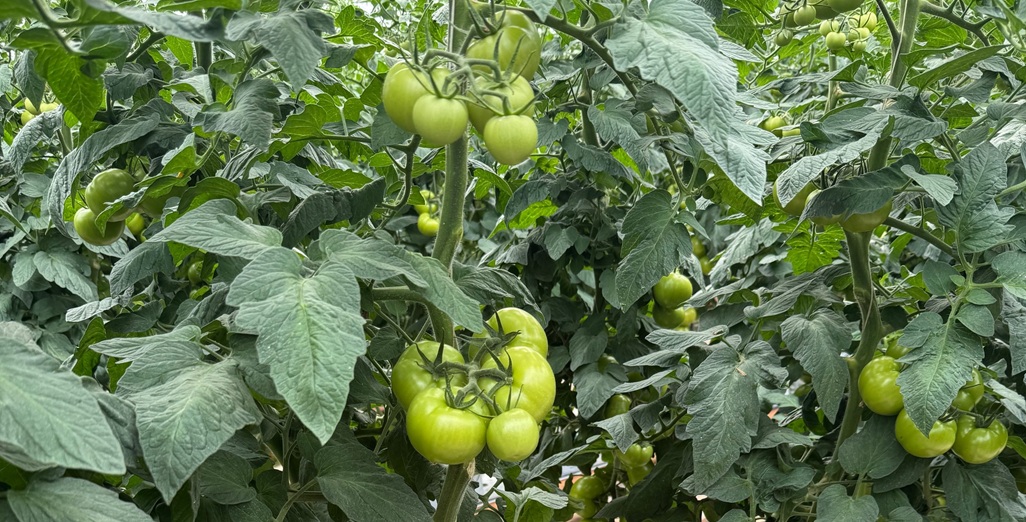
Three research insights in preventing tip burn in a hybrid LED tomato crop
Research article: When transitioning from HPS lights to LEDs, the screen and heating strategies can rarely be directly copied from a previous HPS setup.
CLASSIFIED