

Sign up here to subscribe to the Grower2grower Ezine. Every two weeks you will receive new articles, specific to the protected cropping industry, informing you of industry news and events straight to your inbox.
22
Oct 2019
Oct 2019
January day in October
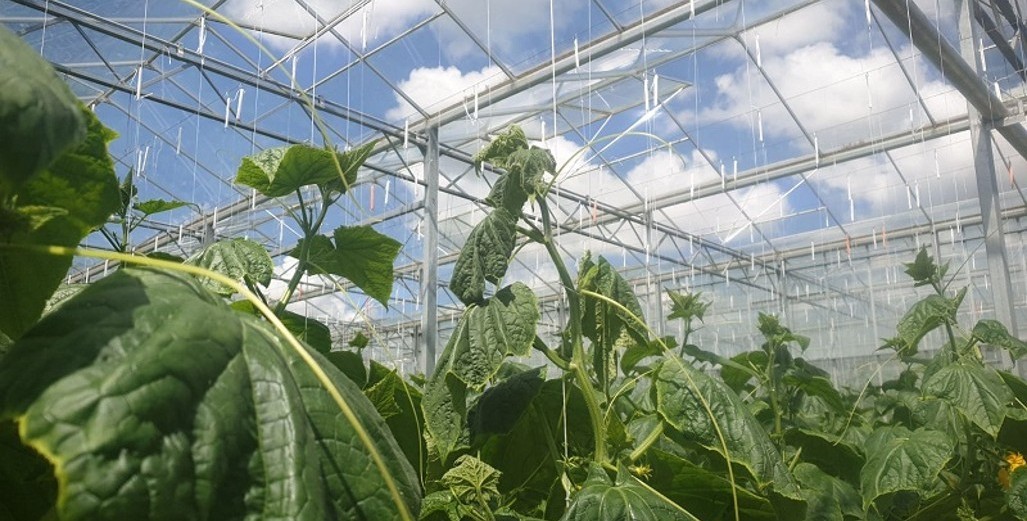
Plants struggle to adjust
After a few weeks of quite cool and what I describe as ‘soft’ weather the 9th of October was a complete contrast. It was unusually warm, with a strong, dry southerly breeze. Not only was the weather hot and windy but the outside humidity was low. On one environmental computer system, I oversee, there was over 2200 joules accumulated during the daylight period, almost double that of any other day for the past week or so. This was a January day in October.
Plants that are older, or even close to picking, will find it very hard to cope with this rapid change in the weather. I would liken this to a car going from 2nd to 5th gear up a hill. There are many reasons why the plant struggles to take up water in this situation. Making sure you use tools at your disposal to cope with an increased need for transpiration is important to restrict plant stress.
Trapping as much humidity in the greenhouse is a good start, even if this means sacrificing temperature. If I found myself in this situation, I would close my wind side vent to 0% and reduce my leeside. Restricting the air movement and ‘sucking’ of humidity out the greenhouse would be my goal. This may affect the C02 levels in your greenhouse, however, if your plants are in respiration or survival mode phase, my immediate concern is preventing more root and plant damage
Lowering your EC, for ease of uptake is also important, but you must make sure you do not overwater! If you overwater and have high runoff, even with a low EC you may be starving the substrate of oxygen compounding the issue. If you are absolutely desperate then get your sprayer out and spray some plain water directed to the vents. This may cause burning on the leaf but it will lift the humidity.
Growers who have the ability should consider using coatings supplied by ReduSystems, ReduFuse coating. ReduFuse is a coating that diffuses the light when it enters the greenhouse. Diffused light penetrates deeper into the crop and can improve production and quality, it will also make the lower leaves transpire more efficiently. I believe this product should be considered to reduce risk and increase production. https://www.redusystems.com/en/redusystems/diffusion/redufuse-en/
Other products growers should consider is spraying or drenching SiliFert-P which helps plants cope with natural resistance against biotic and abiotic stress.
New Zealand’s weather can be harsh, we may not have the super high temperatures but the ‘in and out’ weather makes our growing challenges unique. I always found October and November a real challenge, it’s almost like the weather creeps up on you and can bite you! Great to have the light, but you need to ready your crop for the sting it always provides.

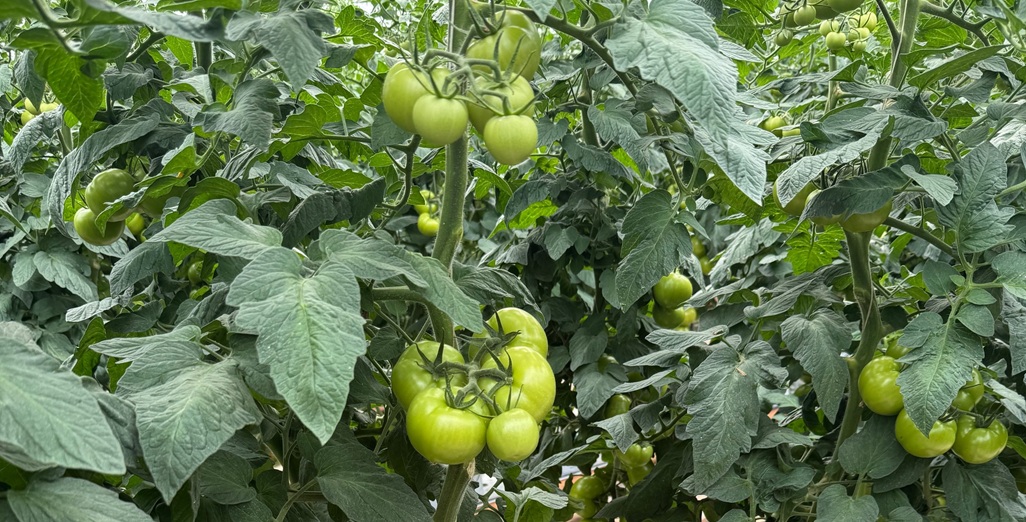
Cover photo of the day in question. These plants have made a recovery but there will be a small loss in production on the plants that were stressed like the one in shot.
I appreciate your comments. Please feel free to comment on the grower2grower Facebook page:
https://www.facebook.com/StefanGrower2grower/
Article Written by Stefan Vogrincic, Consultant, Grower2Grower
Article Edited by Marie Vogrincic, Editor, Grower2Grower
CLASSIFIED











Subscribe to our E-Zine
More
From This Category
February 23, 2026
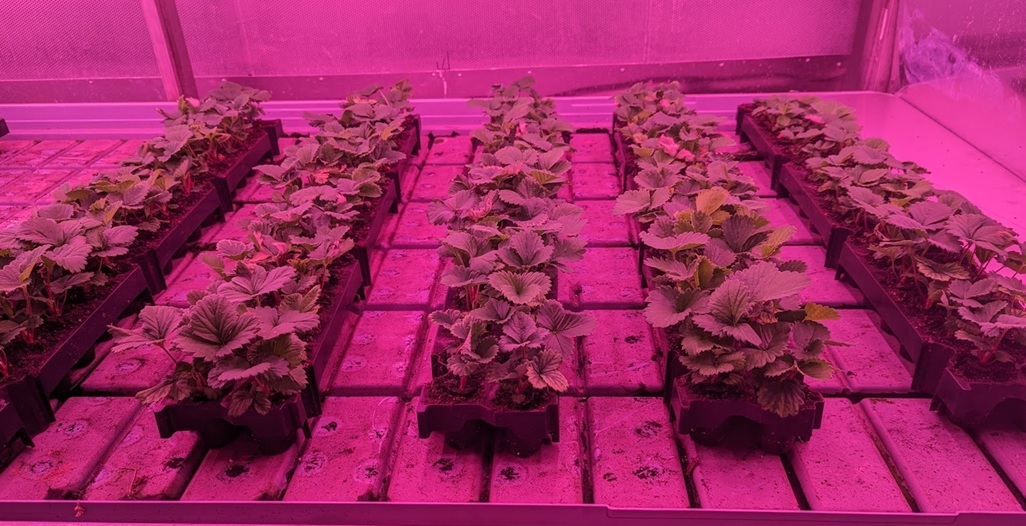
A proven opportunity in strawberry cultivation with indoor-grown generative young plants
Indoor strawberry young-plant production is moving from a promising concept to a proven opportunity. Recent trials with F1 hybrid varieties grown from seed in fully controlled facilities have shown faster development of young plants, a roughly 40% higher fruit yield in the greenhouse, harvesting two weeks earlier, and a clean, chemical-free starting point.
February 23, 2026
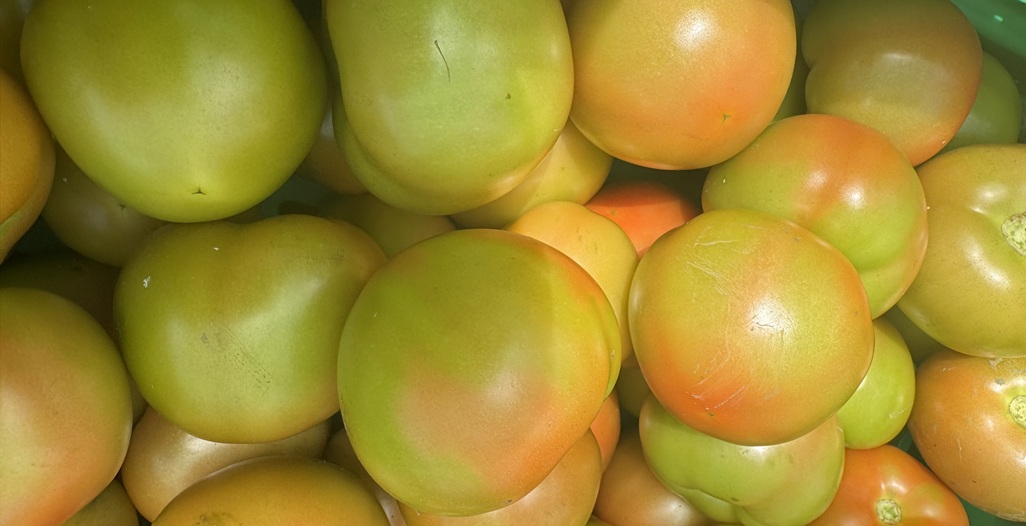
How blotchy ripening (green spots), a troublesome potential quality issue in this high-yielding variety, can be reduced by adjusting the nutrient balance – specifically the potassium and nitrogen ratios.
Low-heat, full-LED trial on track to achieve higher yields and better quality in larger truss tomatoes
February 23, 2026
Leaf Mould (Cladosporium) plant samples required
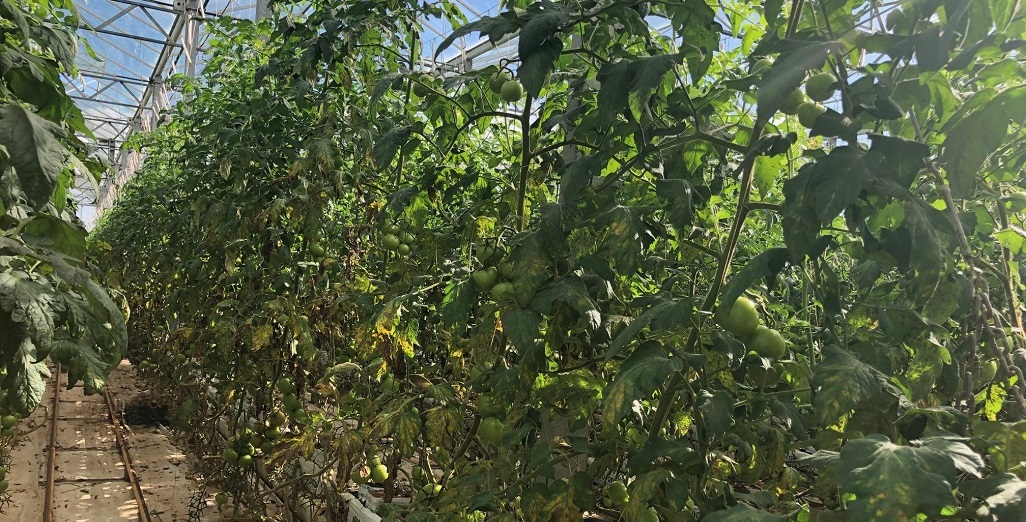
Leaf mould continues to be a significant issue for many growers across the country, particularly given the weather conditions we have experienced over the summer.
February 10, 2026
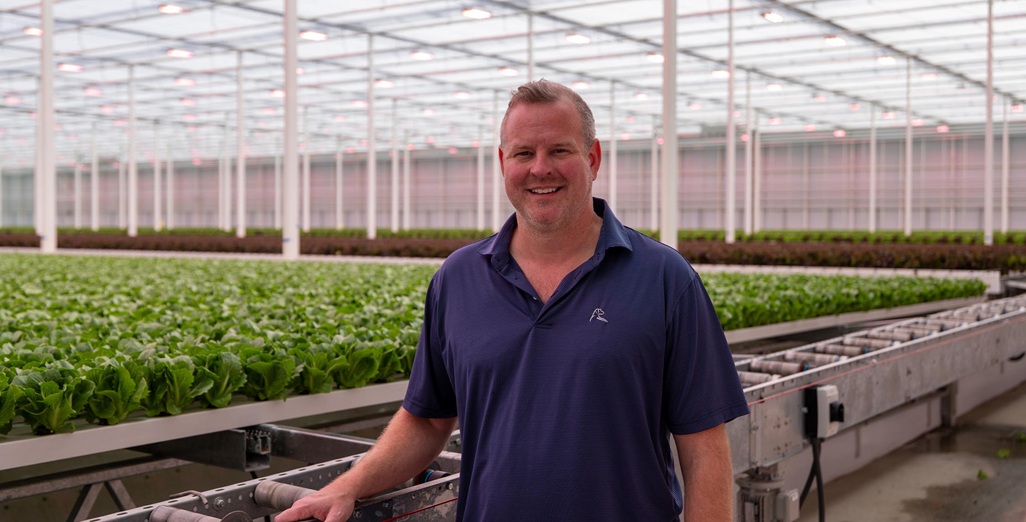
Equinox Growers improved crop quality and achieved consistent yield using Philips GreenPower LED toplighting force for leafy greens production
Signify (Euronext: LIGHT), the world leader in lighting, is proud to announce the outstanding success that Equinox Growers has achieved in their leafy greens production using Philips LED toplighting force.
January 27, 2026
Three research insights in preventing tip burn in a hybrid LED tomato crop
Research article: When transitioning from HPS lights to LEDs, the screen and heating strategies can rarely be directly copied from a previous HPS setup.
January 12, 2026
Successfully upgrading their HPS lighting across 45 hectares at six cultivation sites
Vreugdenhil-Klugt optimizes year-round plant production with Philips GreenPower LED and GrowWise control system
CLASSIFIED