

Sign up here to subscribe to the Grower2grower Ezine. Every two weeks you will receive new articles, specific to the protected cropping industry, informing you of industry news and events straight to your inbox.
15
Jan 2024
Jan 2024
New Grounds Energy Limited: Embracing Sustainability

Transitioning from Coal to Timber Biofuel Briquettes in Green Growing
In the heart of sustainable agriculture lies a crucial decision – the choice of energy. Many green growers are reevaluating their energy sources to reduce their environmental footprint. One significant step toward eco-friendly operations involves transitioning from traditional coal-fired boilers to cleaner alternatives, such as timber biofuel briquettes. This shift not only aligns with the global push for renewable energy but also offers numerous benefits for both the environment and the growers themselves.
Who are we?
New Grounds Energy is a Waikato-based company that repurposes wood waste into a compressed briquette, offering a cleaner, efficient alternative to traditional fuels. New Grounds Energy (“NGE”) is actively seeking partnerships in the horticultural industry to help with the transition from fossil fuels. Our mission is simple yet impactful – to assist green growers in moving away from fossil fuels like coal and natural gas, and towards a more sustainable, eco-friendly future.
The Power of Wood Waste Briquettes
Our briquettes are not just a fuel; they are a testament to innovative recycling. By compressing discarded wood waste, we turn what would have been landfill fodder into high-efficiency, clean-burning briquettes. This process not only reduces waste but also ensures that every ounce of natural resource is utilized to its fullest potential.
- Energy vs. emissions profile of energy sources: when comparing the GHG of different energy sources, it is essential to consider the entire lifecycle of the energy source, not just its emissions at the point of combustion. Industry research published by SCION indicates that average lifecycle emissions of wood biofuels are significantly lower than fossil fuels (2 kg CO2e per GJ), compared to c.100 and 54 CO2e per GJ for coal and gas, respectively (SCION, 2021).
- It’s also important to consider the other side of the equation, i.e., GJ per tonne for each fuel source. NGE wood-based briquettes tested at between 18-20 GJs per tonne. When compared to the energy output of low-grade, sub-bituminous coal (20-25 Gj per tonne), the emission profile of wood-based briquettes on a 1:1 energy basis is closer to 3.2 CO2e per GJ, still a mere fraction of the emission profile of coal and gas. Using this information, a transition from coal to NGE wood briquettes may represent a 97% reduction in GHG emissions per GJ of energy. The relatively high energy density of NGE’s wood briquettes also makes transitioning from a coal boiler to a wood-based boiler relatively easy compared to other, less efficient types of bioenergy, such as wood chip.
- Green Certification: Transitioning from coal to biofuels not only improves environmental sustainability but also enhances marketability and brand image. In an era where consumers prioritize eco-friendly practices, adopting biofuels signals a commitment to environmental responsibility. Moreover, the move to biofuels can attract institutional buyers, such as retailers and food service providers, who prioritize sustainability in their supply chain. By aligning with the sustainability goals of these buyers, green growers can open new business opportunities and partnerships, further strengthening their competitive advantage in the market.
Contact Us Today
Contact: Dominic Wilshier
By email: dominic.wilshier@newgroundsenergy.co.nz
By phone: 027 327 0757
Ready to make the switch? Contact us today to learn more about how our compressed recycled wood waste briquettes can revolutionize your energy consumption and help you contribute to a greener, more sustainable world.
CLASSIFIED


















Photo
Gallery




Subscribe to our E-Zine
More
From This Category
August 25, 2026
Why Are Growers Not Using the Geothermal Calculator?
A free tool has been developed specifically for New Zealand’s covered crop industry – so why aren't more growers using it?
August 11, 2026
CO₂ Capture for Greenhouses Without Liquefaction —
How Galloxol® Changes the Economics
July 14, 2026
More air movement, fewer gaps, more energy savings
"The major challenge in the energy transition is to continue growing healthy and vital crops with less energy"
June 1, 2026
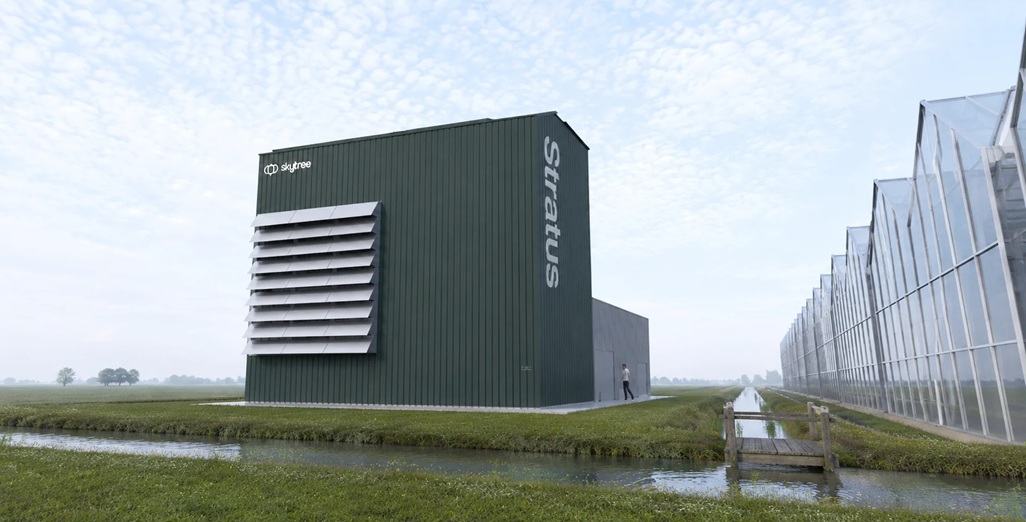
A major milestone has been reached in Direct Air Capture and agriculture
Strategic alliance will establish a decentralized, fossil-free CO₂ supply for a vital greenhouse cluster in the Netherlands that spans 80 hectares

June 1, 2026
Phormium launches a new ultra-transparent energy screen: Diamond
The leading Belgian climate screen manufacturer Phormium announces the introduction of a brand-new revolutionary energy screen:
June 1, 2026
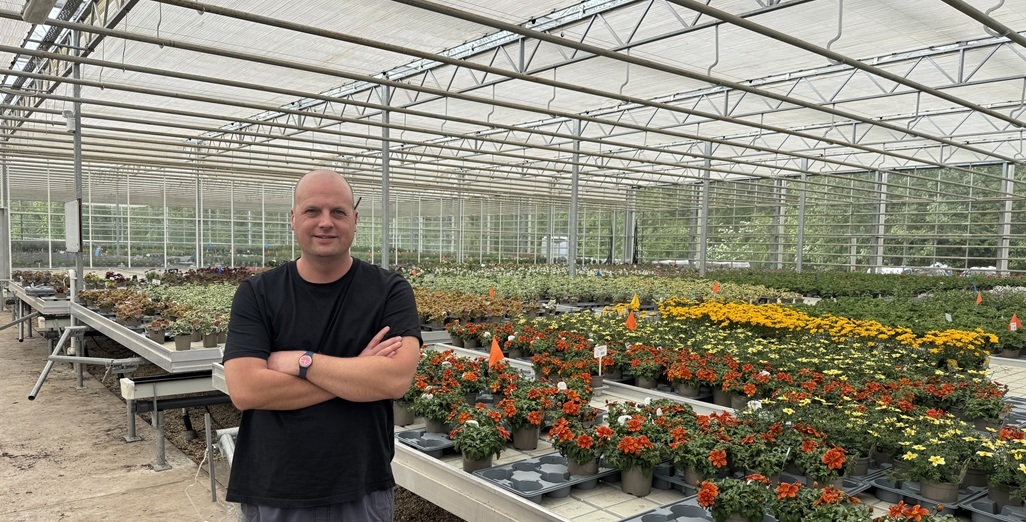
Ground-Source Heating: Lessons from a Leading UK Greenhouse Operation
An in-depth look at the ground-source heat pump system heating Stewarts Garden Centre in England and the opportunities this technology may offer commercial greenhouse growers in New Zealand.
CLASSIFIED