

Sign up here to subscribe to the Grower2grower Ezine. Every two weeks you will receive new articles, specific to the protected cropping industry, informing you of industry news and events straight to your inbox.
1
Feb 2018
Feb 2018
Plant Maintenance Procedures

Plant Maintenance Procedures
This article describes techniques used for crop maintenance on Tomatoes and Cucumbers.
Tomatoes
CLIPPING OR TWISTING:
I estimate a 50/50 split between growers twisting plants up the string or clipping.Certain varieties dictate which procedure growers use.Plants that grow upright are easier to twist compared to plants growing away from the string.Plant vigour is a reason why growers sometimes use both techniques.The trick to twisting plants is to not over twist but not to leave bows.When clipping make sure not to put the clip directly above the truss.As a guideclip underneath the first leaf below each truss.Sometimes you have to add extra clips between the trusses because of potential bowing.
DROPPING/LAYERING:
How much you drop the plant depends on your cycle.Seven day cycles between twisting/clipping and dropping should be the target, in reality the average would be 7-9 days.The amount you drop the plant will vary from week to week, my preference is to lower to roughly the same level each time. It is very important when staff are layering they try to evenly space the heads so each plant can capture the same amount of light. Remember to check crop wires are also spaced correctly as this is important.
DE-LEAFING:
Breaking leaves is common. If they do not break cleanly scars and stubs may be left behind which create a pathway for disease.
Cutting leaves, with a knife, is now very common.I prefer this method as you have a nice clean wound every time. My advice is to sterilize your knife every 5-10 plants.If you are using a knife it doesn’t matter if you cut the strings as the clips further up the plant will stop the plant from falling.
TRUSS SUPPORTING AND TRUSS PRUNING:
Keeping this as a separate job can be very useful.The attention to detail is far better.If you grow a variety that requires a specific number of fruit per truss then I recommend this option.
TRUSS REMOVAL:
Ripping or cutting trusses are the two options.Ripping can leave a huge scar.Cutting is easier, but if you don’t cut the truss close to the stem, you could leave small stubs which will be another potential entry point for disease.If you harvest truss tomatoes sterilize cutters between every plant.Especially if you have varieties susceptible to bacterial canker.
Cucumbers
TWISTING:
It is very important to do a tight twist on cucumber plants.If there are too many bows your plant could slip down the string when the fruit is becoming mature, which could break the stem.Having the opportunity to twist twice a week is important.Cucumbers grow rapidly; if you do not twist regularly more damage, in the form of broken heads, may occur.Managing the labour with cucumber crops is very important.
UMBRELLA SYSTEM:
Terminating the head of the plant at the top of the wire then growing two laterals back to the ground is common.At certain times of the year, some varieties do not grow two strong laterals.If the plant is in balance, and you have thinned correctly, you have the option of growing the main head back down – leaving a side shoot from a node close to the wire to grow down also.
Layering cucumbers is also an option which not all growers consider.It can be done very successfully.It could also give you the option of taking laterals earlier and growing with more stems per m2 for a longer period of time.
These are systems I am all extremelley familar and experienced with. Please contact Grower2Grower via the commercial grower section for advice tailored for your situation. Terms and conditions apply.
Technical aritcle written by Stefan Vogrincic Grower2Grower
CLASSIFIED











Subscribe to our E-Zine
More
From This Category
February 23, 2026
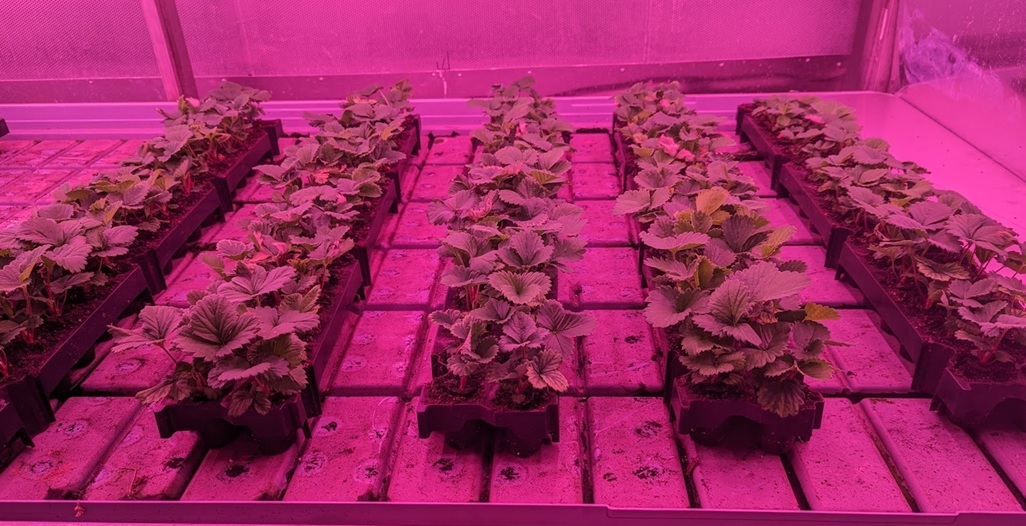
A proven opportunity in strawberry cultivation with indoor-grown generative young plants
Indoor strawberry young-plant production is moving from a promising concept to a proven opportunity. Recent trials with F1 hybrid varieties grown from seed in fully controlled facilities have shown faster development of young plants, a roughly 40% higher fruit yield in the greenhouse, harvesting two weeks earlier, and a clean, chemical-free starting point.
February 23, 2026
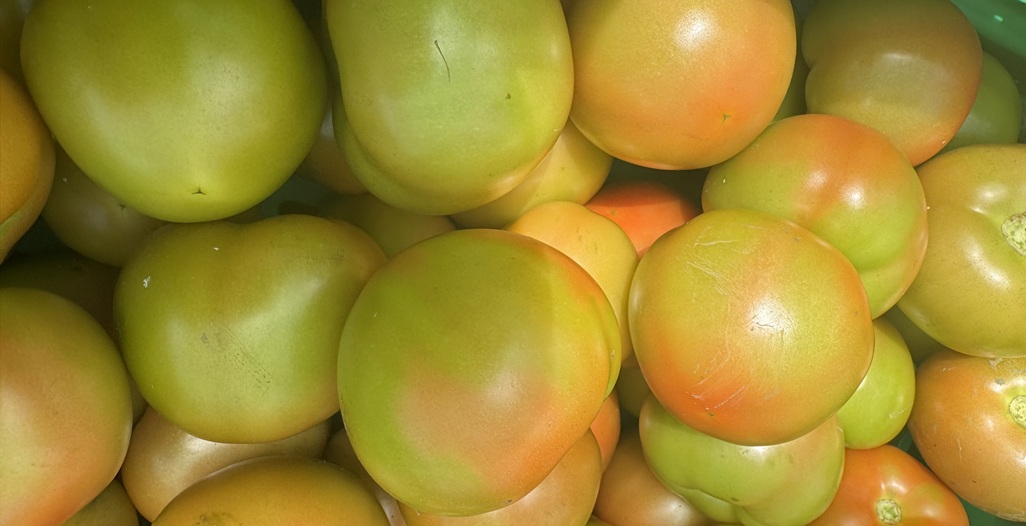
How blotchy ripening (green spots), a troublesome potential quality issue in this high-yielding variety, can be reduced by adjusting the nutrient balance – specifically the potassium and nitrogen ratios.
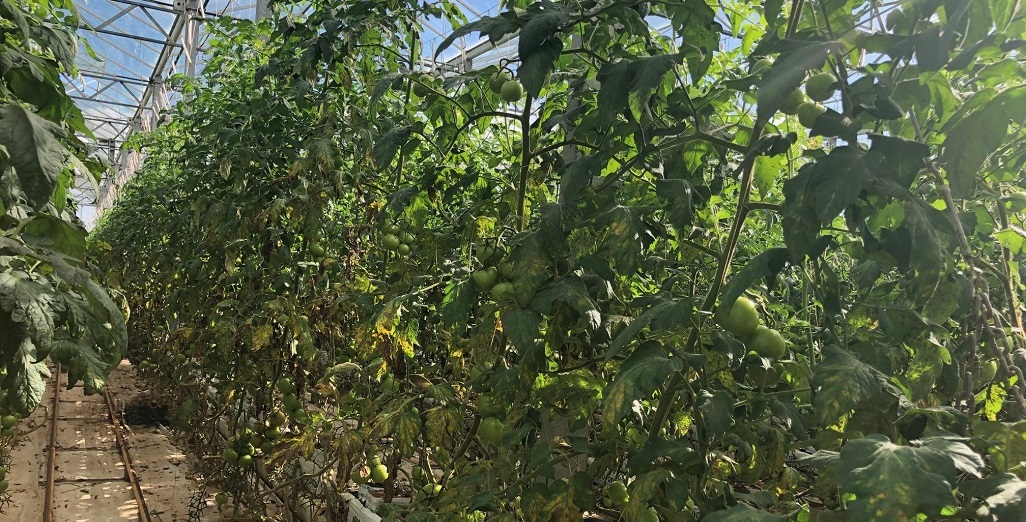
Low-heat, full-LED trial on track to achieve higher yields and better quality in larger truss tomatoes
February 23, 2026
Leaf Mould (Cladosporium) plant samples required
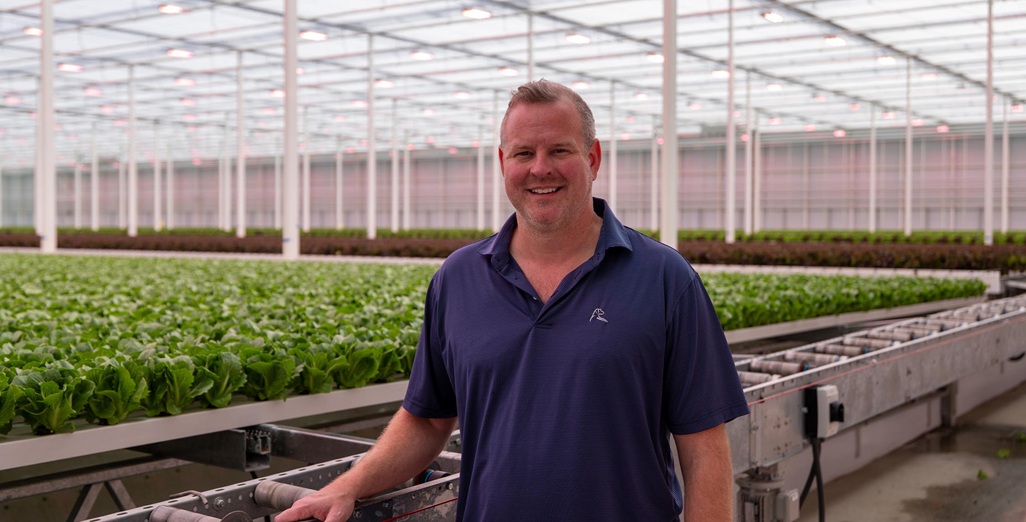
Leaf mould continues to be a significant issue for many growers across the country, particularly given the weather conditions we have experienced over the summer.
February 10, 2026
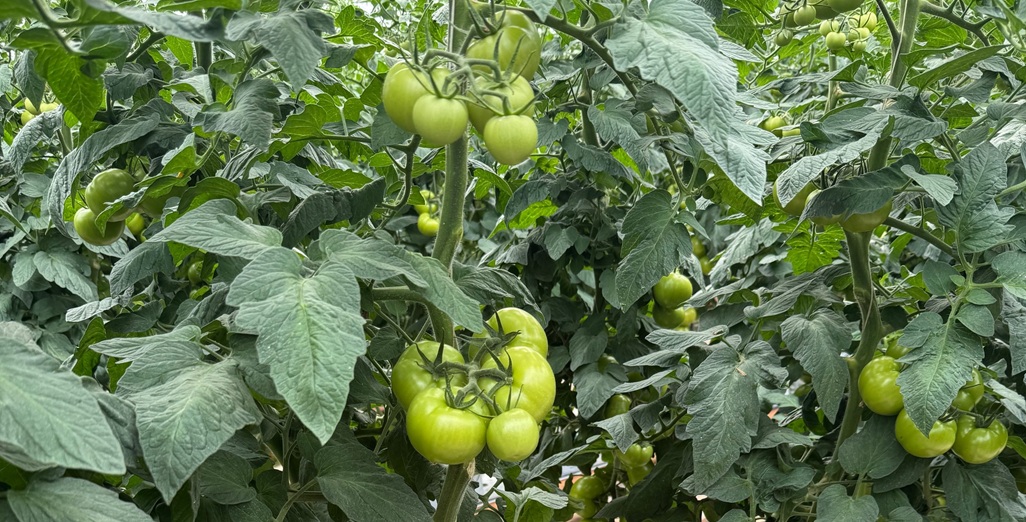
Equinox Growers improved crop quality and achieved consistent yield using Philips GreenPower LED toplighting force for leafy greens production
Signify (Euronext: LIGHT), the world leader in lighting, is proud to announce the outstanding success that Equinox Growers has achieved in their leafy greens production using Philips LED toplighting force.
January 27, 2026
Three research insights in preventing tip burn in a hybrid LED tomato crop
Research article: When transitioning from HPS lights to LEDs, the screen and heating strategies can rarely be directly copied from a previous HPS setup.
January 12, 2026
Successfully upgrading their HPS lighting across 45 hectares at six cultivation sites
Vreugdenhil-Klugt optimizes year-round plant production with Philips GreenPower LED and GrowWise control system
CLASSIFIED