

Sign up here to subscribe to the Grower2grower Ezine. Every two weeks you will receive new articles, specific to the protected cropping industry, informing you of industry news and events straight to your inbox.
30
Aug 2022
Aug 2022
Pythium and Didymella causing you issues?
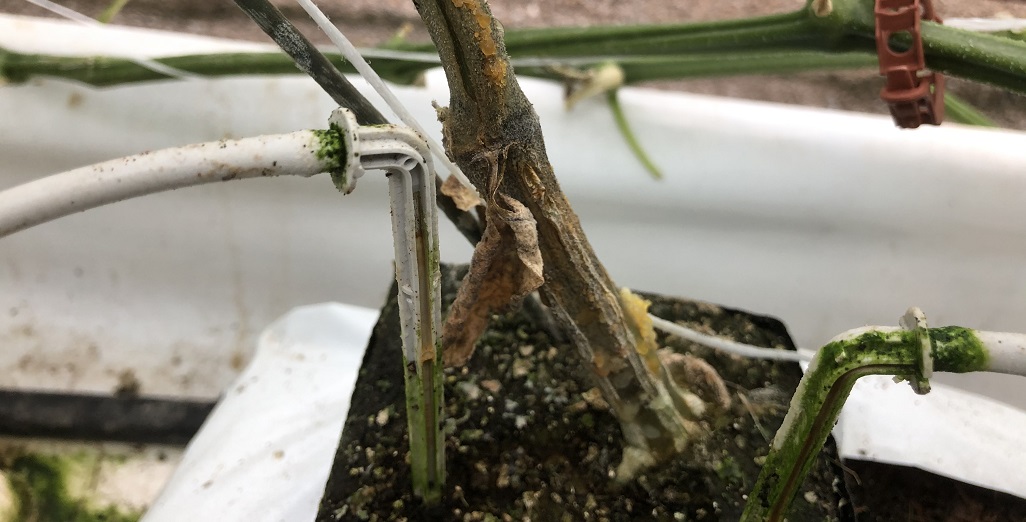
Increased monitoring required to reduce production losses
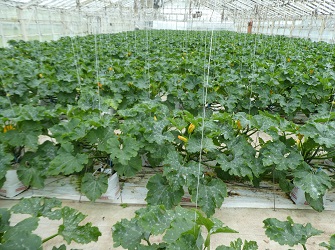
Throughout August I was not overly surprised by the amount of Pythium, Didymella and abortion on cucumbers crops I saw on plants. The weather, up until this week, has been challenging to say the least. Growers were spoilt with fantastic weather during May and June, but July and August were terrible.
From my observations some technical growing ‘missed opportunities’ are factors to current production losses; it is too simple to place all the blame on the weather. It is obvious the growers that invest in equipment, such as sensors, are having less issues.
My observations:
- Managing water content – water content sensors or scales play a huge role in making sure you Do NOT overwater. Overwatering is sure to exacerbate a multitude of issues.
- Crop loading and temperatures – you should not have high fruit loads with terrible light levels and not expect abortion or other plant health issues to arise.
- Heating –I don’t think this year it has been a case of heating too much, it’s more likely not enough due to high energy costs. This has been very evident in the supply of both tomatoes and cucumbers.
- Currently cucumbers are expensive – so was it worth not heating correctly and how much disease resulted from this?
- A shortage of labour – how has this effected keeping up with crop work? This will lead to less-than-ideal leaf removal and therefore an increase in fungal pressure.
- Are you combining sprays to save on time? I have seen damage from this.
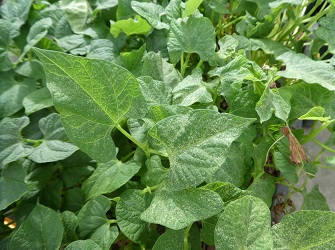
- Have you identified cupping on the leaf as an issue – is this a variety issue caused by low light or a specific lack of certain trace elements? If you don’t test you will only be speculating.
Below are links to previous articles written about cucumber issues identified previously. There is a link to an article regarding Edema – it explains my last point above. The spring and summer will mask issues, but the winter will not be your friend. Keep this in mind for next year.
I understand, this year like no other, growers are under pressure and have a multitude of issues to deal with. Labour shortages are an issue for many industries. My local veterinary clinic is now closed on Fridays due to a lack of vets! Hopefully by identifying current ‘growing’ issues this will reduce the effects of disease and production loss in future seasons.

https://www.grower2grower.co.nz/cucumbers-didymella-on-the-rise/

I have seen this cupping/leaf distortion again this year. It may be winter/low light or the variety. However, I have not seen it in this variety before – could it be Edema? Too much or not enough trace elements?
Edema in cucumbers – https://www.greenhousecanada.com/dealing-with-edema-30210/#:~:text=Edema%20(or%20odema)%20is%20a,more%20common%20in%20winter%20crops.&text=Take%20a%20close%20look%20for,you’re%20in%20the%20crop.
Article written and compiled by Stefan Vogrincic
All Article’s checked and edited by Marie Vogrincic
I appreciate your comments. Please feel free to comment on the grower2grower Facebook page:
CLASSIFIED















Photo
Gallery




Subscribe to our E-Zine
More
From This Category
March 10, 2026
Where Does Fusarium Sit on Your Priority List?
When discussing crop health during technical strategy meetings, Fusarium often does not sit particularly high on the list of priorities.
February 23, 2026
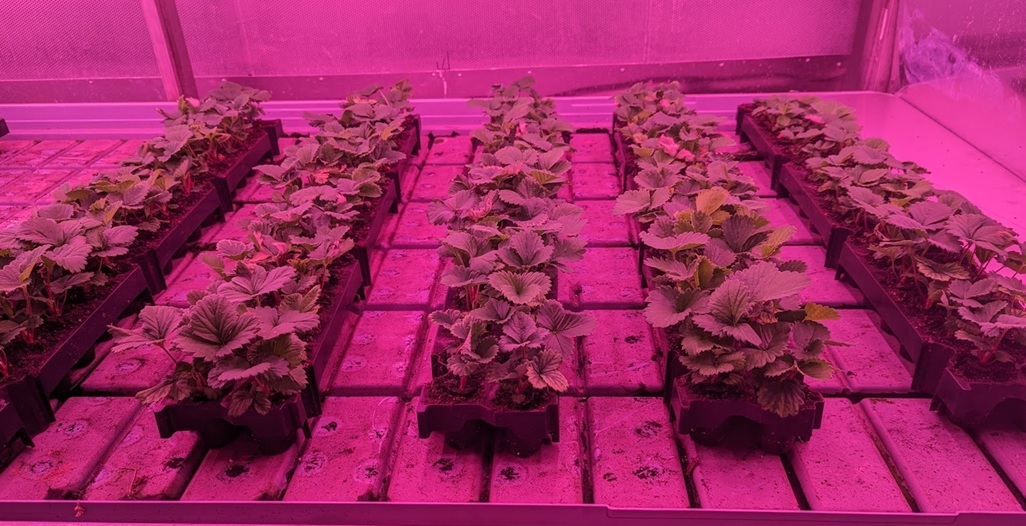
A proven opportunity in strawberry cultivation with indoor-grown generative young plants
Indoor strawberry young-plant production is moving from a promising concept to a proven opportunity. Recent trials with F1 hybrid varieties grown from seed in fully controlled facilities have shown faster development of young plants, a roughly 40% higher fruit yield in the greenhouse, harvesting two weeks earlier, and a clean, chemical-free starting point.
February 23, 2026
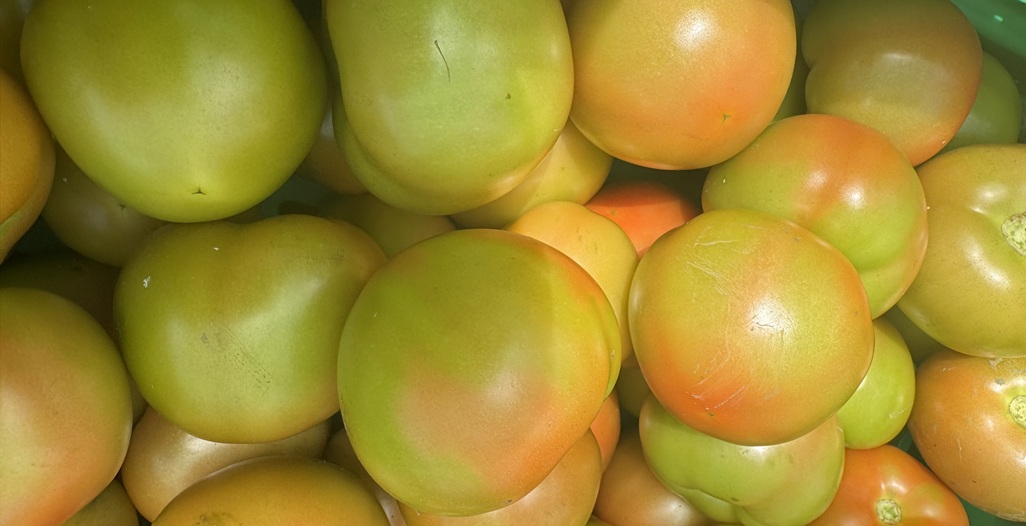
How blotchy ripening (green spots), a troublesome potential quality issue in this high-yielding variety, can be reduced by adjusting the nutrient balance – specifically the potassium and nitrogen ratios.
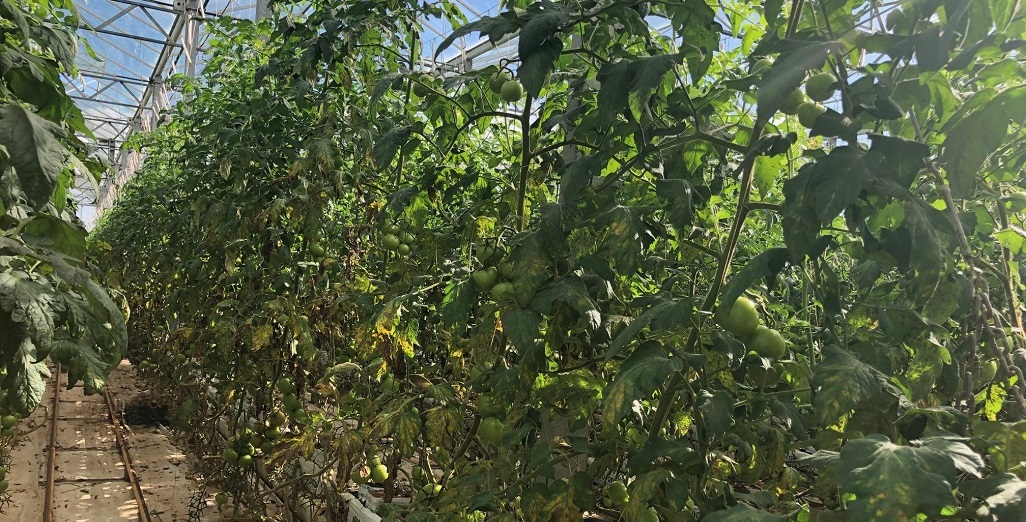
Low-heat, full-LED trial on track to achieve higher yields and better quality in larger truss tomatoes
February 23, 2026
Leaf Mould (Cladosporium) plant samples required
Leaf mould continues to be a significant issue for many growers across the country, particularly given the weather conditions we have experienced over the summer.
February 10, 2026
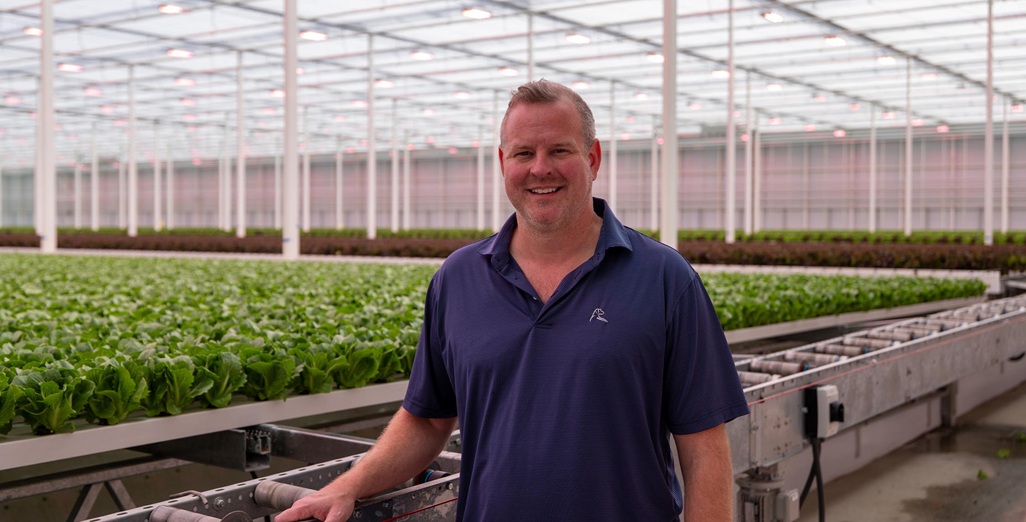
Equinox Growers improved crop quality and achieved consistent yield using Philips GreenPower LED toplighting force for leafy greens production
Signify (Euronext: LIGHT), the world leader in lighting, is proud to announce the outstanding success that Equinox Growers has achieved in their leafy greens production using Philips LED toplighting force.
January 27, 2026
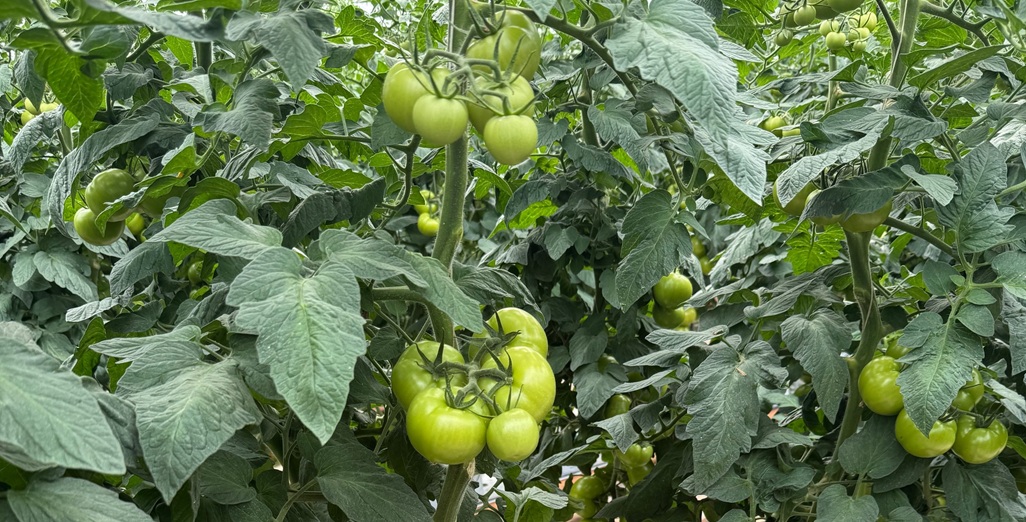
Three research insights in preventing tip burn in a hybrid LED tomato crop
Research article: When transitioning from HPS lights to LEDs, the screen and heating strategies can rarely be directly copied from a previous HPS setup.
CLASSIFIED