

Sign up here to subscribe to the Grower2grower Ezine. Every two weeks you will receive new articles, specific to the protected cropping industry, informing you of industry news and events straight to your inbox.
26
Apr 2022
Apr 2022
Tips for Spraying in Autumn
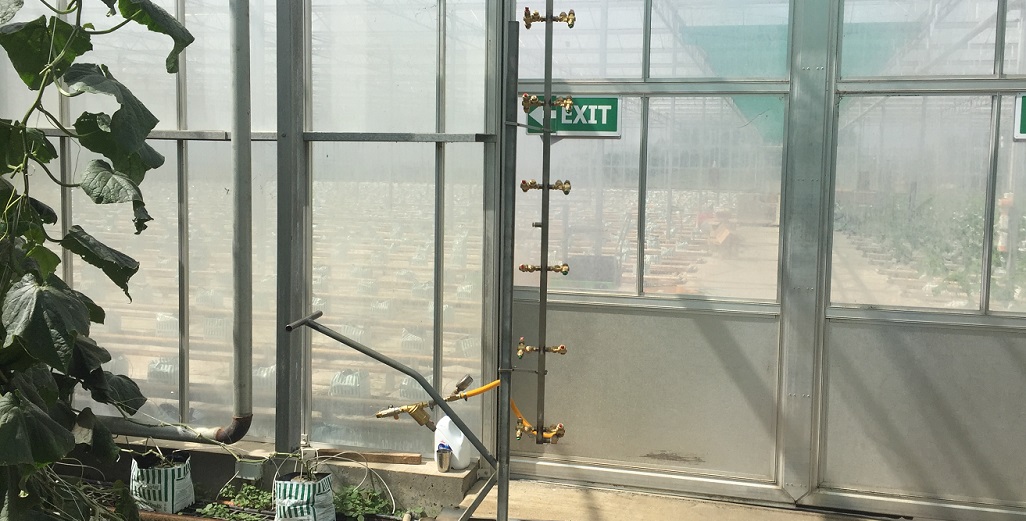
Prevent now to reduce future loss
For twenty years there were two jobs I really did not look forward to, cleaning the heating system and spraying. Spraying is the necessary evil to ensure we produce to the maximum potential and keep insects and fungus’s at bay. Even organic growers have a need to spray. I worked within a large organic greenhouse in England that sprayed organic pyre-thrums to control a beneficial insect Macrolophus when its population balance was out of kilter. Once the Macrolophus ran out of white-fly to feast upon, they started to eat the flowers of the plants. So, no matter what or how you are growing there is a need to spray.
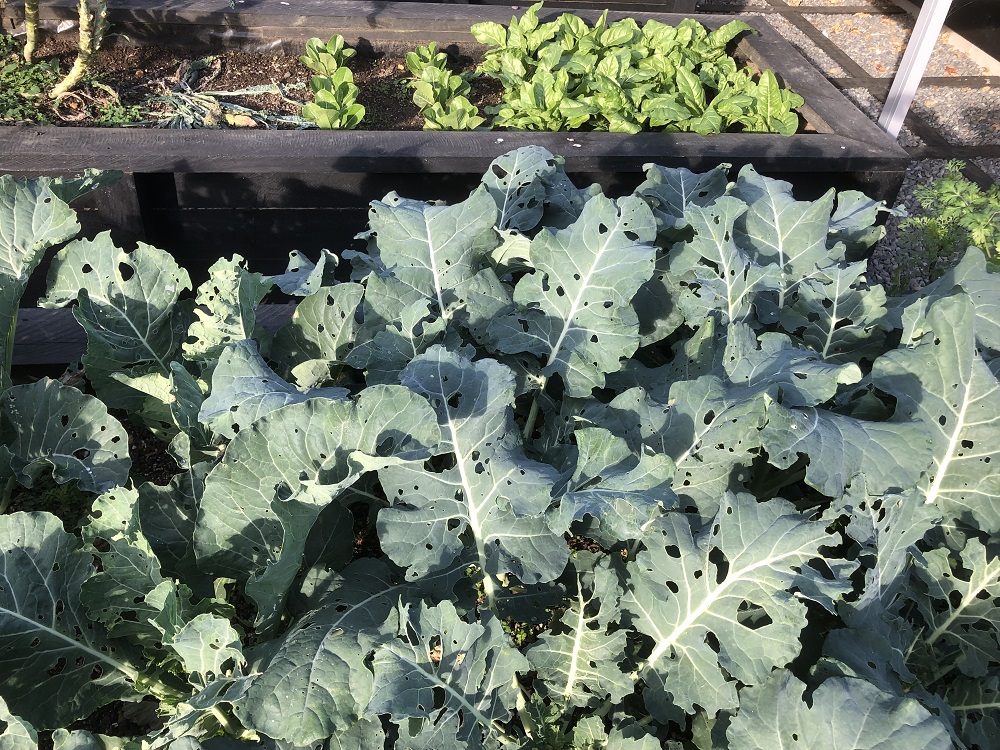
Even home gardeners need to spray, or insects can really take over. A current example in my garden with my cauliflower and broccoli that is being attacked by caterpillars at the moment. (see image below!!)
I have always favoured IPM programs , I remember spending hours per week hanging out cards with Encarsia eggs to help combat white-fly. There was a higher cost to this method, than spraying chemicals, but it was better than the alternative.
Late Autumn crops will become increasingly vulnerable to fungal pressure. It has been hard for growers, over the past two weeks, as there have been three public holidays, the staff shortages, due to covid, and all the other day to day pressures currently consuming their time. One task that may be delayed for a week is spraying, especially if you don’t have the time but it is essential to help reduce crop losses or reduction in production that you keep up with regular preventative treatments. It is paramount, as energy cost are rising growers find it necessary to only provide minimal heating inputs (controlling high humidity) that your preventative spray programs are maintained.
I do keep reiterating the point as it is incredibly important to either heat effectively or spray to prevent plant health issues. If you don’t heat effectively then you need to spray on time. Re-entry times for various products are currently under review, this is also going to potentially surprise growers and make it harder to apply certain trusted and tried products. Growers will either start investigating if they can get alternative biological products or control their environments better.
The best thing you can do as a grower is make sure you follow application rates and mixing rates accurately. Ensure you have discussed with your supplier the PH requirements of the water and if spreaders can be added to assist the effectiveness of the products. Just like your boiler your sprayers need servicing, the pumps, the filters, and the nozzles. If you are not covering the target correctly then you can’t expect optimal results.
Article written and compiled by Stefan Vogrincic
All Article’s checked and edited by Marie Vogrincic
I appreciate your comments. Please feel free to comment on the grower2grower Facebook page:
CLASSIFIED

















Photo
Gallery



Subscribe to our E-Zine
More
From This Category
February 23, 2026
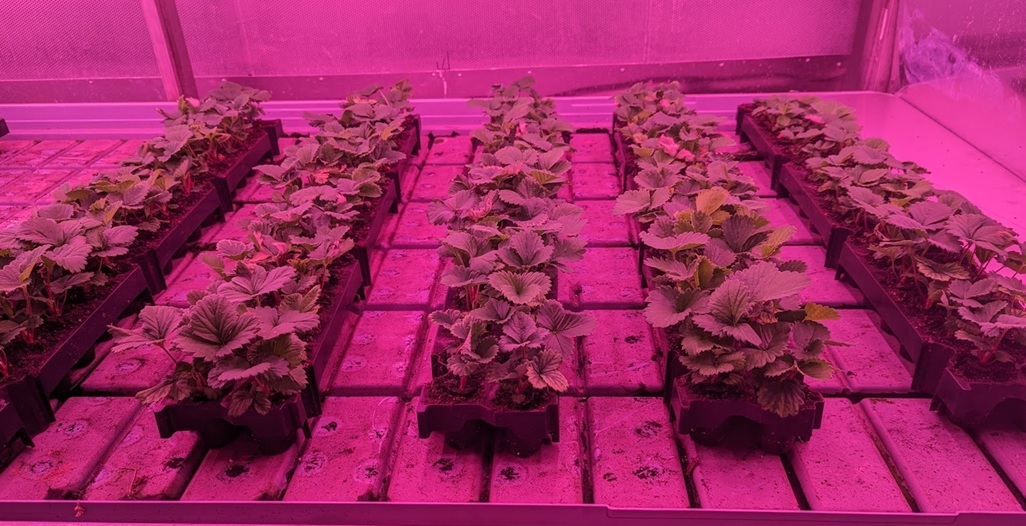
A proven opportunity in strawberry cultivation with indoor-grown generative young plants
Indoor strawberry young-plant production is moving from a promising concept to a proven opportunity. Recent trials with F1 hybrid varieties grown from seed in fully controlled facilities have shown faster development of young plants, a roughly 40% higher fruit yield in the greenhouse, harvesting two weeks earlier, and a clean, chemical-free starting point.
February 23, 2026
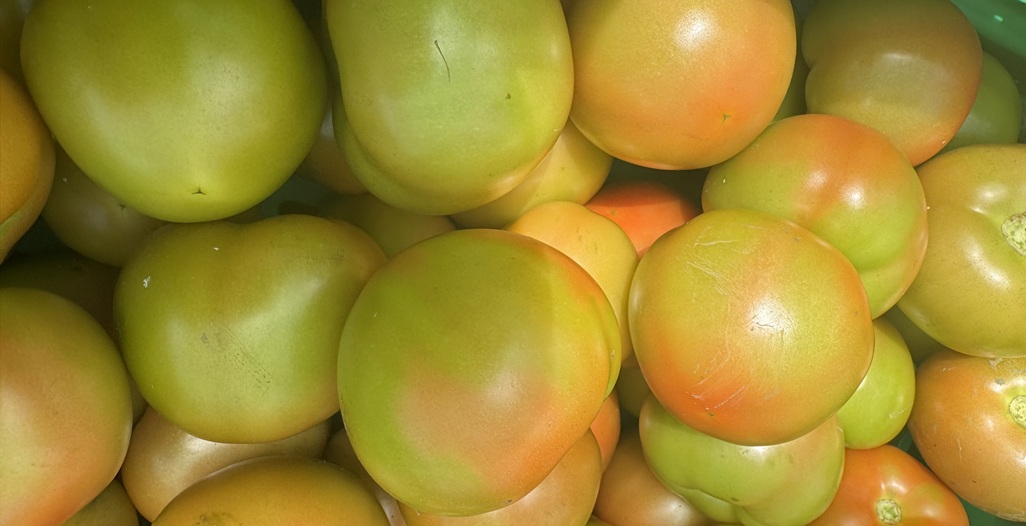
How blotchy ripening (green spots), a troublesome potential quality issue in this high-yielding variety, can be reduced by adjusting the nutrient balance – specifically the potassium and nitrogen ratios.
Low-heat, full-LED trial on track to achieve higher yields and better quality in larger truss tomatoes
February 23, 2026
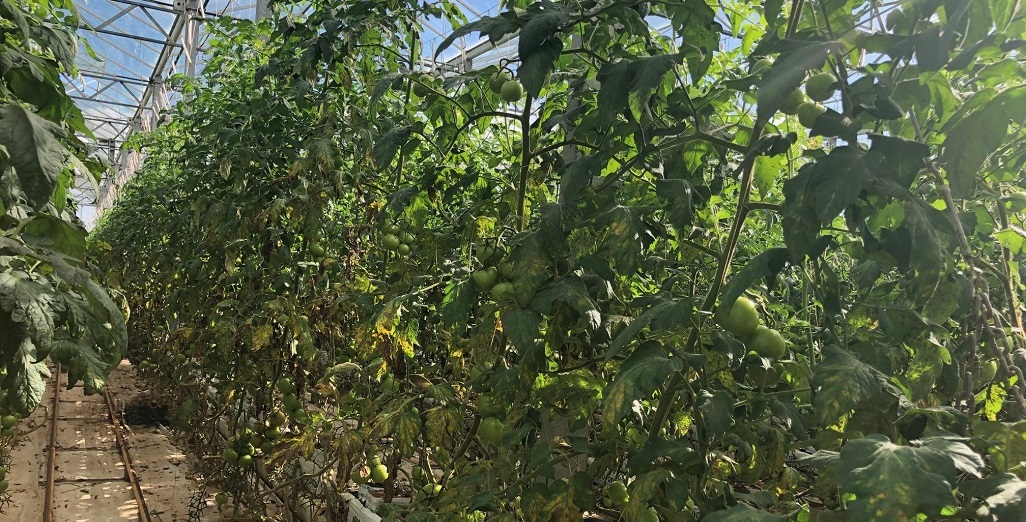
Leaf Mould (Cladosporium) plant samples required
Leaf mould continues to be a significant issue for many growers across the country, particularly given the weather conditions we have experienced over the summer.
February 10, 2026
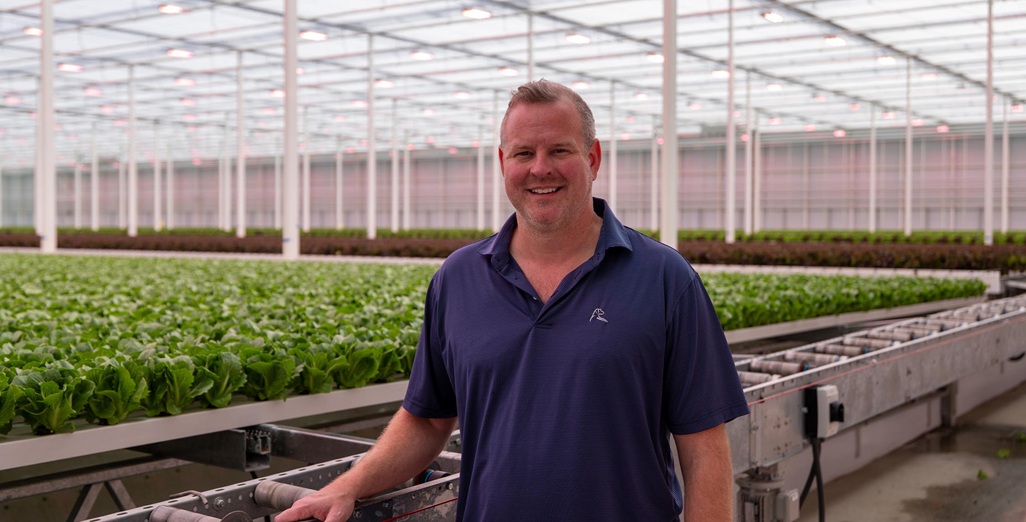
Equinox Growers improved crop quality and achieved consistent yield using Philips GreenPower LED toplighting force for leafy greens production
Signify (Euronext: LIGHT), the world leader in lighting, is proud to announce the outstanding success that Equinox Growers has achieved in their leafy greens production using Philips LED toplighting force.
January 27, 2026
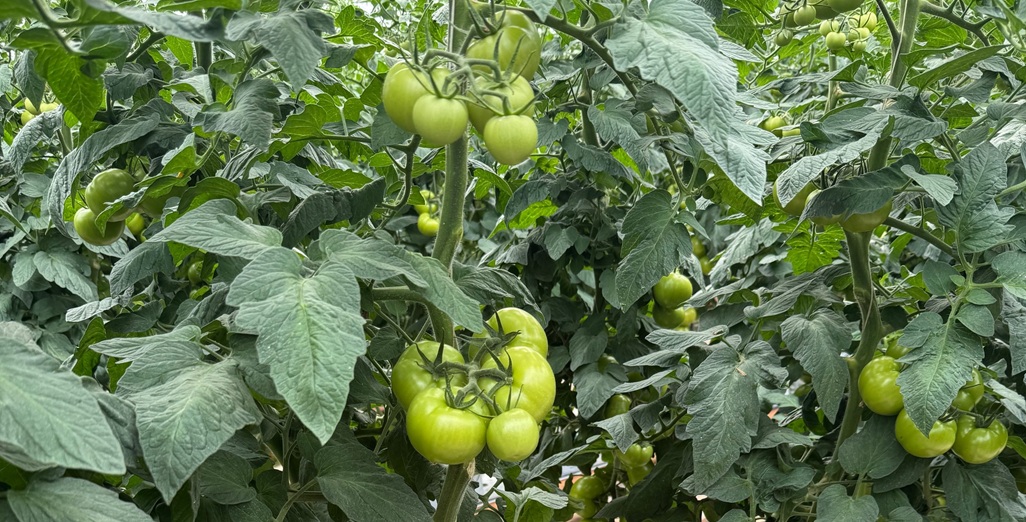
Three research insights in preventing tip burn in a hybrid LED tomato crop
Research article: When transitioning from HPS lights to LEDs, the screen and heating strategies can rarely be directly copied from a previous HPS setup.
January 12, 2026
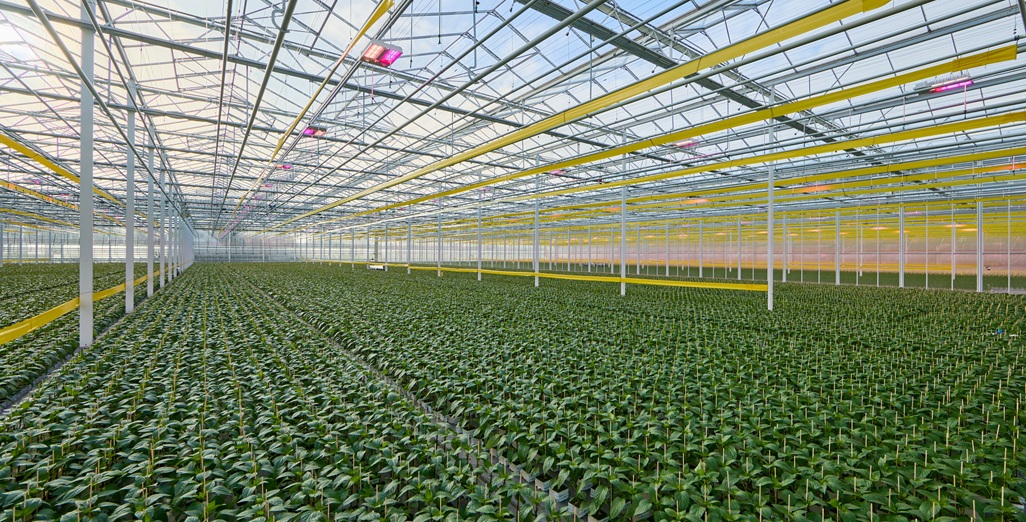
Successfully upgrading their HPS lighting across 45 hectares at six cultivation sites
Vreugdenhil-Klugt optimizes year-round plant production with Philips GreenPower LED and GrowWise control system
CLASSIFIED