
Sign up here to subscribe to the Grower2grower Ezine. Every two weeks you will receive new articles, specific to the protected cropping industry, informing you of industry news and events straight to your inbox.
30
Jun 2025
Jun 2025
Towards 100% Green: How EVA is transforming sustainable agriculture

‘EVA uses vision-based AI to detect over 15 pests and diseases with 10 cm precision’
EVA empowers growers on the path to 100% green, using AI and agrobotics to boost yields, cut inputs, and build a smarter, more sustainable food system rooted in Dutch innovation.
Growers are at the heart of a rapidly evolving food system. But they cannot tackle today’s challenges alone. Building a sustainable future for agriculture requires collaboration across the entire ecosystem—growers, policymakers, researchers, and technology providers must work together to transform how we produce, process, and distribute food. The shift must move beyond maximizing output to creating resilient, data-driven, and ecologically sound systems.
The urgency is clear. The global food system is under immense pressure. According to the UN Food and Agriculture Organization (FAO), nearly 600 million people could face hunger by 2030 if current trends persist. In 2020, 3.2 billion people could not afford a healthy diet, and one-third of all food produced was wasted. Meanwhile, the global population is expected to surpass 9.7 billion by 2050, intensifying the demand for food from increasingly limited arable land due to climate change, urbanization, and resource depletion.
The Dutch model for Horticulture
The Netherlands is a global leader in sustainable innovation. Its horticultural model integrates climate control, water management, biological pest control, and smart technology to deliver high yields with minimal environmental impact. Dutch agriculture uses just 1.2% of the EU’s farmland to produce 6% of its food.
Organizations like the Federatie Vruchtgroente Organisaties (FVO) are driving this transformation. Through initiatives like the Green Growing Expertise Center, FVO unites growers, researchers, and policymakers to accelerate green cultivation. Projects such as 100% Groen Geteeld aim to prove that growing without synthetic inputs is both possible and profitable targeting a fully green, resilient system by 2026.
EVA: Platform for Ephemeralized Agrobotics
At Viscon Group, we see technology not as a standalone solution but as a catalyst for systemic change. That’s why we developed EVA: Ephemeralized Viscon Agrorobotics —a scalable, AI-powered platform designed to do more with less, supporting sustainable crop development through intelligent automation.
Currently focused on tomato crops, EVA uses vision-based AI to detect over 15 pests and diseases with 10 cm precision. Operating 22/7 under any lighting, it generates plant-level heatmaps that enable early, localized action—cutting chemical use by up to 70%, labor by 50%, and crop loss by 30%.
The detection engine behind EVA is powered by advanced AI models developed by our partner Fermata. These models are trained on extensive datasets from static camera systems that have demonstrated high accuracy in identifying pest and disease symptoms. By integrating these proven models into EVA’s mobile scouting platform, we’ve significantly enhanced detection precision and coverage—bringing real-time, autonomous insights directly to growers.
Developed in collaboration with forward-thinking growers like Bryte , EVA aligns with policy goals to reduce chemical inputs and improve food security. It combines grower expertise with cutting-edge AI, representing a new generation of agrobotics that is both visionary and practical.
And this is just the beginning. EVA’s roadmap includes expansion to other high-vine crops like peppers and strawberries. Future modules will support broader crop health monitoring and yield forecasting. EVA is modular, data-driven, and built to evolve with the sector.
Call for Collaboration
To truly transform the food system, we must move beyond isolated solutions. This is a call for collaboration across the value chain:
• Growers need tools and support to adopt sustainable practices.
• Policymakers must create frameworks that reward ecological responsibility.
• Technology providers should deliver accessible, scalable solutions grounded in real-world needs.
Together, we can build a food system that not only feeds the world but does so within planetary boundaries—protecting biodiversity and ensuring long-term food security.
Source: Towards 100 Green – How EVA is transforming sustainable agriculture | GreenTech
Date: 24th June 2025

CLASSIFIED










Photo
Gallery




Subscribe to our E-Zine
More
From This Category
February 23, 2026
A proven opportunity in strawberry cultivation with indoor-grown generative young plants
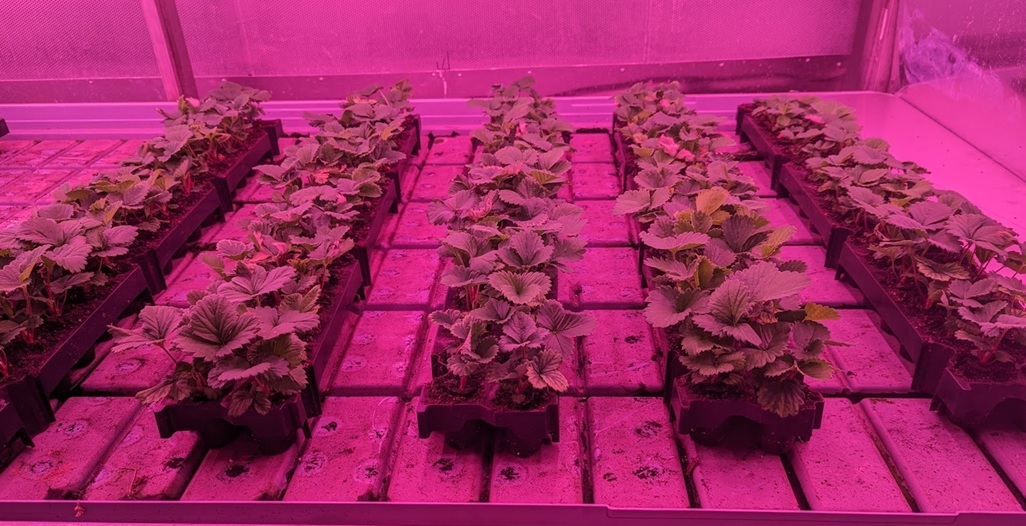
Indoor strawberry young-plant production is moving from a promising concept to a proven opportunity. Recent trials with F1 hybrid varieties grown from seed in fully controlled facilities have shown faster development of young plants, a roughly 40% higher fruit yield in the greenhouse, harvesting two weeks earlier, and a clean, chemical-free starting point.
February 23, 2026
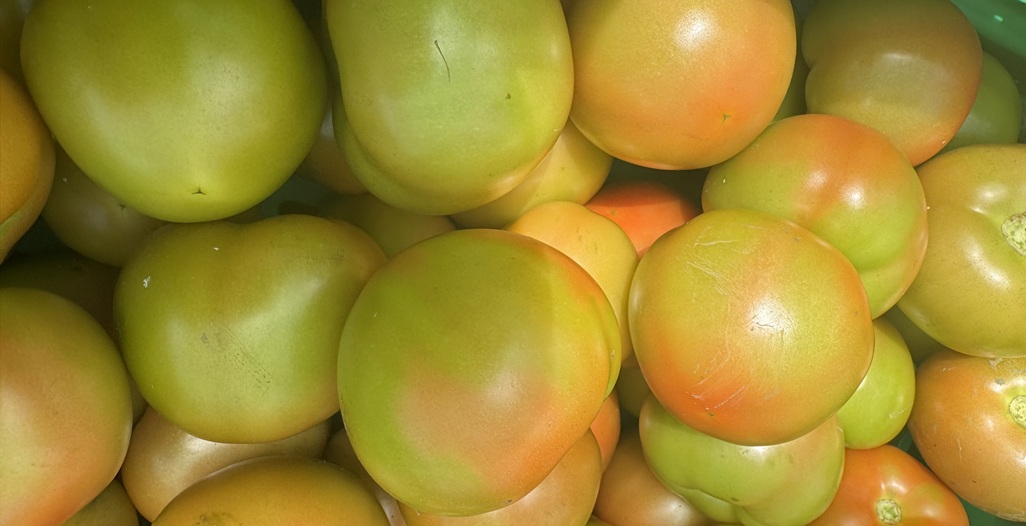
How blotchy ripening (green spots), a troublesome potential quality issue in this high-yielding variety, can be reduced by adjusting the nutrient balance – specifically the potassium and nitrogen ratios.
Low-heat, full-LED trial on track to achieve higher yields and better quality in larger truss tomatoes
February 23, 2026
Leaf Mould (Cladosporium) plant samples required
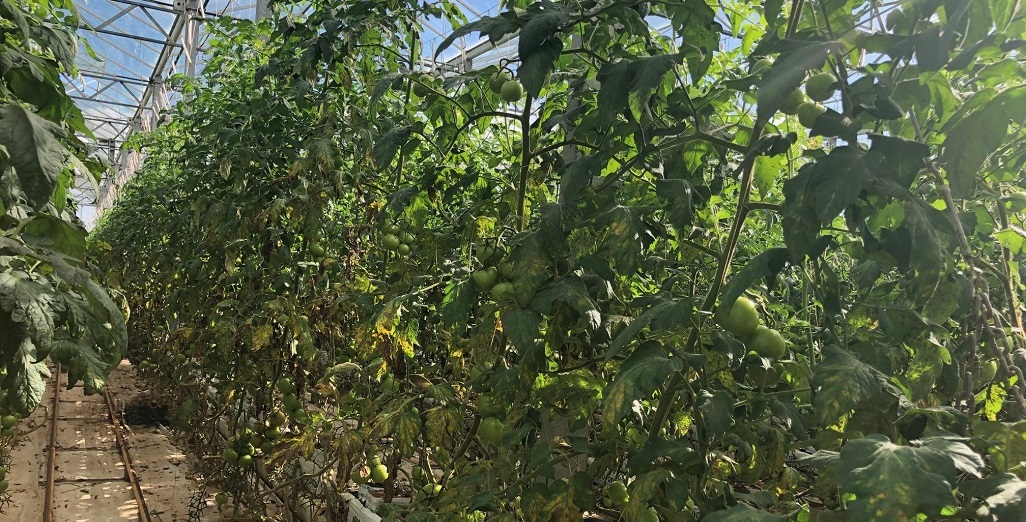
Leaf mould continues to be a significant issue for many growers across the country, particularly given the weather conditions we have experienced over the summer.
February 10, 2026
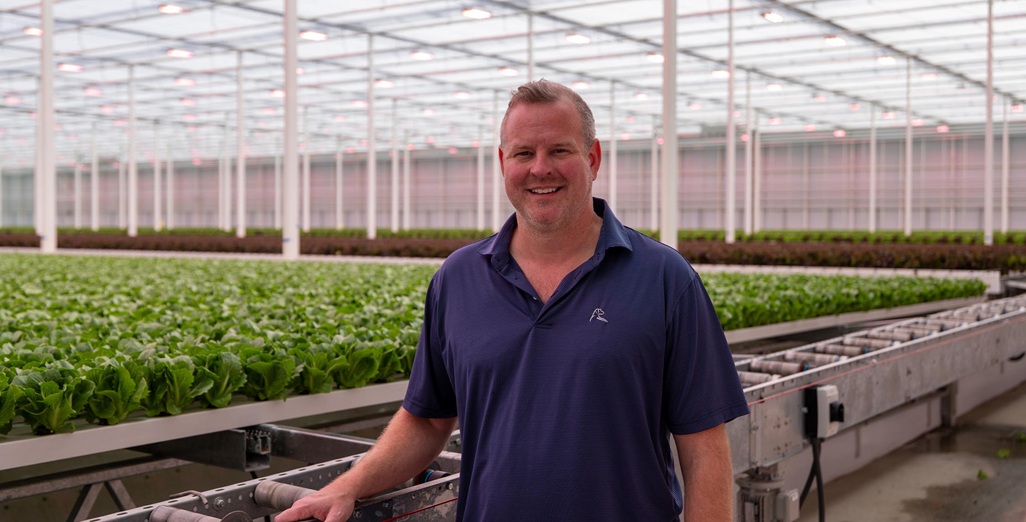
Equinox Growers improved crop quality and achieved consistent yield using Philips GreenPower LED toplighting force for leafy greens production
Signify (Euronext: LIGHT), the world leader in lighting, is proud to announce the outstanding success that Equinox Growers has achieved in their leafy greens production using Philips LED toplighting force.
January 27, 2026
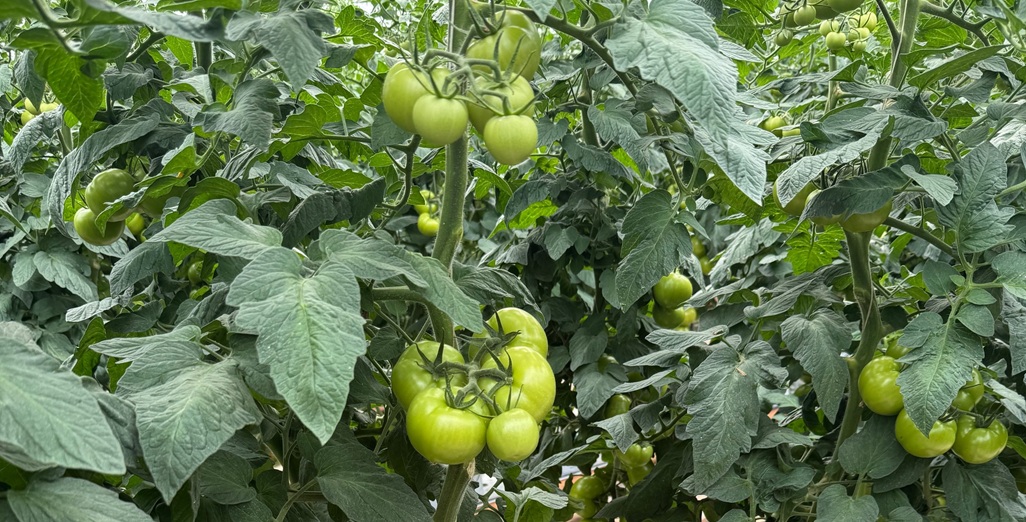
Three research insights in preventing tip burn in a hybrid LED tomato crop
Research article: When transitioning from HPS lights to LEDs, the screen and heating strategies can rarely be directly copied from a previous HPS setup.
January 12, 2026
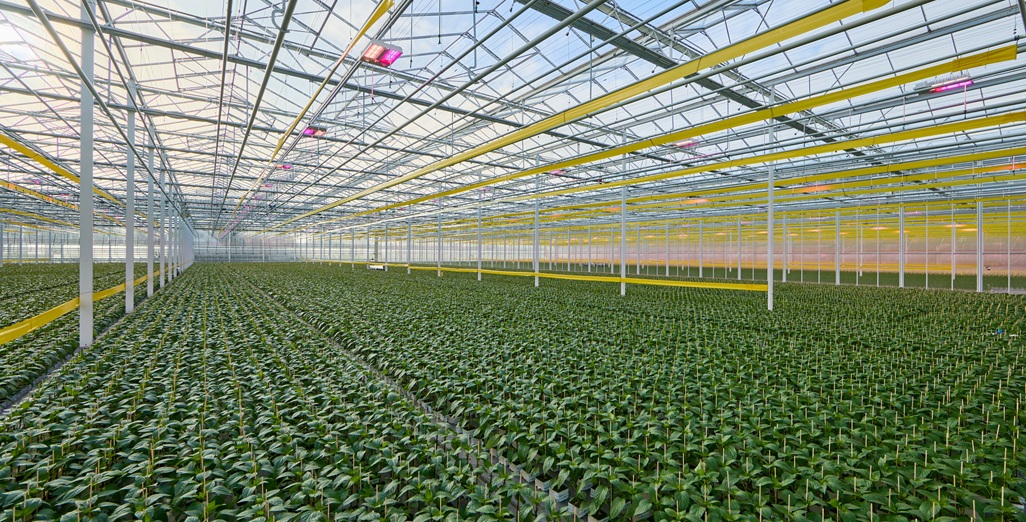
Successfully upgrading their HPS lighting across 45 hectares at six cultivation sites
Vreugdenhil-Klugt optimizes year-round plant production with Philips GreenPower LED and GrowWise control system
CLASSIFIED