
Sign up here to subscribe to the Grower2grower Ezine. Every two weeks you will receive new articles, specific to the protected cropping industry, informing you of industry news and events straight to your inbox.
15
Jan 2025
Jan 2025
Web based tool to help growers switch to geothermal heating
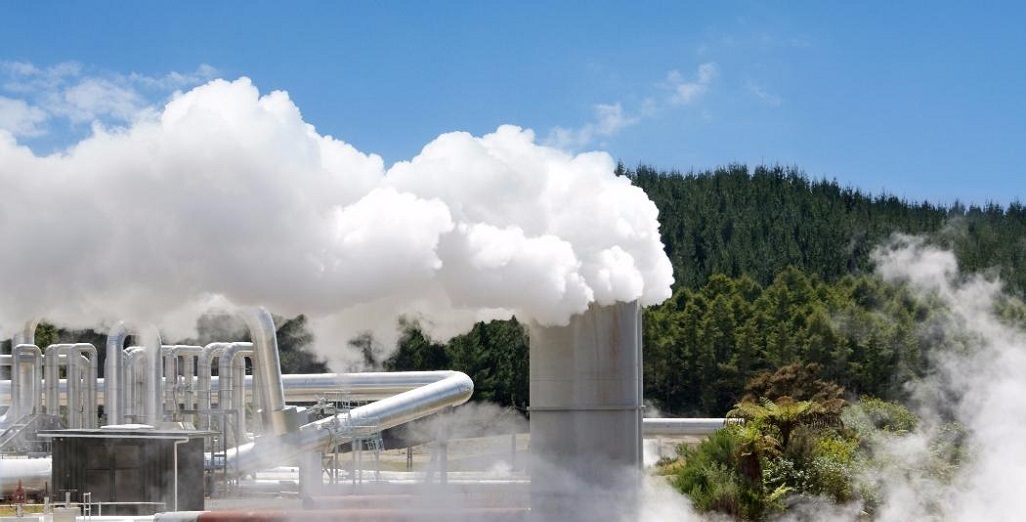
A new web-based tool currently under development will help greenhouse growers switch to geothermal-sourced heating and reduce their use of fossil fuels.
‘The use of geothermal heat in greenhouses is common overseas but not in New Zealand, which is ironic given how obvious this form of energy is in parts of the country like Rotorua,’ says Vegetables NZ Chief Executive, Antony Heywood.
‘What’s more, geothermal heat is available across New Zealand, not just in our volcanic zones. Most greenhouse operations only require temperatures below 70°C, which by using the right technology, can be harnessed from the naturally occurring geothermal energy resources below them.
‘The tool under development will help kiwi greenhouse growers make the switch to geothermal, by translating complex geothermal subsurface data into a user-friendly web-based tool tailored for the covered cropping industry.’
GNS Geothermal Scientist, Dr Anya Seward says the new tool will draw together existing data and knowledge about geothermal heat resource availability in the greater Auckland, Northern Waikato, and Bay of Plenty regions.
‘The project will also incorporate information from heating engineers on how to use geothermal energy resources in greenhouses and model the economics compared to other energy sources. This information will be invaluable when growers are considering options for decarbonization.’
TomatoesNZ Business Manager, Dinah Cohen, says that while geothermal is currently being used by some businesses and at least one greenhouse grower, they are generally extracting high-temperature geothermal which is then cooled down to the required temperature for use.
‘The benefit of low-temperature geothermal is that it is more widely available and does not need to be cooled for use.
‘In addition, by switching to geothermal heating, New Zealand’s greenhouse food growing industry can not only significantly reduce emissions, but also reduce its vulnerability to volatile and rising energy costs.’
Dr Seward says there is no more efficient way to produce heat than by starting with pre-existing heat.
‘Geothermal heat offers a 24/7, low-emissions heating alternative that is more energy efficient than fossil-fuel burners and electric heating.’
Development of the new web-based tool is being supported by the Sustainable Food and Fibre Futures fund through the Ministry for Primary Industries and Vegetable NZ. The development is being done through a collaboration involving GNS Science, GeoExchange NZ, Vegetables NZ and TomatoesNZ.
The tool is expected to be ready by March 2026.
Source: Fresh Vegetables New Zealand
CLASSIFIED


















Photo
Gallery












Subscribe to our E-Zine
More
From This Category
June 1, 2026
A major milestone has been reached in Direct Air Capture and agriculture
Strategic alliance will establish a decentralized, fossil-free CO₂ supply for a vital greenhouse cluster in the Netherlands that spans 80 hectares
June 1, 2026
Phormium launches a new ultra-transparent energy screen: Diamond
The leading Belgian climate screen manufacturer Phormium announces the introduction of a brand-new revolutionary energy screen:
June 1, 2026
Ground-Source Heating: Lessons from a Leading UK Greenhouse Operation
An in-depth look at the ground-source heat pump system heating Stewarts Garden Centre in England and the opportunities this technology may offer commercial greenhouse growers in New Zealand. "Energy costs in the UK are currently extremely high compared with New Zealand. During discussions on site, electricity pricing was described as sitting around 22 pence per kWh, which converts to approximately NZ$0.50 per kWh. Considering those energy prices, the efficiency of the heating system was particularly impressive".
May 5, 2026
Energy, Equity and the Future of Greenhouse Growing
Finding Balance in a Changing Energy Landscape. Recent discussions within the industry have raised questions around energy security — particularly the role of gas — and whether targeted support for some growers may be needed to maintain production.
It’s an important conversation, and one that deserves careful consideration.
April 20, 2026
Autumn Challenges: Managing Humidity, Energy Constraints and Crop Balance
A Perfect Storm for Crop Performance
April 7, 2026
Energy Resilience for Greenhouse Horticulture: Electricity at the Core (not just for greenhouse horticulture but NZ Inc?)
Real opportunity for long-term resilience lies in electricity and bioenergy for growers
CLASSIFIED