

Sign up here to subscribe to the Grower2grower Ezine. Every two weeks you will receive new articles, specific to the protected cropping industry, informing you of industry news and events straight to your inbox.
2
Dec 2025
Dec 2025
Why Maintaining Cool Slab Temperatures Is Critical for Greenhouse Crops
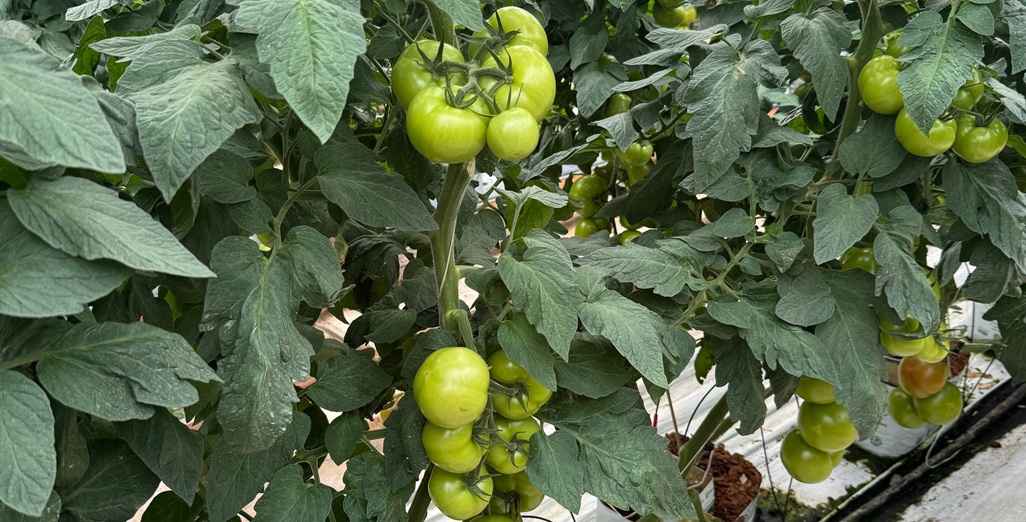
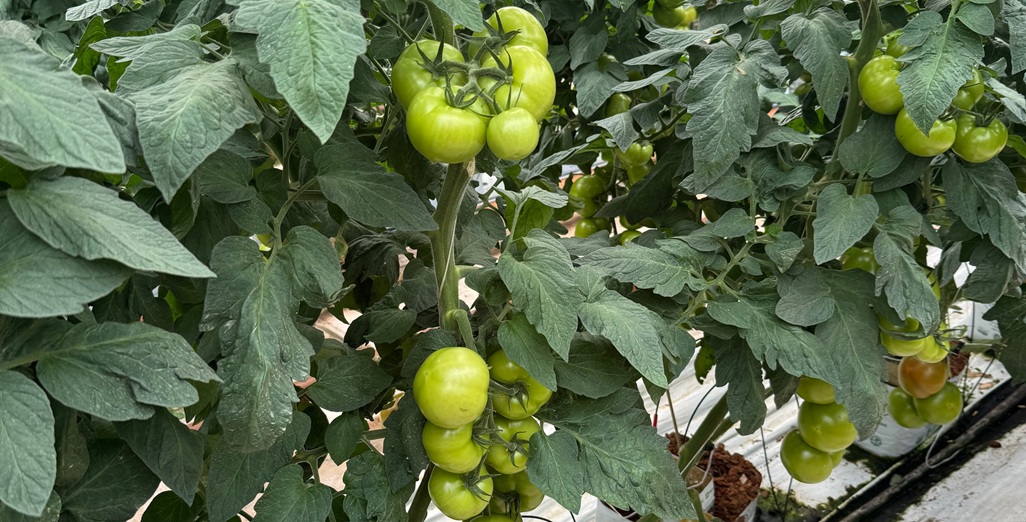
Unseasonably hot weather for this time of year—have highlighted just how vulnerable greenhouse crops can be when slab temperatures climb beyond safe limits.
For greenhouse growers of tomatoes, cucumbers, capsicums, and eggplants, maintaining optimal root-zone conditions is just as important as managing the climate above the canopy. One of the most critical yet often overlooked factors is slab temperature. When the substrate becomes too warm, it can quickly destabilize the entire crop physiology, reduce production, and amplify any underlying plant health problems. Recent conditions—unseasonably hot weather for this time of year—have highlighted just how vulnerable crops can be when slab temperatures climb beyond safe limits.
Vine crop root systems are naturally adapted to cooler, stable soil environments. When slab temperatures rise above the ideal range, the roots experience significant stress. High temperatures reduce dissolved oxygen levels in the substrate, limiting the plant’s ability to respire efficiently. Root respiration increases with heat, but oxygen availability decreases—a combination that leads to hypoxia, root burn, and weakened uptake capacity. The result is a crop that looks strong in the morning but becomes soft, wilted, and slow by the afternoon.
High slab temperatures also disrupt nutrient uptake. With heat-stressed roots, plants struggle to absorb essential nutrients such as calcium, magnesium, and nitrate. This often leads to physiological disorders—blossom-end rot in capsicums and tomatoes, fruit curling in cucumbers, and increased susceptibility to cracking and deformities. Even if the fertiliser recipe is correct, the crop simply cannot perform when the root zone is overheating.
One of the most concerning impacts of high slab temperatures is their effect on plant health and disease development. Many root pathogens—especially Pythium, Fusarium, and Phytophthora—thrive in warm, oxygen-poor conditions. When it has been really hot, any pre-existing issues in the root zone become far more severe. A slab creeping into the mid-20s or higher can turn a mild infection into a full-blown outbreak seemingly overnight. This is why even aggressive drenching may mask symptoms temporarily, this does not address the underlying environmental problem.
Maintaining cool slab temperatures also protects beneficial biology. Modern growers increasingly rely on microbial products such as Bacillus species to maintain root health and suppress pathogens. These beneficial organisms struggle to survive when temperatures climb too high, reducing their effectiveness right when plants need them most. Keeping substrate temperatures in the optimal range ensures these biological tools can function properly.
Cooling the slab is not about eliminating heat altogether; it is about creating a stable, supportive root-zone environment that matches the crop’s natural requirements. Strategies such as adjusting irrigation timing, reducing afternoon watering, controlling drain percentage, moderating heating pipe use, and managing morning climate transitions all contribute to maintaining a cool, healthy root zone. Even small changes can make a significant difference.
In hot weather, protecting the slab becomes even more critical. A cool, oxygen-rich root zone keeps crops resilient, productive, and able to withstand climate fluctuations. Ultimately, the health of vine crops starts below the surface—and growers who manage slab temperature well consistently see stronger plants, better fruit quality, and greater long-term performance.
Overview:
1. Oxygen Availability Declines Rapidly in Warm Slabs
Root systems rely on dissolved oxygen in the water-filled pore spaces of the substrate. As slab temperatures rise into the high 20s and beyond, water holds significantly less oxygen. Even a few hours in low-oxygen conditions can cause fine roots to die back. Vine crops are highly sensitive: tomatoes and capsicums in particular struggle when the root zone becomes anaerobic, leading to wilt, poor nutrient uptake, and root stress that can last weeks.
2. Warm Slabs Accelerate Pathogen Activity
Many root diseases thrive in warm, oxygen-poor environments. Pythium, Fusarium, and Phytophthora increase their activity sharply as temperatures climb. A slab sitting at 28–32°C is the perfect environment for pathogens to spread. Cucumbers may tolerate higher temperatures slightly better (especially grafted varieties), but tomatoes and eggplants become extremely vulnerable. Keeping slab temperatures cool, if you are able to is the most effective preventative measures against root diseases.
3. Reduced Nutrient Uptake and Physiological Stress
When roots are stressed by heat, nutrient uptake efficiency drops. This often presents as:
-
Magnesium and potassium deficiencies
-
Irregular fruit development
-
Uneven truss set
-
Delayed growth and pale foliage
High slab temperatures can also cause the plant to close stomata more rapidly on warm days, reducing transpiration and creating a cycle of wilt, poor uptake, and greater internal heat stress.
4. Impact on Plant Balance and Crop Steering
Growers rely on subtle manipulation of irrigation, temperature, and humidity to steer vine crops generatively or vegetatively. Slab temperature is central to this balance. Warm slabs push the plant vegetative initially, then suddenly weaken the root system and force it into a stressed generative mode. This instability makes crop steering unpredictable. Cool, stable slabs allow the plant to respond cleanly to grower decisions.
5. Higher Fruit Quality and More Consistent Yields
Healthy roots equal healthy fruit. Cool slabs promote:
-
Stronger, whiter roots
-
Consistent uptake of calcium and potassium
-
Reduced blossom-end rot (tomatoes, capsicums)
-
Firm cucumbers with longer shelf life
-
Better colour and fewer defects
Fruit fill is smoother, and plants handle hot, bright days with far less wilt or stress.
6. Irrigation Timing and Light Management Are Key
Slab temperatures rise fastest when irrigation is delayed on hot, bright mornings or when roof coatings are absent. Early irrigation, diffused coatings, shading strategies, and correct shot timing all work together to keep the root zone cool and oxygenated.
For more information contact stefan@grower2grower.co.nz
CLASSIFIED
















Photo
Gallery










Subscribe to our E-Zine
More
From This Category
March 10, 2026
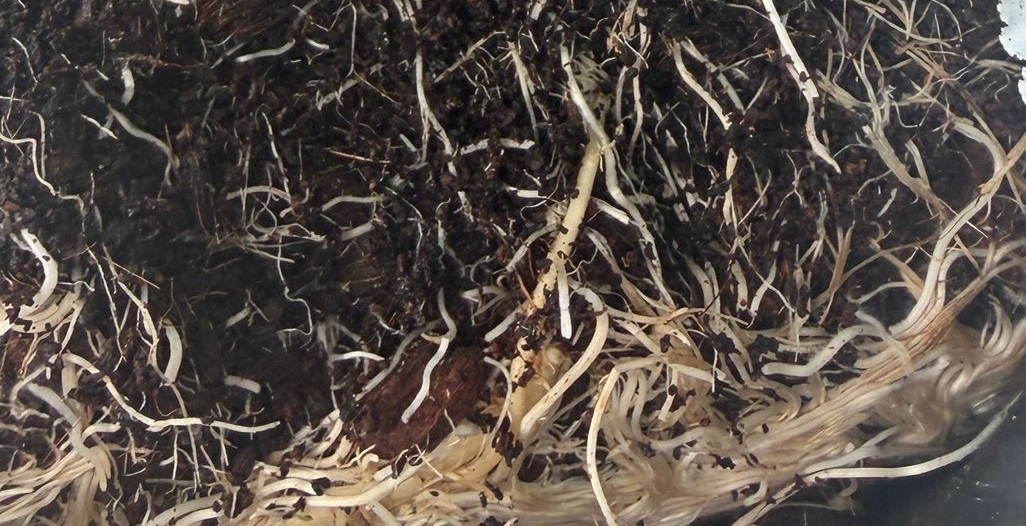
Where Does Fusarium Sit on Your Priority List?
When discussing crop health during technical strategy meetings, Fusarium often does not sit particularly high on the list of priorities.
February 23, 2026
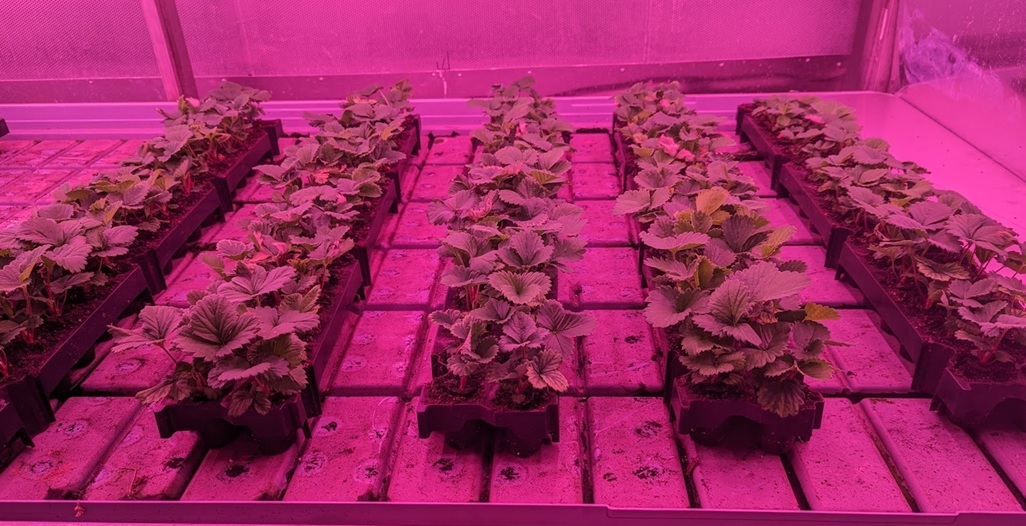
A proven opportunity in strawberry cultivation with indoor-grown generative young plants
Indoor strawberry young-plant production is moving from a promising concept to a proven opportunity. Recent trials with F1 hybrid varieties grown from seed in fully controlled facilities have shown faster development of young plants, a roughly 40% higher fruit yield in the greenhouse, harvesting two weeks earlier, and a clean, chemical-free starting point.
February 23, 2026
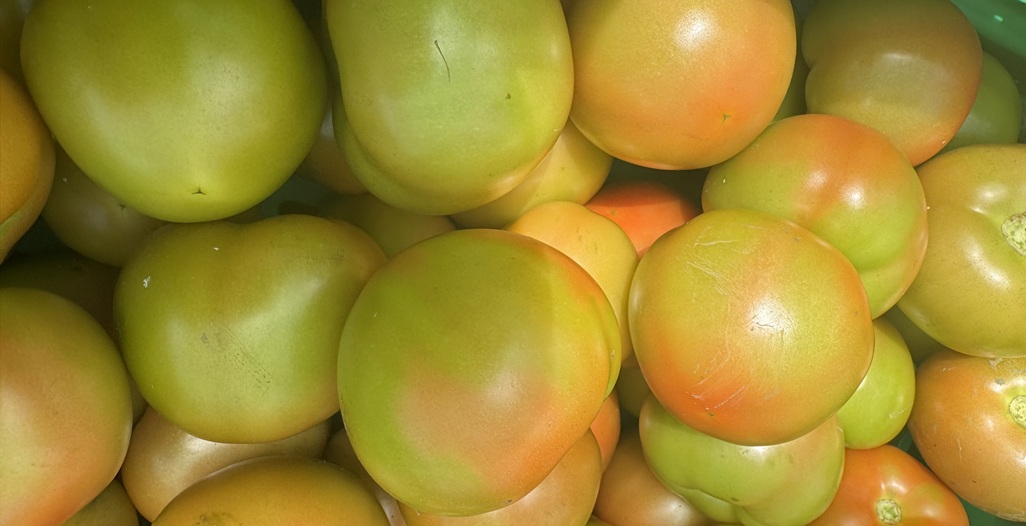
How blotchy ripening (green spots), a troublesome potential quality issue in this high-yielding variety, can be reduced by adjusting the nutrient balance – specifically the potassium and nitrogen ratios.
Low-heat, full-LED trial on track to achieve higher yields and better quality in larger truss tomatoes
February 23, 2026
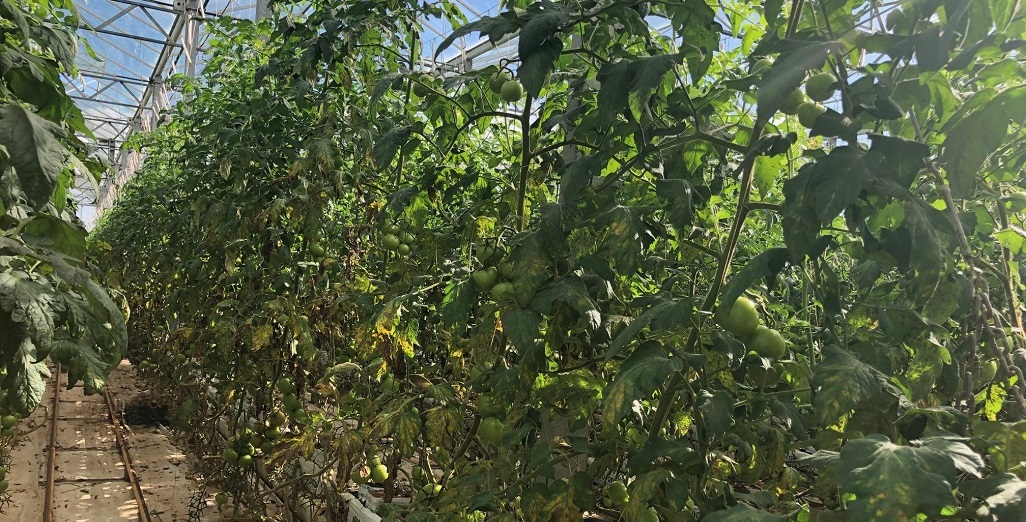
Leaf Mould (Cladosporium) plant samples required
Leaf mould continues to be a significant issue for many growers across the country, particularly given the weather conditions we have experienced over the summer.
February 10, 2026
Equinox Growers improved crop quality and achieved consistent yield using Philips GreenPower LED toplighting force for leafy greens production
Signify (Euronext: LIGHT), the world leader in lighting, is proud to announce the outstanding success that Equinox Growers has achieved in their leafy greens production using Philips LED toplighting force.
January 27, 2026
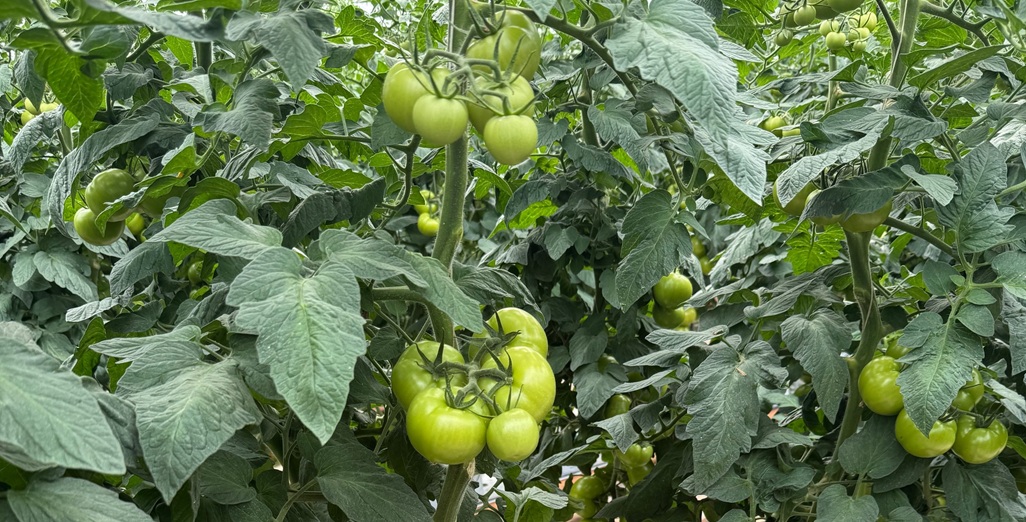
Three research insights in preventing tip burn in a hybrid LED tomato crop
Research article: When transitioning from HPS lights to LEDs, the screen and heating strategies can rarely be directly copied from a previous HPS setup.
CLASSIFIED