

Sign up here to subscribe to the Grower2grower Ezine. Every two weeks you will receive new articles, specific to the protected cropping industry, informing you of industry news and events straight to your inbox.
22
Jan 2019
Jan 2019
Triple Headed Grafted
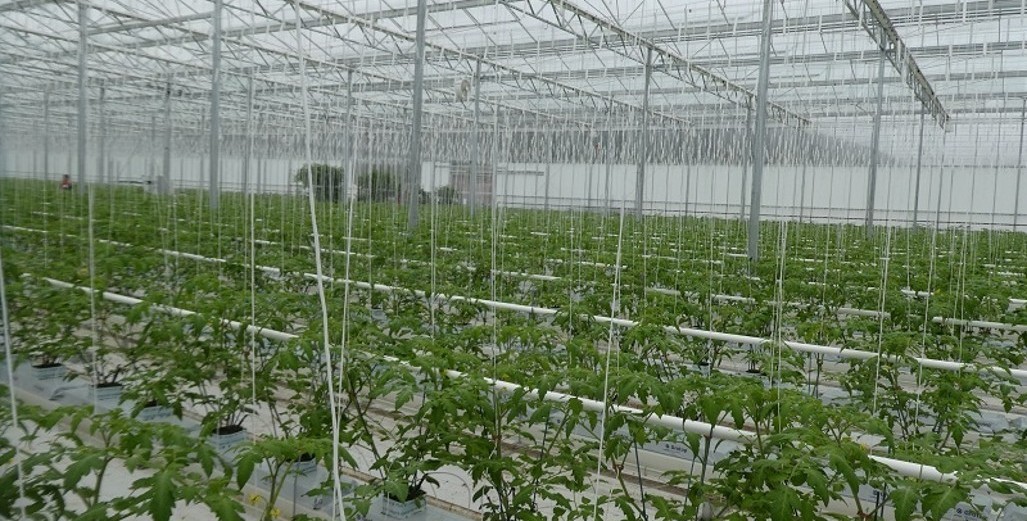
Balancing the crop has become a whole lot easier
Triple headed grafted tomato plants are becoming more and more the norm amongst growers at this time of the year. Not only does it mean growers will be picking faster from the third shoot, increasing production, but it has what I consider to be the most important benefit, making it far easier to balance the young plant in high light conditions.
I believe the most challenging period to plant a crop of tomatoes is between September and January. The extra light can make it very difficult to balance the plant and stop it from becoming to strong or vegetative. If you make mistakes such as gifting too much water, this could result in fat stems that will come back to haunt you in the Autumn and Winter with increased stem botrytis or later into the crop with yellow stems. If you are too hard on your watering and run adversely high EC in and out of your substrate then you end up with the first two trusses full of blossom end rot and non-marketable fruit. Inverting temperatures and leaf removal are key along with accurate watering for non-grafted and double headed grafted plants, but with triple headed plants the need to be so ‘brutal’ on your plants to control them appears minimal in comparison.

A triple headed grafted 45cm plant recently supplied by Gellert Nurseries. They can be grown up to 60cm by the nurseries.
Twelve or so years ago, I planted a crop of tomatoes in November, this crop ended up extremely difficult to control. The extra light caught me by surprise and I was not bold enough or experienced enough to understand what I should have done to better control the plant from becoming overly strong. This led to an entire season of headaches. It was easy in hindsight but at the time I was scratching my head whilst the plants were turning into sumo wrestlers in front of eyes (no offence intended to sumo wrestlers).
Triple headed plants give growers the opportunity to plant, tie up their crop and complete the necessary leaf removal to keep the plant in balance, without running out of time and falling behind with their work. You might think two heads is 33% less work, but it’s not, it just means you have two heads growing rapidly out of control. Growers who are planting triple heads at the moment will probably remove the third head after picking 7-8 trusses, then grow the plants at one third less density in the winter before adding another shoot in early spring. It may seem like a lot of work but the benefit to having a balanced plant, going into the winter, can be the difference between a huge amount of disease pressure and high % crop losses and not. If you get it right then it will mean less time spraying and more time for watching the rugby!
Certain varieties of tomatoes can also be grown with four heads, cherries are perfect example. Triple headed cherry tomato plants are a very good option for planting in the winter time. Too often I come across cherry plants with far too strong/large stem and leaf area and with fruit on the first three or four trusses far too big.
I appreciate your comments. Please feel free to comment below or on the grower2grower Facebook page:
https://www.facebook.com/StefanGrower2grower/
Article Written by Stefan Vogrincic, Consultant, Grower2Grower
CLASSIFIED













Subscribe to our E-Zine
More
From This Category
May 19, 2026
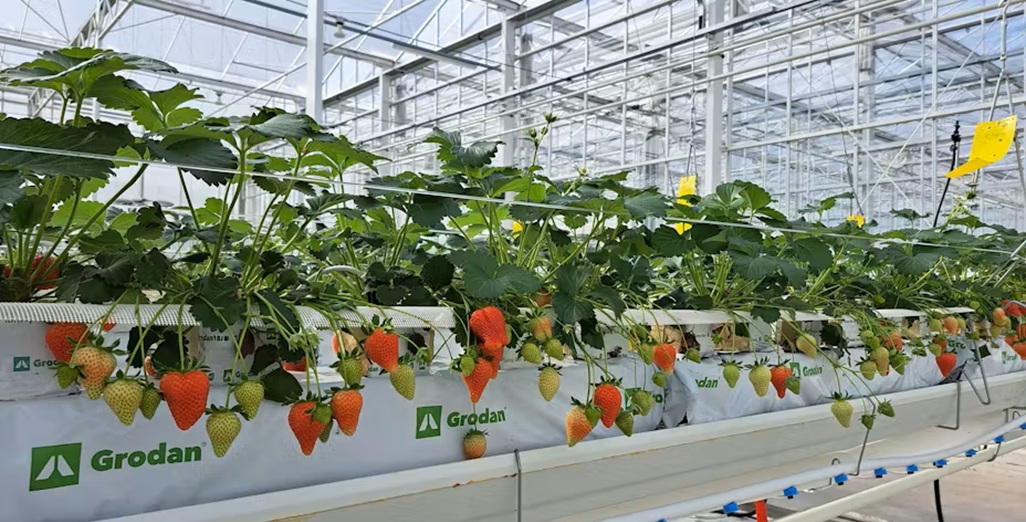
Demystifying stone wool for strawberry cultivation
“Stone wool can make it easier for growers to face some of the current challenges”
May 5, 2026
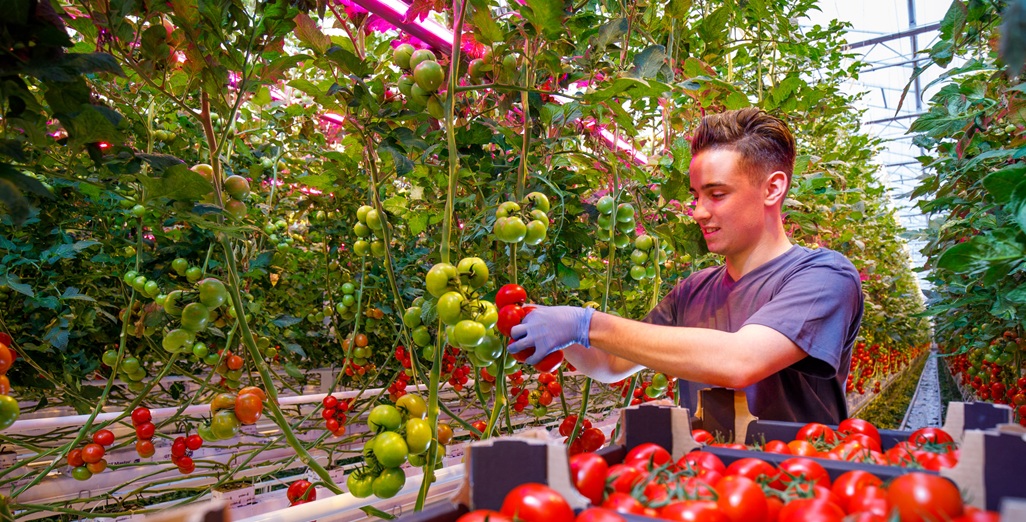
Turn sunshine into synergy and unlock higher yields year-round
How LED intercanopy lighting complements high radiation and transforms greenhouse production
May 5, 2026
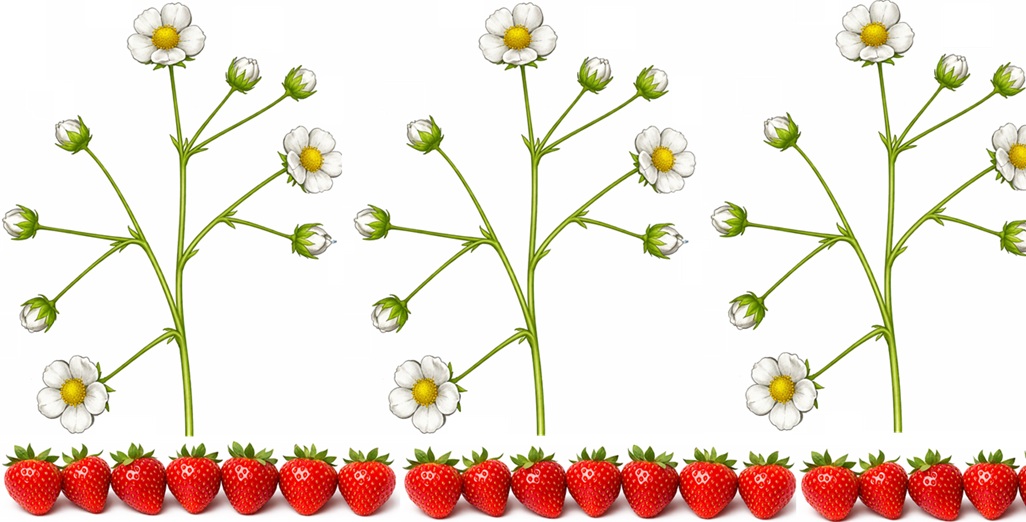
Innovation In Strawberry Production in New Zealand
Propagation in a controlled environment (plant factory) will eventually offer the potential to control plant development when planted out.
April 20, 2026
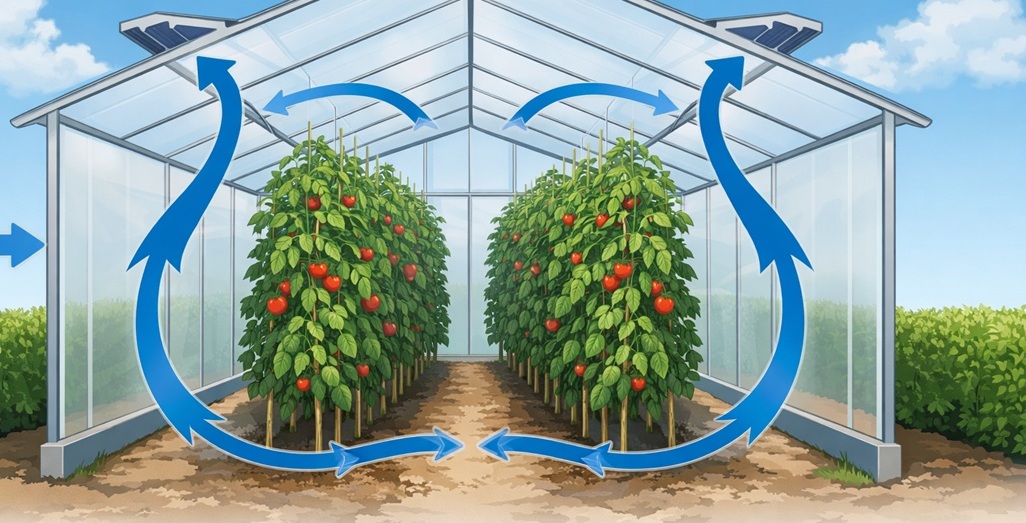
Autumn Challenges: Managing Humidity, Energy Constraints and Crop Balance
A Perfect Storm for Crop Performance
April 7, 2026
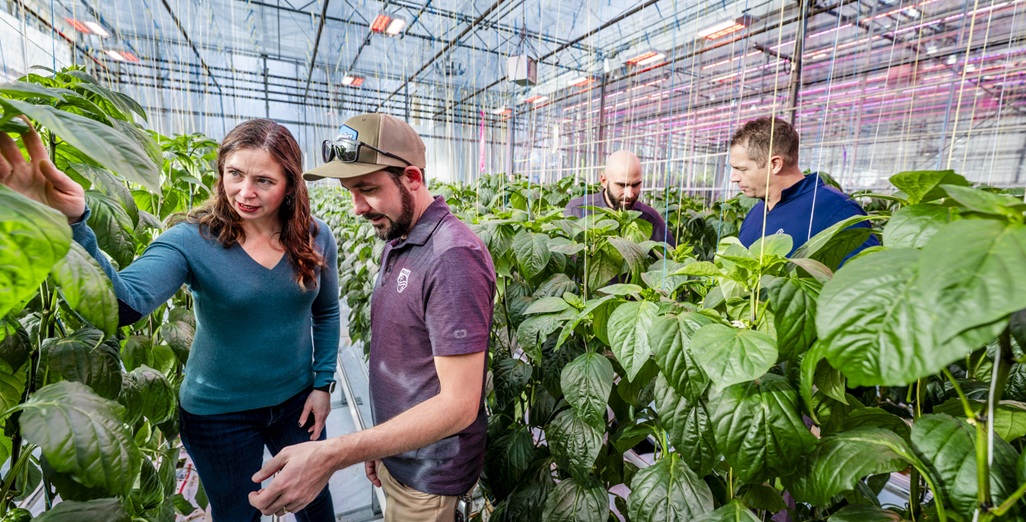
Signify and University of British Columbia collaborate to further explore feasibility of sustainable year-round greenhouse pepper production
Trial paves the way for growers to capitalize on the market opportunity to provide locally grown bell peppers during the winter months.
April 7, 2026
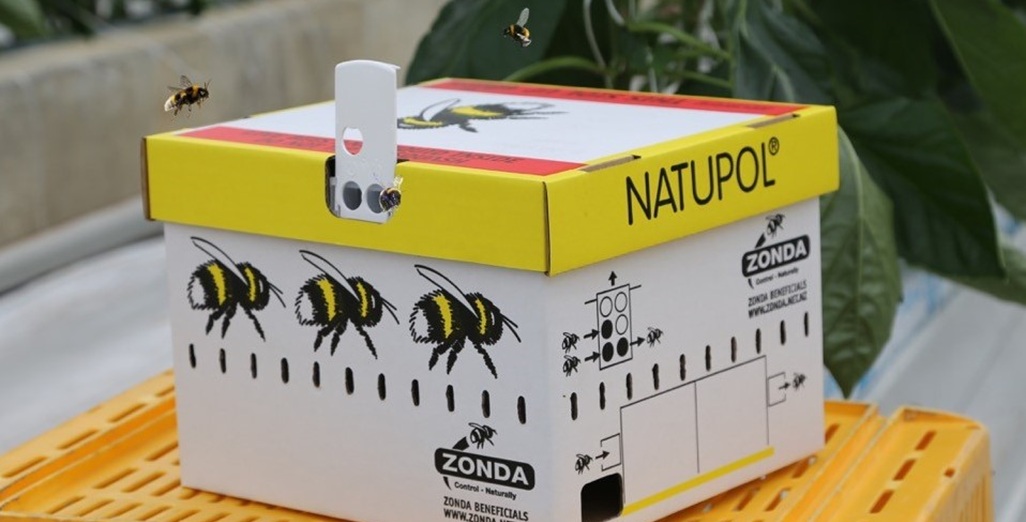
Think It’s the Bees? Think Again
Proven Hive Performance Suggests Auckland’s Climate and Crop Conditions Are the Key Limiters. Every year, Zonda receives calls from growers saying “the bees aren’t working” and requesting new hives. While hives are sometimes replaced, these cases consistently show that the bumblebees are performing as expected. The real challenge? Humidity, Auckland weather, and plant conditions.
CLASSIFIED