
Sign up here to subscribe to the Grower2grower Ezine. Every two weeks you will receive new articles, specific to the protected cropping industry, informing you of industry news and events straight to your inbox.
5
May 2026
May 2026
Energy, Equity and the Future of Greenhouse Growing
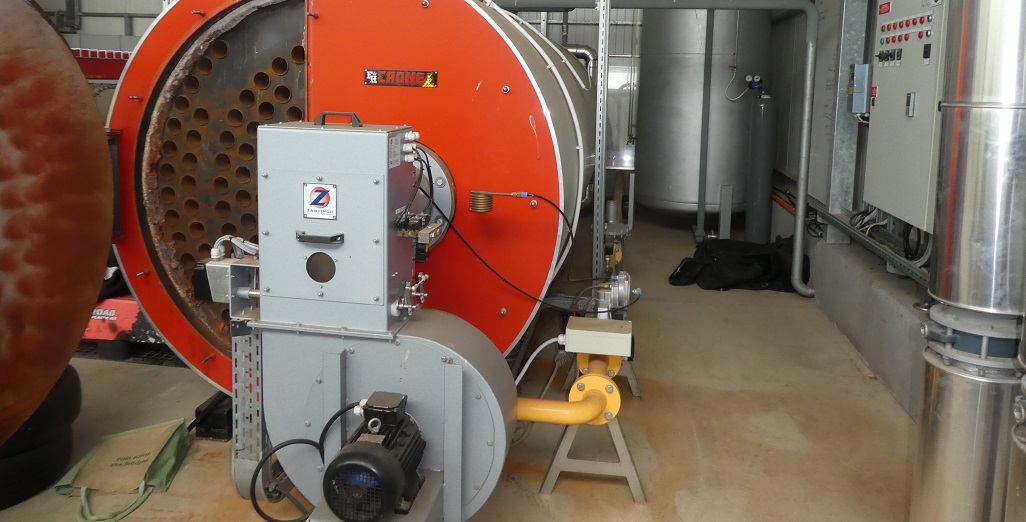
Finding Balance in a Changing Energy Landscape
Recent discussions within the industry have raised questions around energy security — particularly the role of gas — and whether targeted support for some growers may be needed to maintain production.
It’s an important conversation, and one that deserves careful consideration.
Some growers have suggested that gas supply could be prioritised, or priced in a way that reflects the importance of domestic food production. On the surface, this has merit. Reliable and affordable energy is critical for greenhouse operations, especially through winter and low-light periods.
However, it also raises a broader question: how do we ensure fairness across the sector?
Growers today are operating under very different energy models. Some remain reliant on natural gas, while others have made significant investments into alternative or renewable energy systems — often without direct financial support. These decisions have not been easy, and in many cases have required substantial capital and a long-term view of sustainability.
If support mechanisms are introduced for one energy source, it is worth considering how this impacts the wider industry. Ideally, any approach should recognise the diversity of systems already in place and avoid unintentionally creating imbalances between growers.
Investment, Transition and Ongoing Uncertainty
Over recent years, many greenhouse businesses have taken steps toward decarbonisation. This includes investment in technologies such as thermal screens, heat pumps, biomass systems, and improved dehumidification strategies.
These changes are positive for the long-term resilience of the industry, but they come at a cost.
At the same time, energy pricing — particularly for natural gas — has become increasingly variable. Even among gas users, there appears to be a wide range in pricing structures for the raw product itself. This variability can make it difficult to benchmark performance or plan with confidence.
Energy is not just another input cost — it directly influences crop performance. Decisions around heating, dehumidification and CO₂ application all impact yield, quality and consistency. When energy becomes constrained or unpredictable, productivity is often the first thing affected.
A Shared Goal: Productive and Sustainable Growing
Ultimately, the industry shares a common goal: to produce high-quality, locally grown food in a way that is both economically and environmentally sustainable.
To achieve this, growers need access to reliable and reasonably priced energy, regardless of the system they operate. At the same time, continued progress toward lower-emission solutions remains important.
Rather than focusing on individual energy sources, there may be value in looking at broader, inclusive approaches that support productivity across the sector. This could include:
- Encouraging efficiency improvements across all systems
- Supporting innovation and adoption of new technologies
- Ensuring transparency and consistency in energy pricing where possible
Maintaining a level playing field will be key to ensuring confidence for future investment.
Looking Ahead
New Zealand’s greenhouse sector operates in a unique environment, balancing commercial realities with increasing expectations around sustainability.
Affordable energy and secure supply will remain central to that balance.
With the right approach, there is an opportunity to support both productivity and progress — ensuring growers can continue to supply local markets while adapting to a changing energy landscape.
The challenge now is to find solutions that work for the whole industry, providing clarity, fairness and confidence for the future.
For more information email stefan@grower2grower.co.nz
CLASSIFIED

















Photo
Gallery






Subscribe to our E-Zine
More
From This Category
September 22, 2026
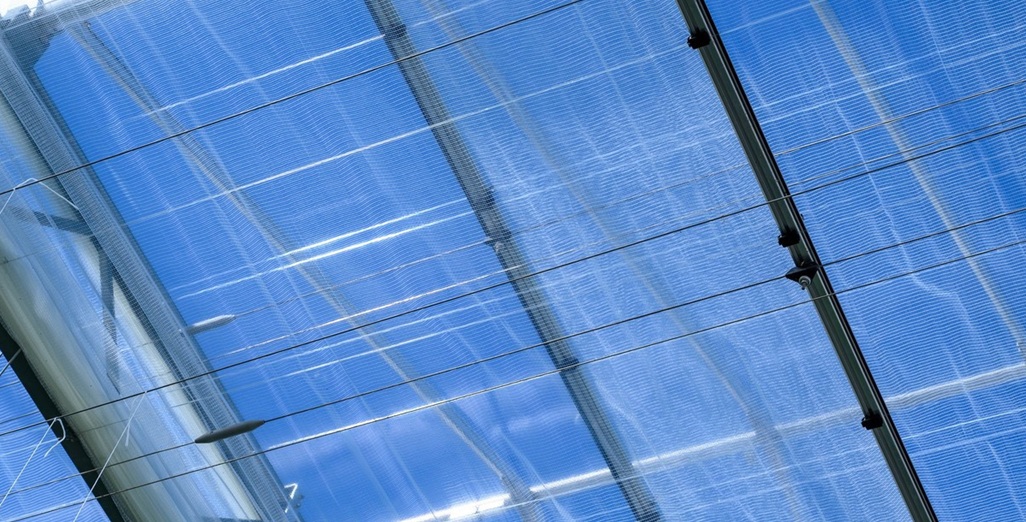
New screens as a response to rising energy cost
"The cheapest energy ultimately remains the energy you do not need to purchase"
August 25, 2026
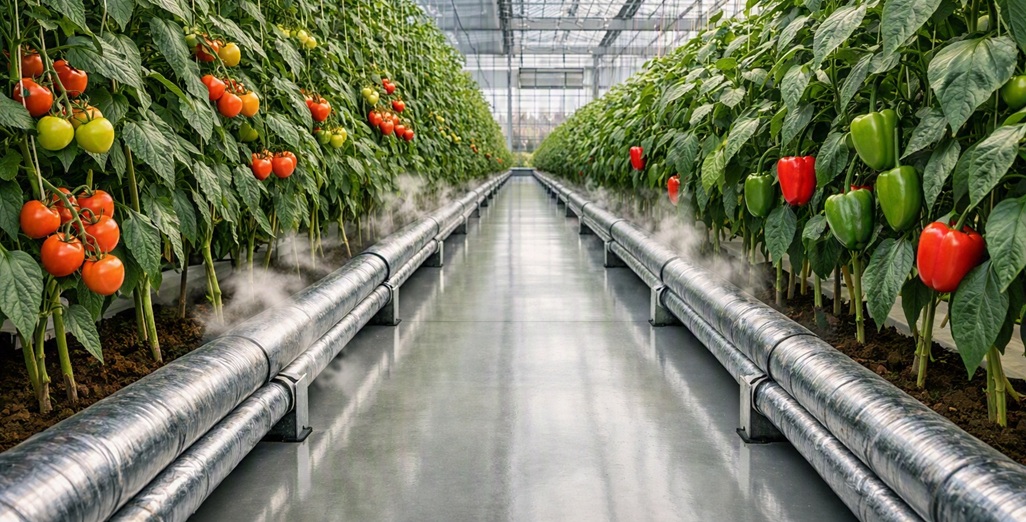
Why Are Growers Not Using the Geothermal Calculator?
A free tool has been developed specifically for New Zealand’s covered crop industry – so why aren't more growers using it?
August 11, 2026
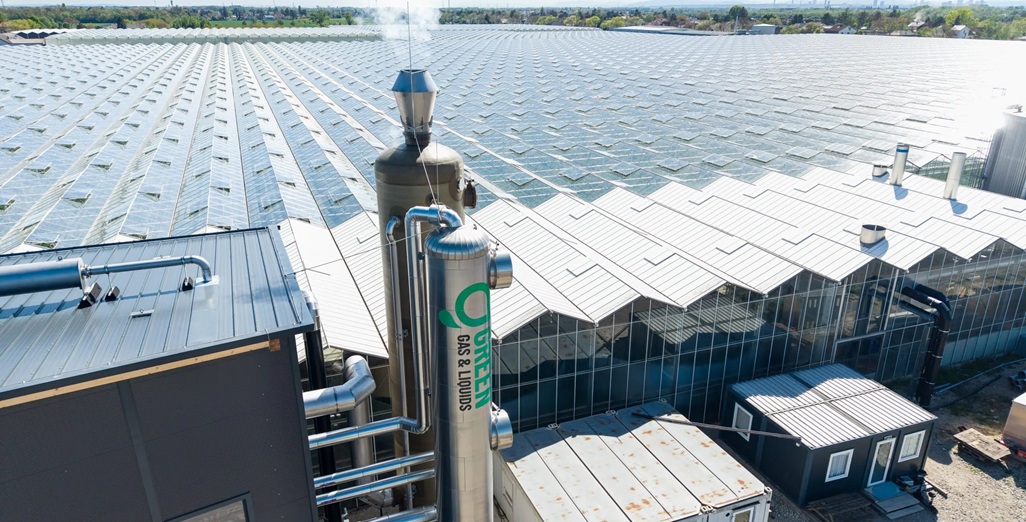
CO₂ Capture for Greenhouses Without Liquefaction —
How Galloxol® Changes the Economics
July 14, 2026
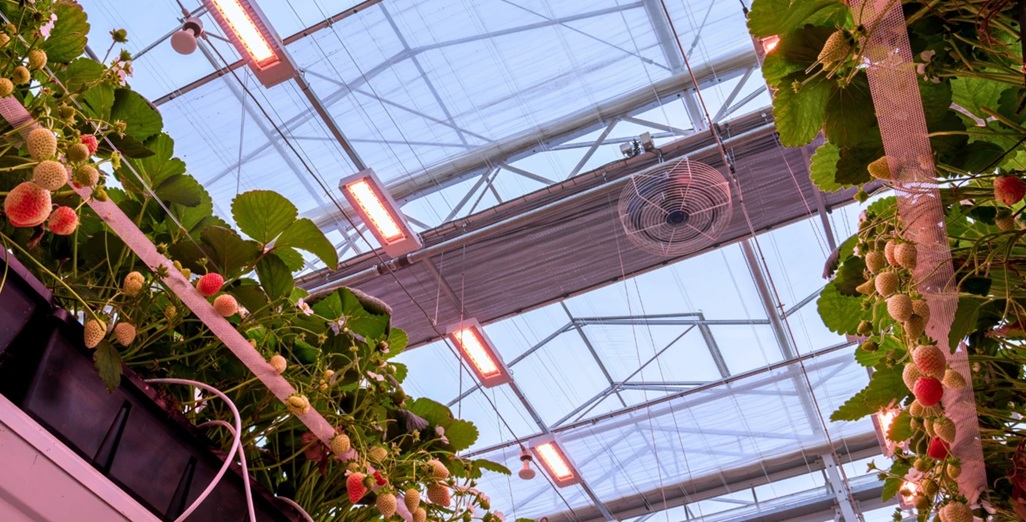
More air movement, fewer gaps, more energy savings
"The major challenge in the energy transition is to continue growing healthy and vital crops with less energy"
June 1, 2026
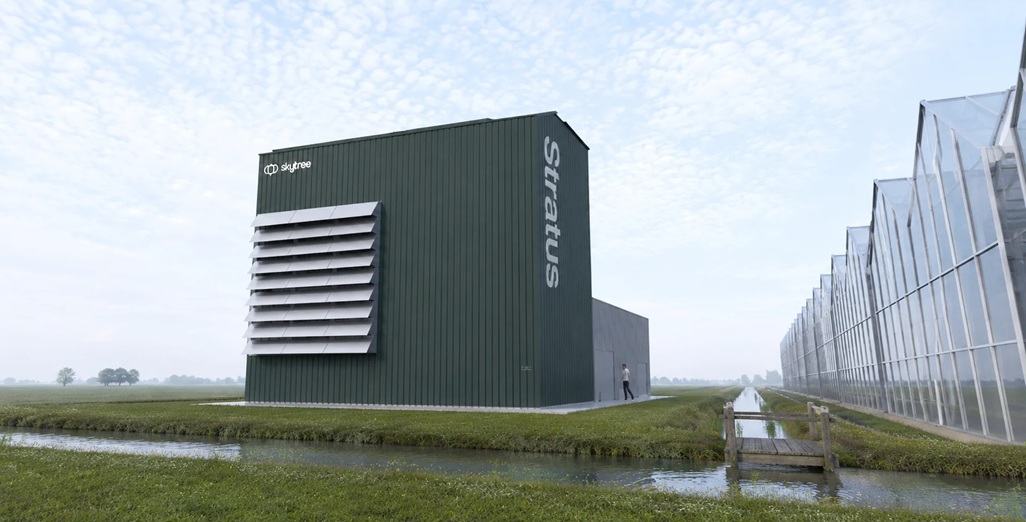
A major milestone has been reached in Direct Air Capture and agriculture
Strategic alliance will establish a decentralized, fossil-free CO₂ supply for a vital greenhouse cluster in the Netherlands that spans 80 hectares
June 1, 2026
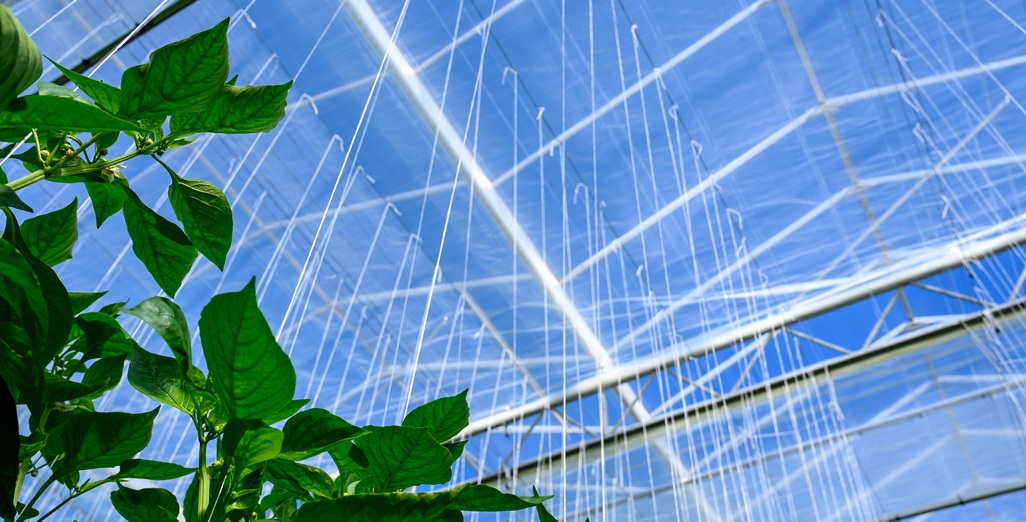
Phormium launches a new ultra-transparent energy screen: Diamond
The leading Belgian climate screen manufacturer Phormium announces the introduction of a brand-new revolutionary energy screen:
CLASSIFIED