

Sign up here to subscribe to the Grower2grower Ezine. Every two weeks you will receive new articles, specific to the protected cropping industry, informing you of industry news and events straight to your inbox.
23
Dec 2021
Dec 2021
Four Seasons in One Day

Light levels still good enough for increase in production:
At the end of May of this year a grower, I consult to, produced 61.5 kg per m2 from a crop of loose round standard tomatoes that was in the greenhouse for less than 11 months from planting to pull out. What made this achievement even more impressive was this crop has no Co2 enrichment! It was a crop where pinching the head in my book was a crime as it would have easily have produced for another month tipping the production well over 65m2. However, even growers need a holiday.
The greenhouse is a standard Venlo, well over 15 years old, so not overly modern. Each year production has been increasing and this particular crop’s production was another benchmark for future crops. Working with the grower, on a weekly basis, it is encouraging that this year’s crop registration is showing a .4kg m2 increase compared to last year’s crop after the first 3 full weeks picking. Same planting dates, same variety, same plant spec from the nursery. It may not seem that important but it is a positive trend. None more for the fact this is the second season growing in the same coir substrate. Which for anyone who knows me, growing in second season substrate is not something I am a big fan of.
The start of spring was fantastic but since then we have had a rocky two or three weeks with severe weather systems up and down the country. There has been rain, which I am not knocking because our farmers need rain. There has been a lot of wind, I had to pull down a palm tree which was going to fall on my house week before last! Not least it has been quite chilly. Even though it has been four seasons in one day for every day in the past few weeks the light levels have been good, proof of this is the increase in production I have noticed. I have been quite impressed with the plant health and the general quality of plants I have seen.
Another grower, I visit, increased his loose round tomato density back to 3.3 heads/m2 will achieve 8 trusses on the extra stems before pinching the heads. This crop is picking extremely well and the hard work the grower did in May and June, when prices were the lowest in memory, is now paying off. With plant strength the key driver, despite the weather being variable, there has been enough light to load this plant to its potential. There is a case to carry higher fruit numbers but with the size sweet spot of 60-70mm there was a higher risk that too much fruit would fall into the 50-60mm fruit size category.
My advice (tomatoes) is when the sun does appear that you use it to your advantage. Basically, increase day temperature on light. The only constraint there could be right now is if your crop has root issues. Fruit loading can always be reduced but right now I would be running with speed because average weekly light levels are not that bad. Don’t be reckless, but if you don’t try and get your plants production potential then you may be missing out on vital production.
I appreciate your comments. Please feel free to comment on the grower2grower Facebook page:
https://www.facebook.com/StefanGrower2grower/
Article Written by Stefan Vogrincic, Consultant, Grower2Grower
Article Edited by Marie Vogrincic, Editor, Grower2Grower
CLASSIFIED











Photo
Gallery


Subscribe to our E-Zine
More
From This Category
September 7, 2026
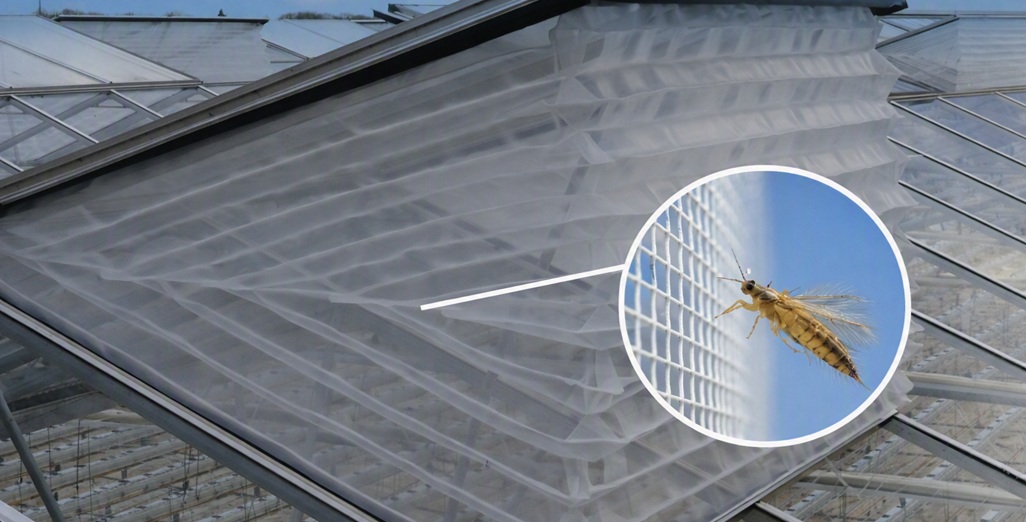
Keeping the Door Shut: Are Insect Screens the Next Step in Greenhouse IPM?
As thrips and other pest pressures continue to increase, it may be time to rethink how we stop pests entering the greenhouse in the first place. As we head into spring, and following the recent Mini Covered Cropping NZ Conference, one pest issue continues to stand out: the ever-increasing threat posed by thrips.
August 11, 2026
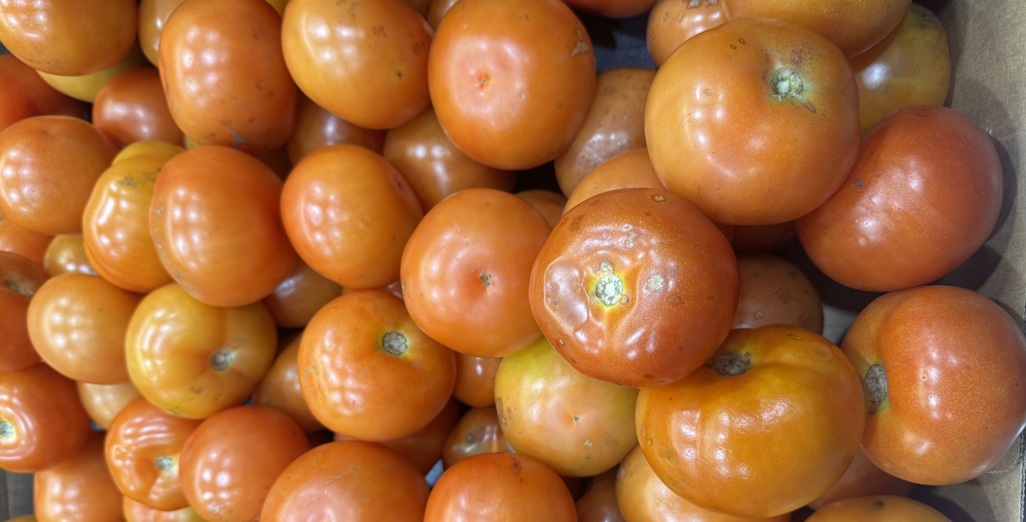
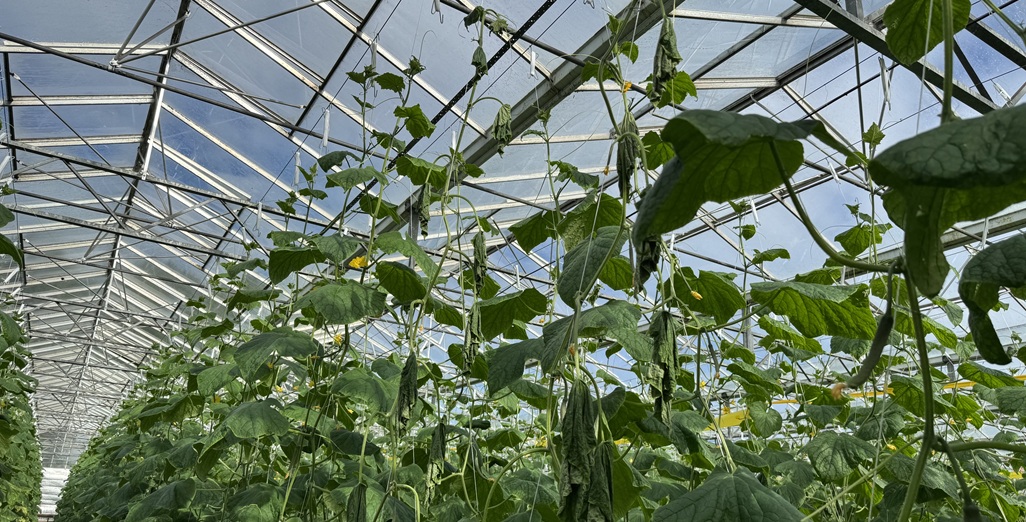
Cucumber Grafting: Insurance Policy or Unnecessary Cost?
Grafting can provide a stronger root system and valuable insurance against root-zone problems – but it won’t protect the canopy from fungal disease.
July 27, 2026
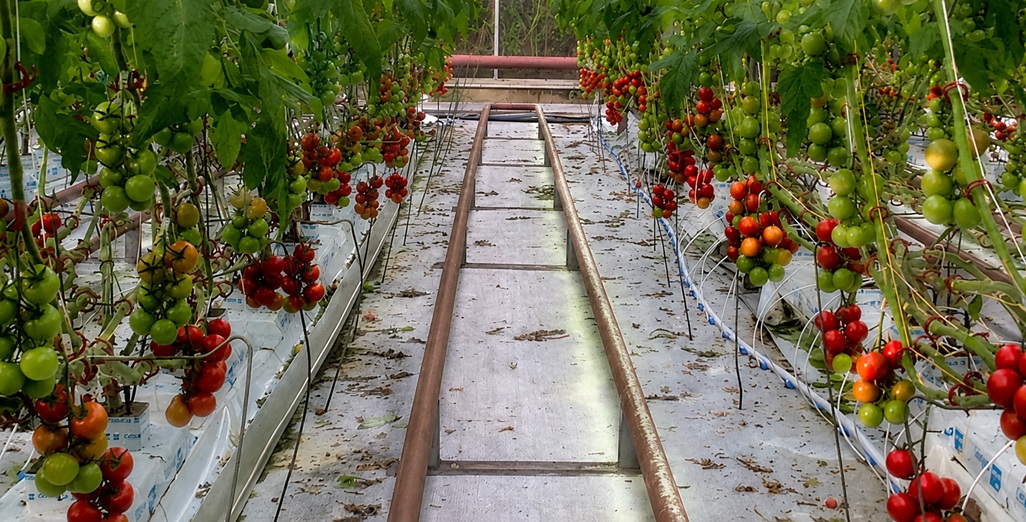
Combating Leaf Mould and Powdery Mildew in Greenhouse Tomatoes 2026
It's been eight years since I first wrote about controlling leaf mould. While many of the principles still apply, growers now have more tools available, making it a good time to revisit what works and where disease management is heading.
July 27, 2026
GrowWise smart spectrum helps growers save energy or boost crop growth through automated spectrum optimization
“With just a few clicks, we achieved approximately 2% more light on the crop”
July 13, 2026
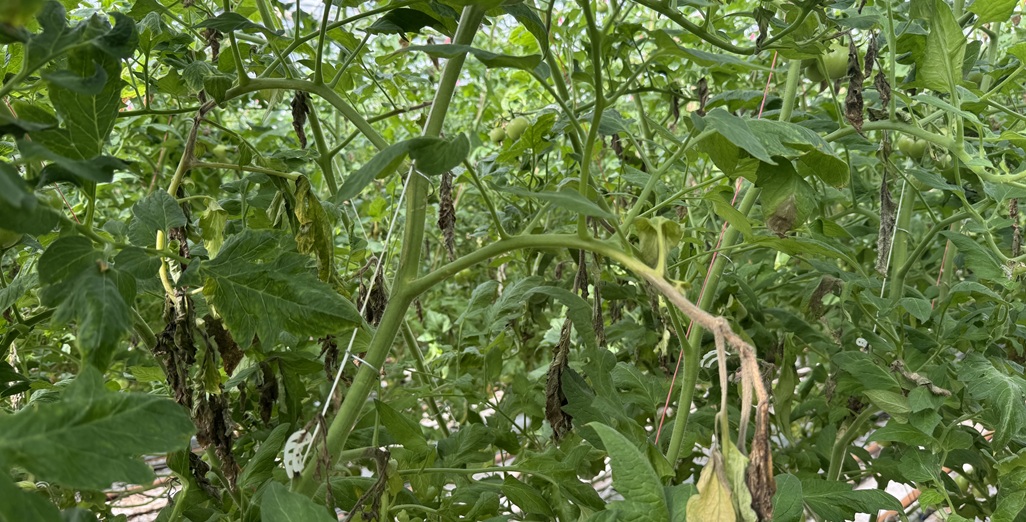
Why Botrytis has become such a challenge this winter
The objective is not to grow a vegetative crop or a weak generative crop. The objective is to grow a balanced crop with enough vigour to support the fruit load while maintaining healthy leaf quality.
CLASSIFIED