

Sign up here to subscribe to the Grower2grower Ezine. Every two weeks you will receive new articles, specific to the protected cropping industry, informing you of industry news and events straight to your inbox.
An in-depth look at the ground-source heat pump system heating Stewarts Garden Centre in England and the opportunities this technology may offer commercial greenhouse growers in New Zealand.
By Stefan Vogrincic
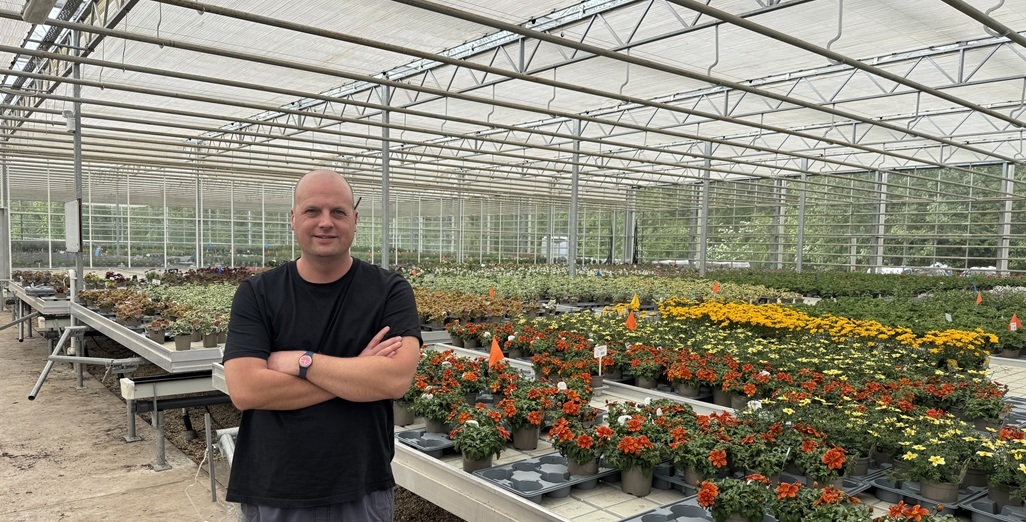
Stewarts Garden Centre near Wimborne, England, was one of the more impressive horticultural businesses I visited during my recent trip to the UK. While the nursery itself is extremely well presented, my main interest was to better understand the greenhouse heating system they have invested in and how this type of technology may fit within modern greenhouse production moving forward.
Stewarts is a long-established family business with several garden centre locations across southern England. The Wimborne site combines a retail nursery, greenhouse production, café, and home and garden retail store into a very polished operation. Like many leading UK garden centres, the experience is designed to be far more than simply purchasing plants. The café was constantly busy during my visit and had the feel of a high-end restaurant, while the retail area included everything from indoor plants and giftware through to outdoor landscaping products and seasonal displays. It was very clear that customer experience and presentation are a major focus of the business.
From a growing perspective, Stewarts produces a wide range of nursery plants, bedding plants, perennials, shrubs, vegetable seedlings, herbs, and seasonal colour lines for both retail sales and their own garden centres. The greenhouse facilities themselves were modern, clean, and extremely well maintained.
The real reason for my visit, however, was to look at the geothermal ground-source heat pump system that heats sections of the greenhouse operation.
Energy costs in the UK are currently extremely high compared with New Zealand. During discussions on site, electricity pricing was described as sitting around 22 pence per kWh, which converts to approximately NZ$0.50 per kWh. Considering those energy prices, the efficiency of the heating system was particularly impressive.
The system at Stewarts uses what is known as a horizontal closed-loop ground-source heat pump system. Beneath a nearby paddock sits an extensive network of underground pipes buried at relatively shallow depth, generally between one and two metres below the surface. A water and glycol solution circulates continuously through these underground loops, absorbing low-grade heat stored naturally within the soil.
That heat is then returned to the heat pump system, where it is upgraded into usable heating energy for the greenhouse. One of the interesting comments made during the visit was that the system may only be extracting around two degrees of temperature from the underground loop itself, yet this is enough for the heat pumps to operate very efficiently.
The major advantage of ground-source heating over conventional air-source heat pumps is consistency. Air-source heat pumps lose efficiency rapidly during extreme cold weather because they rely on extracting heat from cold outside air. Ground temperatures, however, remain remarkably stable throughout the year. This allows the heat pump to maintain a much more stable coefficient of performance (COP), even during winter conditions.
At Stewarts, the system was reportedly maintaining a COP consistently above 3:1 through winter. In simple terms, for every one unit of electricity used, the system was producing more than three units of heating energy. In greenhouse production, where heating demand can become enormous during winter, this type of efficiency has major implications for operating costs.
Another very interesting point raised during discussions was the impact on electrical infrastructure. Because the ground-source system maintains a more stable efficiency and electrical demand profile, peak electrical loads can be reduced significantly compared with air-source systems. This is important because electrical transformers and substations are sized according to peak load demand. In some projects, avoiding major substation upgrades through the use of ground-source systems has reportedly saved millions of dollars in capital costs.
What impressed me most was not just the technology itself, but how practical and commercially focused the system appeared to be. The greenhouse environment during my visit felt very stable and well controlled despite the colder outdoor conditions. Minimum greenhouse temperatures through winter were reportedly maintained around 6°C, which for nursery production is very workable.
As greenhouse businesses globally begin facing increasing pressure around carbon reduction, energy security, and rising fuel costs, systems like this are becoming increasingly relevant. While the upfront capital investment is significant, the long-term efficiency gains and reduction in fossil fuel dependency are clearly attractive.
My visit to Stewarts reinforced how quickly greenhouse heating technology is evolving internationally. For New Zealand growers, particularly larger operations with high annual heating demand, these types of systems may become increasingly important to investigate over the coming decade.
A special thank you to Rob Ayre, Manager of the Wimborne site, for generously giving his time to show me around the operation and explain the greenhouse production and heating systems. His insights into the practical application of the ground-source heat pump technology were greatly appreciated and added significant value to the visit.
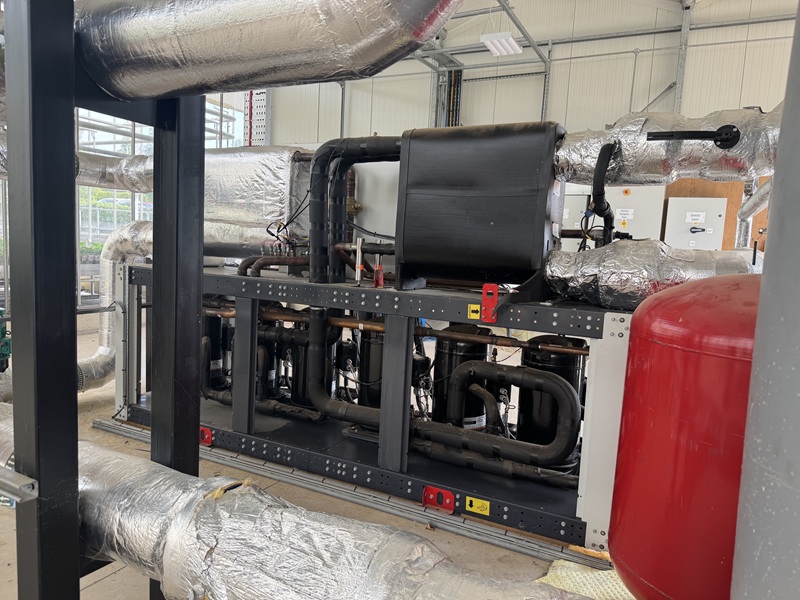
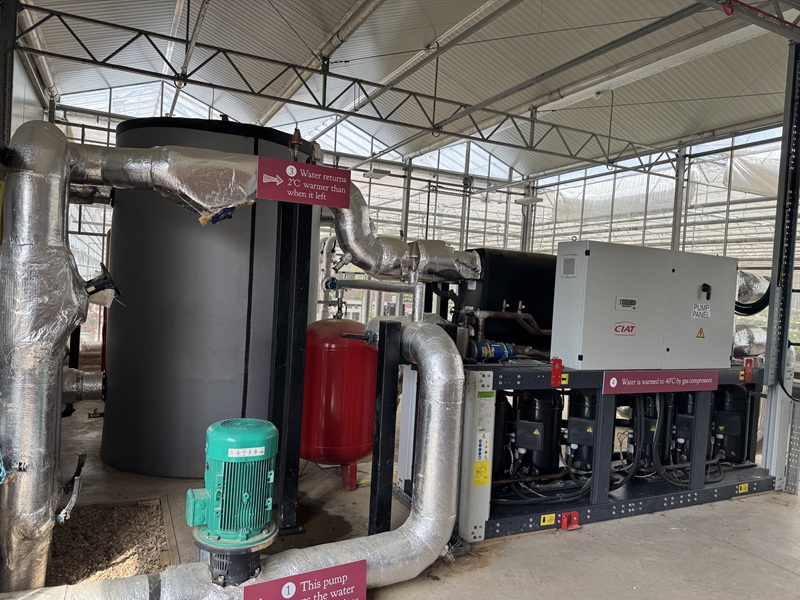
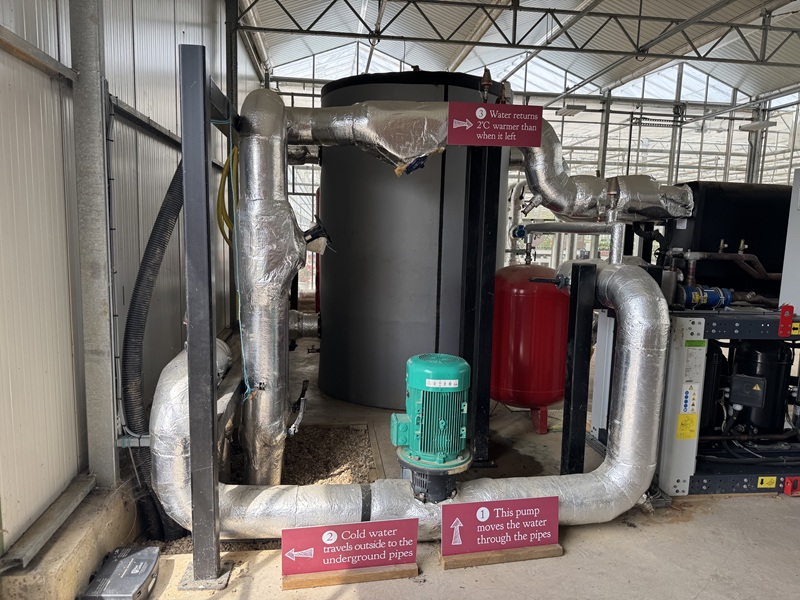
Interestingly, the heat pump only needed to extract enough heat energy to cool the circulating ground-loop fluid by around 2°C. The compressors then upgraded this low-grade heat to produce heating water of approximately 40°C for the greenhouse. The ability to achieve this while maintaining a coefficient of performance (COP) greater than 3:1 was a strong demonstration of the efficiency of the ground-source system.
this visit would not have been possible without the assistance of Celia Wells.
Celia Wells from GeoExchange NZ provided valuable support in facilitating this visit via her industry connections in the UK.
If you are interested in this project and would like to learn more about how a similar system could be implemented in New Zealand, please contact Celia Wells at cwells@geoexchange.nz.
For more information, visit www.geoexchange.nz.
CLASSIFIED


















Photo
Gallery











Subscribe to our E-Zine
More
From This Category
August 25, 2026
Why Are Growers Not Using the Geothermal Calculator?
A free tool has been developed specifically for New Zealand’s covered crop industry – so why aren't more growers using it?
August 11, 2026
CO₂ Capture for Greenhouses Without Liquefaction —
How Galloxol® Changes the Economics
July 14, 2026
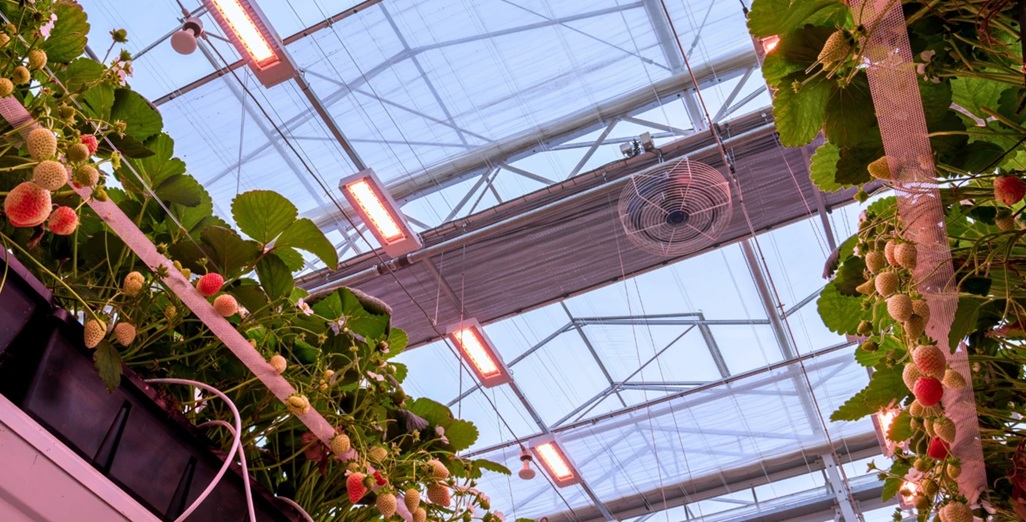
More air movement, fewer gaps, more energy savings
"The major challenge in the energy transition is to continue growing healthy and vital crops with less energy"
June 1, 2026
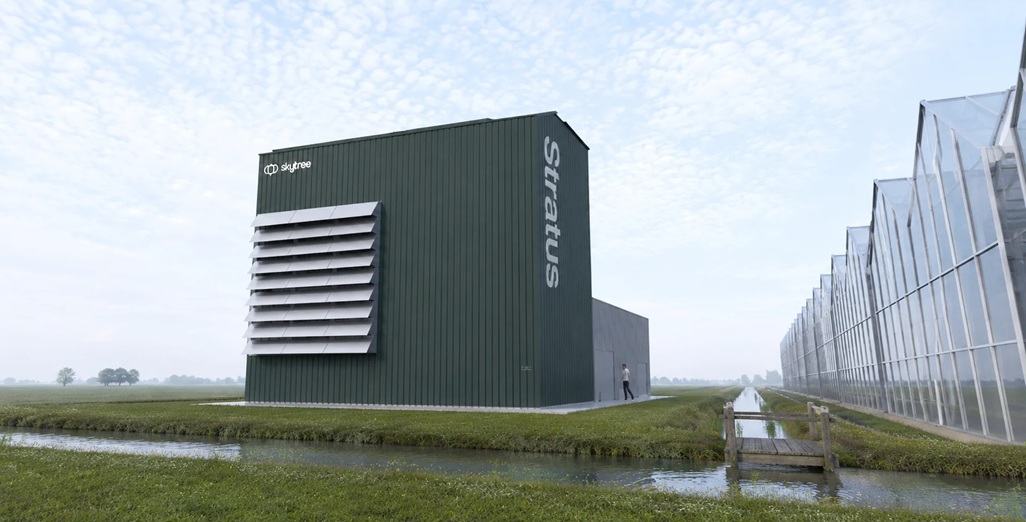
A major milestone has been reached in Direct Air Capture and agriculture
Strategic alliance will establish a decentralized, fossil-free CO₂ supply for a vital greenhouse cluster in the Netherlands that spans 80 hectares
June 1, 2026
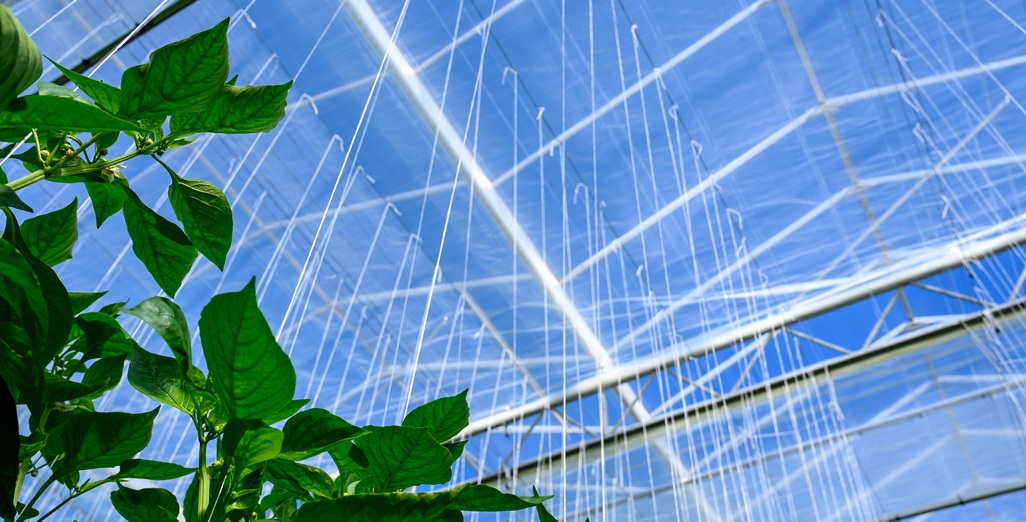
Phormium launches a new ultra-transparent energy screen: Diamond
The leading Belgian climate screen manufacturer Phormium announces the introduction of a brand-new revolutionary energy screen:
June 1, 2026
Ground-Source Heating: Lessons from a Leading UK Greenhouse Operation
An in-depth look at the ground-source heat pump system heating Stewarts Garden Centre in England and the opportunities this technology may offer commercial greenhouse growers in New Zealand.
CLASSIFIED