

Sign up here to subscribe to the Grower2grower Ezine. Every two weeks you will receive new articles, specific to the protected cropping industry, informing you of industry news and events straight to your inbox.
15
Jun 2026
Jun 2026
Winter Bites
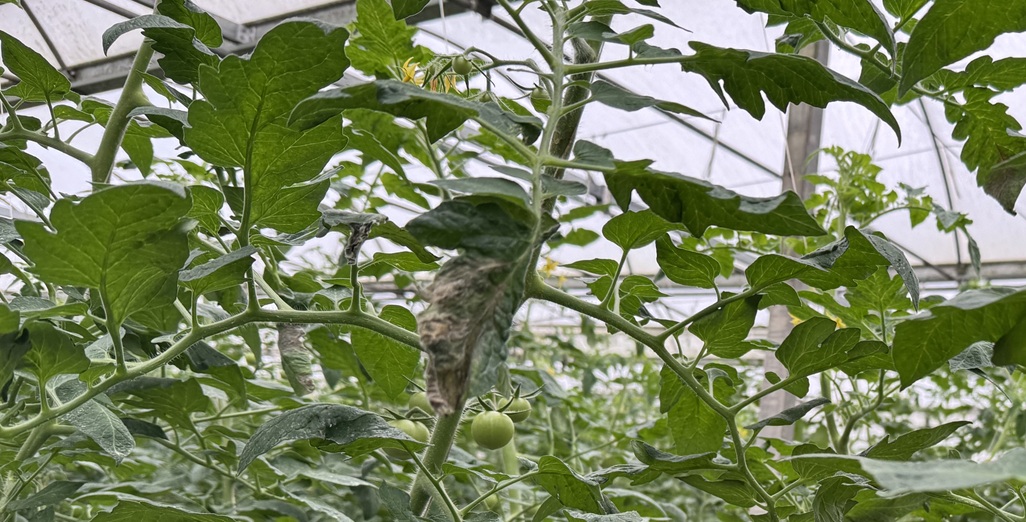
Low Light, High Disease Pressure and the Importance of Keeping Crops Generative
Winter is often the period that determines whether a crop finishes profitably or simply survives until spring. The next three months will test growers’ ability to manage light, energy, disease pressure and plant balance more than any other time of the year.
As light levels decline and cold, wet weather becomes more frequent, we begin to see the typical winter challenges emerge. Across a number of sites I have already noticed the first signs of Botrytis and blight appearing. Once conditions favour these diseases, they rarely move backwards without intervention.
With energy costs remaining high and many growers who traditionally relied on waste oil now facing little or no supply, the weather will have a major influence on business performance over the coming months. A cold snap can actually be beneficial for growers with a stable heating and energy supply, as it allows them to maintain plant activity and crop balance while others struggle. However, growers who are only maintaining minimum temperatures will largely be at the mercy of cold southerly winds and extended periods of poor weather.
The challenge is that every degree of heat saved often comes with a hidden cost. Colder crops dry down more slowly, humidity remains higher for longer and diseases such as Botrytis, leaf mould and blight quickly gain the upper hand. While reducing energy costs may provide short-term savings, it can sometimes create larger production and crop protection costs later.
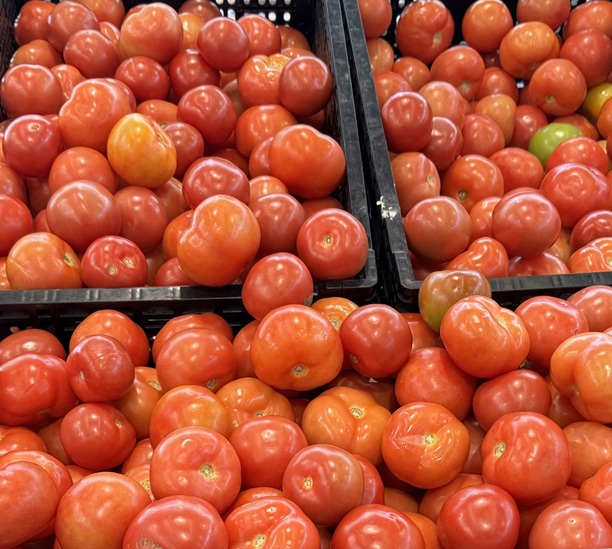
One thing I have noticed recently is the significant variation in product quality appearing on retail shelves. In some cases, the difference in quality between stores of the same retailer in different towns is remarkable. This highlights the challenges growers face in maintaining consistency through winter and reinforces the importance of strong climate and crop management.
Another issue that continues to concern me is the impact of Pepino Mosaic Virus (PepMV) on winter production. Fortunately, restrictions on Australian tomato imports remain in place, meaning the risk of Tomato Brown Rugose Fruit Virus (ToBRFV) entering New Zealand is currently as low as it can realistically be. However, there remains uncertainty around the extent of ToBRFV’s presence in Australia. It is difficult to know exactly what is happening between local and federal authorities, and growers who suspect they have the virus are unlikely to be eager to draw attention to their situation.
My biggest concern remains that New Zealand growers still do not have access to approved vaccination or inoculation options for PepMV management. We are currently managing PepMV without some of the tools available to growers in other countries. If ToBRFV were to arrive before additional PepMV management options become available, the industry could find itself dealing with two significant viral challenges at the same time. The consequences of that scenario could be severe.
For this reason, I have encouraged growers to begin trialling ToBRFV-resistant varieties now. While these varieties have been developed to tolerate ToBRFV, it is equally important to understand how they perform under New Zealand conditions and how they react to PepMV infection. Different varieties clearly show different responses to PepMV, and growers need to start building knowledge before a crisis occurs rather than after one. In some respects, I would almost like to see these varieties challenged by PepMV so we can better understand their strengths, weaknesses and visual symptoms under local growing conditions.
Hopefully, through the ongoing work of Covered Cropping New Zealand and industry stakeholders, we will move closer to practical solutions for PepMV management. There is still a long way to go, but progress is being made.
Winter Crop Protection Starts with Plant Balance
With energy expensive and, in some cases, simply unavailable, crop protection this winter will depend heavily on maintaining plant balance and avoiding conditions that favour disease development.
The most successful growers over the next three months will be those who keep crops slightly generative and avoid creating soft, lush plants that become highly susceptible to disease pressure.
Root health remains critical throughout winter. Cold, saturated root zones are often the starting point for many crop problems. If roots are not active, plants cannot effectively utilise the limited light available and growers quickly find themselves chasing symptoms rather than addressing the underlying cause. Healthy roots remain one of the best forms of crop protection available.
Early Winter Growing Tips
- Keep plants generative and avoid excessive vegetative growth.
- Be very careful not to overwater. Track dry-downs closely and avoid leaving excessive water in slabs or bags overnight.
- Start irrigation later on dull days and finish earlier to encourage healthy root activity and improve overnight dry-downs.
- Maintain sufficient minimum pipe temperatures during the day to keep plants active and help drive moisture from the canopy. (if you are not heating then above advice has higher importance for you)
- Manage humidity aggressively. High humidity periods create ideal conditions for Botrytis, leaf mould and other winter diseases.
- Remove diseased leaves, flowers and crop debris promptly. Good hygiene becomes even more important as temperatures fall.
- Monitor bee activity closely. Poor pollination often becomes more apparent during winter due to reduced bee movement and lower flower activity. (Check your beehives!)
- Avoid chasing production with excessive nitrogen. Soft growth is far more susceptible to disease and difficult to manage during prolonged low-light periods.
- For cucumbers, resist the temptation to push growth during low-light periods. Focus on maintaining stable growth rates and use temperature and irrigation strategies to control growth speed. Soft, fast-growing cucumber crops can quickly become difficult to manage once disease pressure increases.
- For tomatoes, ensure truss pruning and fruit load remain aligned with available light levels. Winter production is driven by accumulated light, not by forcing temperatures higher than the available light can support.
- Keep a close eye on condensation points within the greenhouse. Moisture on leaves, gutters, wires and structures is often an early warning sign that disease pressure is about to increase.
Making Every Unit of Light Count
Winter rewards disciplined growers. The crops that come through in the best condition this spring will not necessarily be those that received the most inputs, but those where every irrigation, temperature setting and crop protection decision was carefully matched to the available light.
As always, light remains the key driver of production. Successful winter management is about making every joule of energy and every mole of light count while maintaining healthy roots, balanced plants and a clean crop. Those growers who can achieve that balance will give themselves the best opportunity to deliver both quality and profitability through the toughest growing period of the year.
CLASSIFIED















Photo
Gallery







Subscribe to our E-Zine
More
From This Category
September 7, 2026
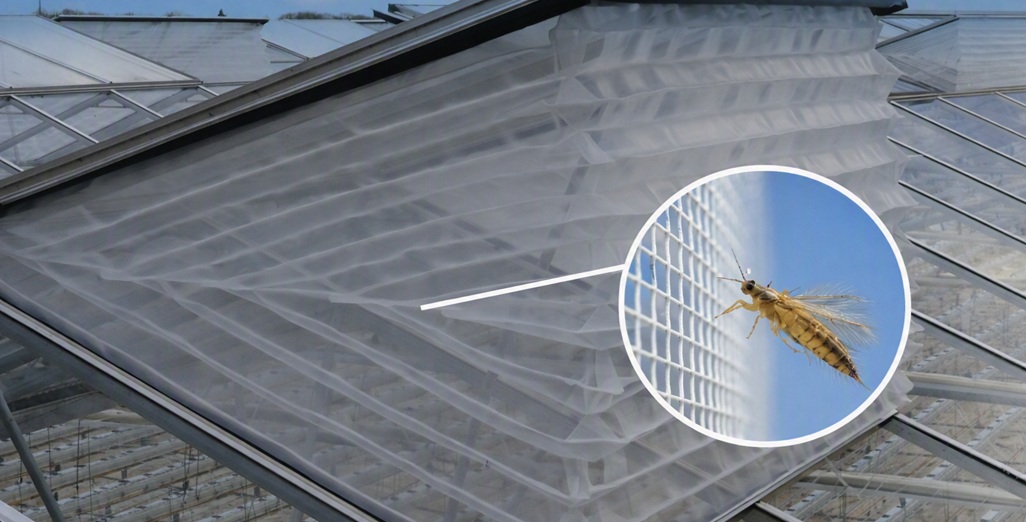
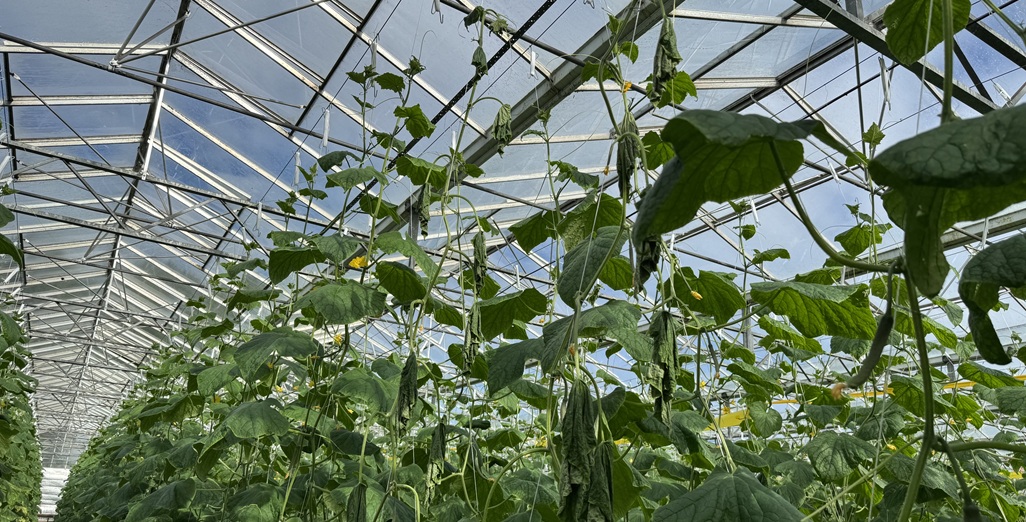
Keeping the Door Shut: Are Insect Screens the Next Step in Greenhouse IPM?
As thrips and other pest pressures continue to increase, it may be time to rethink how we stop pests entering the greenhouse in the first place. As we head into spring, and following the recent Mini Covered Cropping NZ Conference, one pest issue continues to stand out: the ever-increasing threat posed by thrips.
August 11, 2026
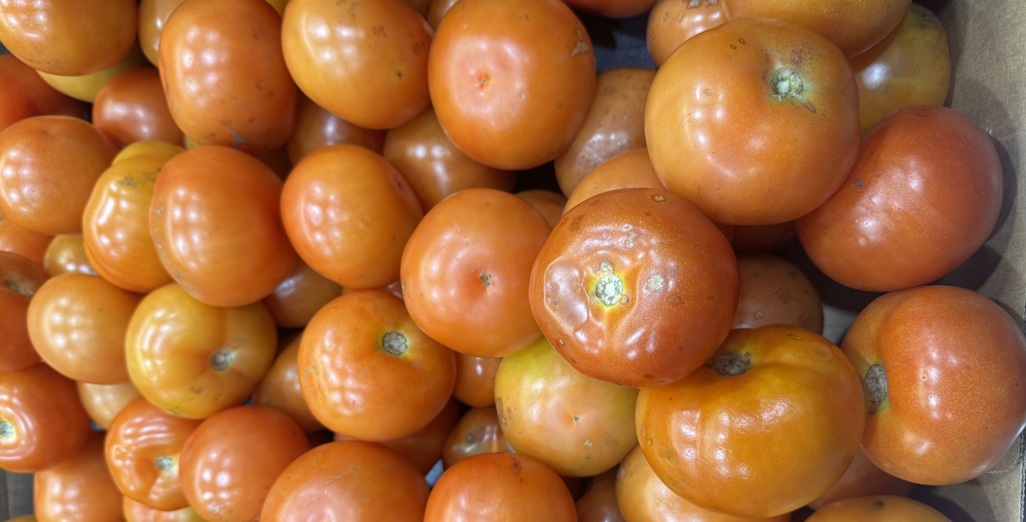
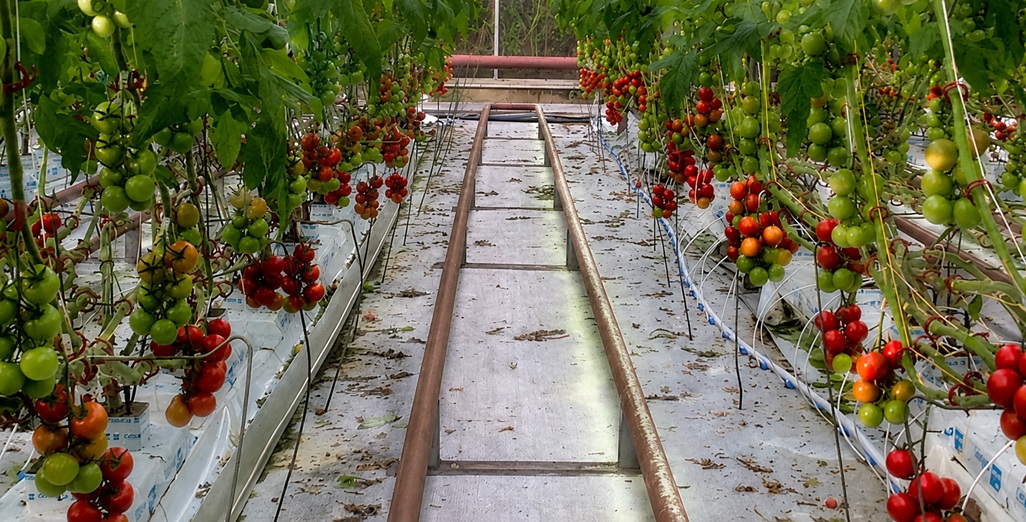
Cucumber Grafting: Insurance Policy or Unnecessary Cost?
Grafting can provide a stronger root system and valuable insurance against root-zone problems – but it won’t protect the canopy from fungal disease.
July 27, 2026
Combating Leaf Mould and Powdery Mildew in Greenhouse Tomatoes 2026
It's been eight years since I first wrote about controlling leaf mould. While many of the principles still apply, growers now have more tools available, making it a good time to revisit what works and where disease management is heading.
July 27, 2026
GrowWise smart spectrum helps growers save energy or boost crop growth through automated spectrum optimization
“With just a few clicks, we achieved approximately 2% more light on the crop”
July 13, 2026
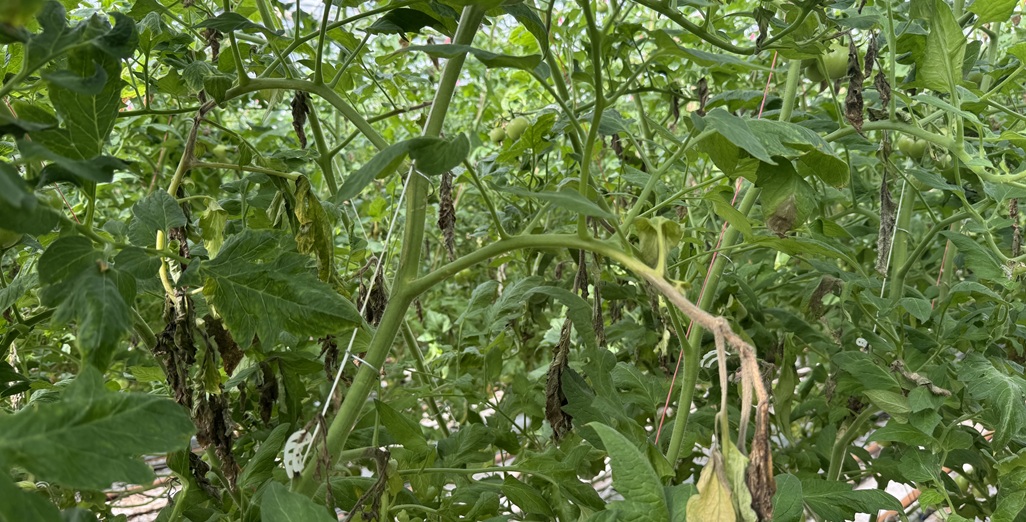
Why Botrytis has become such a challenge this winter
The objective is not to grow a vegetative crop or a weak generative crop. The objective is to grow a balanced crop with enough vigour to support the fruit load while maintaining healthy leaf quality.
CLASSIFIED