

Sign up here to subscribe to the Grower2grower Ezine. Every two weeks you will receive new articles, specific to the protected cropping industry, informing you of industry news and events straight to your inbox.
29
Jun 2026
Jun 2026
Cooling off summer strawberries
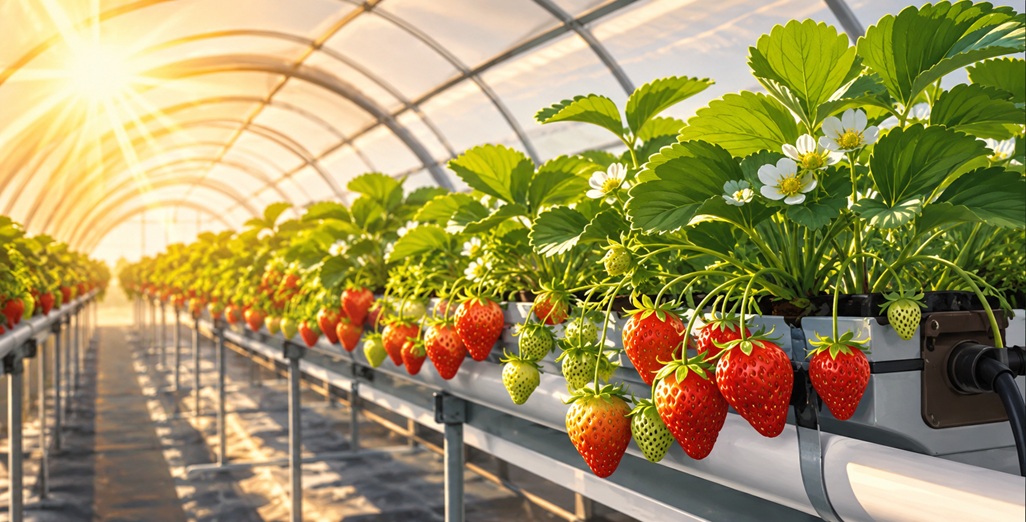
We know that high heat is bad for strawberry fruit production, reducing both numbers of flowers and the size of those flowers.
By Molly Shaw
Horticentre Charitable Trust has supported the analysis of climate data from strawberry tunnels to progress our understanding of heat mitigation options. We are grateful for their support!
There are multiple points in strawberry fruit development where temperatures impact fruit size.
- Cool temperatures enhance the switch from a vegetative meristem to a flowering meristem. Hot temperature shut down flower production. Strawberry cultivars are classified either as “short day” or “long day” plants, meaning different cultivars respond to day length by making flowers when days are “short” or day lengths are “long.” However, temperature also plays a controlling role. When temperatures are low enough, strawberry flower production is enhanced, regardless of day length. When temperatures are hot enough, fewer or no flower primordia develop, regardless of day length.
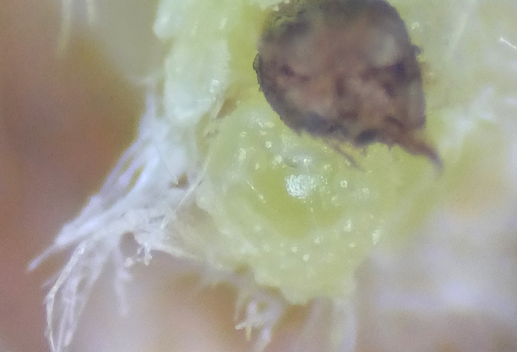

- Cool temperatures during flower initiation lead to bigger flower initials. Flower initiation and primordial flower development all happens microscopically at the meristem which is deep inside the crown of the plant. The slower these processes happen, the bigger those flower primordia become (more carpels, which turn into achenes). Lower temperatures favour large flower primordia. There is a direct and close correlation between big flower initials, big flowers, and subsequently big fruit. Big fruit have more seeds (achenes). Temperatures affecting flower initiation and differentiation will be felt in fruit size at harvest in 8-12 week’s time. That’s a 2-3 month delay!
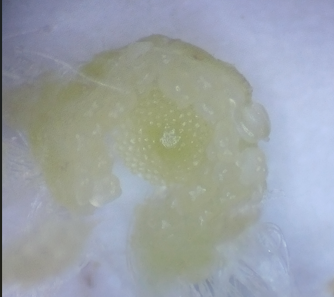
- Hot temperatures just prior to flower opening reduce pollination success and subsequent fruit size
- Hot temperature during fruit ripening shorten the ripening time, giving less time for fruit to size, resulting in smaller berries
We all experience that berry size gets smaller in the heat of summer. We can look at the berry size in the NZBP trials grown in Auckland and in Lincoln, and see that Lincoln fruit is bigger. While average fruit size peaks at 40 grams/berry in mid-November in Auckland, it’s down around 10-12 grams/fruit by January. Lincoln fruit size dips in February too, but not as low and it comes back to nicely sized fruit in the later summer. We might even dare to generalize, given the fruit size in the NZ supermarkets in the summer, that strawberry suppliers into the wholesale channels also feel the fruit-shrinking effects of hot weather.
The Australian Berry Journal has had several good articles recently which help to define optimal temperatures for strawberry fruit production.
- Hot days >25°C lead to smaller fruit
- Cool nights (8-15°C) lead to larger fruit
- Light intensity under 1000 umol/m2 per sec, (Photosynthetically Active Radiation)
How do Light levels impact on heat stress?
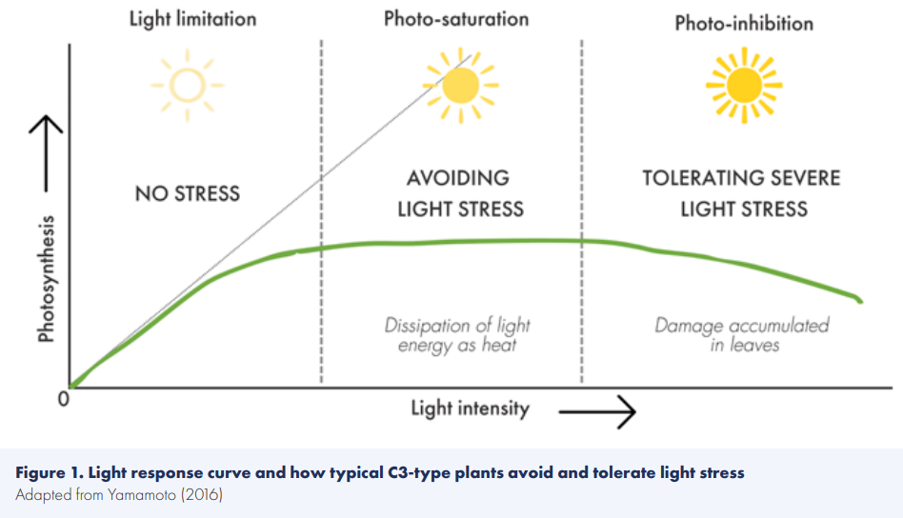
Our summer light levels are higher than the saturation point for berryfruit for the majority of the day on most days in the summer. Leaves sitting in the sun use the light energy for photosynthesis, but their systems max out around 1000 umol/m2 per sec, (Photosynthetically Active Radiation). As the sun shines on, the plant dissipates extra light energy as heat. At a certain point, the plants’ ability to shed that extra heat is also maxed out, and the plant experiences stress, lowering productivity. Consider the following illustration (Australian Berry Journal edition 26):
When the ambient temperatures are hot, plants are less able to utilize and then dissipate the excess light than when it’s cool. Logically, plants under water stress are also less able to cool themselves with transpiration, and experience heat stress at lower temperatures and light levels.
We can analyse the environment in our tunnel houses and see where we can make improvements.
Venting:
Berryworld looked at climate data from one strawberry tunnel in both 2024/25 and in 2025/26. In the first season between December and February, 2/3 of the days got above 25°C. January was the hottest, with afternoons in the tunnel averaging 5°C above outside temperatures, and some days where inside was 10°C hotter than outside.
Extensive work has been done with greenhouse ventilation, the difference between indoor and outdoor temperatures (temperature “rise” inside) can be used to check whether venting is optimized.
| Air changes per min | Temp rise in Unshaded structure | Temp rise in Shaded structure |
| 1.2 | 5°C | 10°C |
| 2.3 | 2.5°C | 5°C |
| 4 | 1.5°C | 3°C |
If inside is 10°C hotter than outside, the structure is only getting 1.2 air exchanges per minute. If the indoor temperature rise is 5°C, the structure is getting 2.3 air exchanges per minute. If indoor temperature is only 3 degrees above outside, venting has been optimized. If the structure is shaded, the optimal venting would be expected to reduce the indoor temperature to less than 2 degrees above outside.
The following season, the tunnel manager improved the ventilation, planning the tunnel venting for earlier in the season, with higher lifts of the plastic. The indoor/outdoor temperature differential was less than 2°C, a big improvement, though it was also an overall cooler season than the previous one.
Shading:
Applying shade (such as Redusol) is another way to cool a tunnel. In the 2025/26 season, the grower used shading applied in November. The result was that on afternoons where inside temperatures exceeded 25°C, the shaded area averaged 0.4°C lower than the unshaded area. A small difference but in the right direction, and this season was cool overall.
Evaporative cooling:
When relative humidity is low, evaporative cooling can be shockingly effective. Again, we thank the greenhouse engineering world for extensive research that shows us that when outside temperatures are 30-35°C and relative humidity is 50%, evaporative cooling can drop the inside temperature a whopping 7°C.
From the tunnel climate data, we can see that almost all afternoons with temperatures above 25°C, the relative humidity in the tunnel was 60% or lower. Good potential for evaporative cooling.
Berryworld has analysed tunnel climate data from two locations, one in Auckland and the other in Hawke’s Bay.
| Number of afternoons with temperatures in the tunnel above 25°C (2-4p.m. peaks) in the 2025/26 season | ||
| Month | Auckland | Hawke’s Bay |
| November | 21 | 9 |
| December | 13 | 13 |
| January | 16 | 8 |
| February | 13 | 10 |
| March | — | 0 |
Most tunnels are low tech—usually there isn’t automatic venting or shade screens that can open or close at the touch of a button.
Management decisions involve compromises. Painted-on shade can protect plants from high light and heat stress on hot summer afternoons, but will lower light levels on rainy, dull days. Evaporative cooling must be managed to avoid wetting flowers/foliage at a time of day that would increase botrytis problems. However, there are some good management options to reduce temperatures for strawberry production and therefore increase fruit size and yield.
To assess the best heat management options, growers will need some climate data, namely hourly records of temperature, relative humidity, and preferably light levels.
Growers struggle to keep records of berry size and sometimes even yield, but this is “where the rubber meets the road,” and is necessary to fine tune the right compromises for your site and systems. We are entering the realm where using AI to analyse video footage of fruit can meet this data need.
If you want to progress your understanding of management options for tunnel grown strawberries and are willing to collect the data to do so, contact Berryworld.
Molly Shaw
Plant Scientist, Managing Director
CLASSIFIED
















Photo
Gallery






Subscribe to our E-Zine
More
From This Category
September 7, 2026
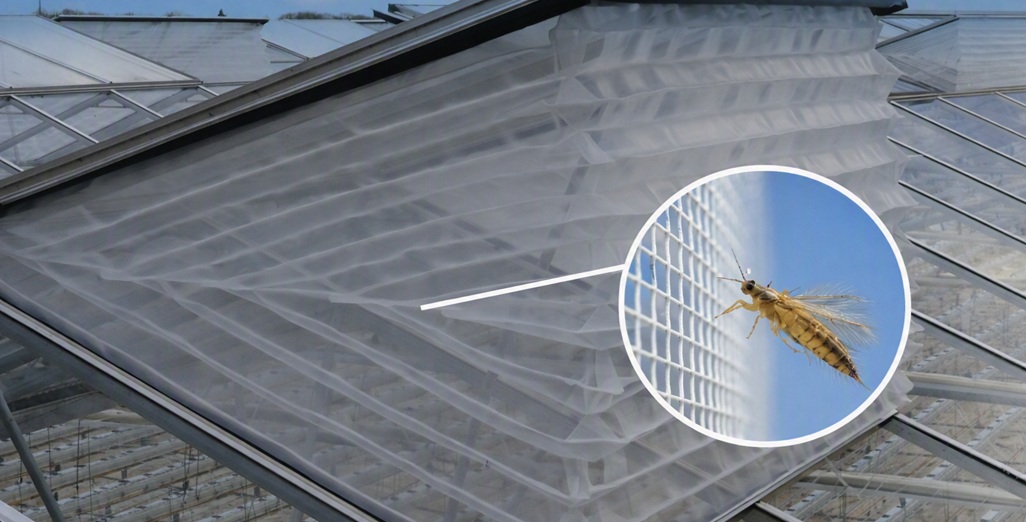
Keeping the Door Shut: Are Insect Screens the Next Step in Greenhouse IPM?
As thrips and other pest pressures continue to increase, it may be time to rethink how we stop pests entering the greenhouse in the first place. As we head into spring, and following the recent Mini Covered Cropping NZ Conference, one pest issue continues to stand out: the ever-increasing threat posed by thrips.
August 11, 2026
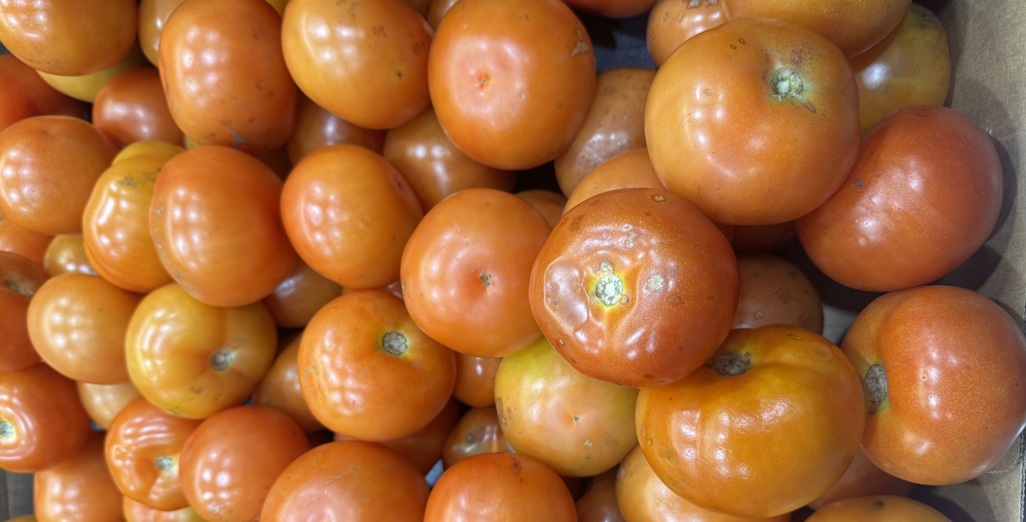
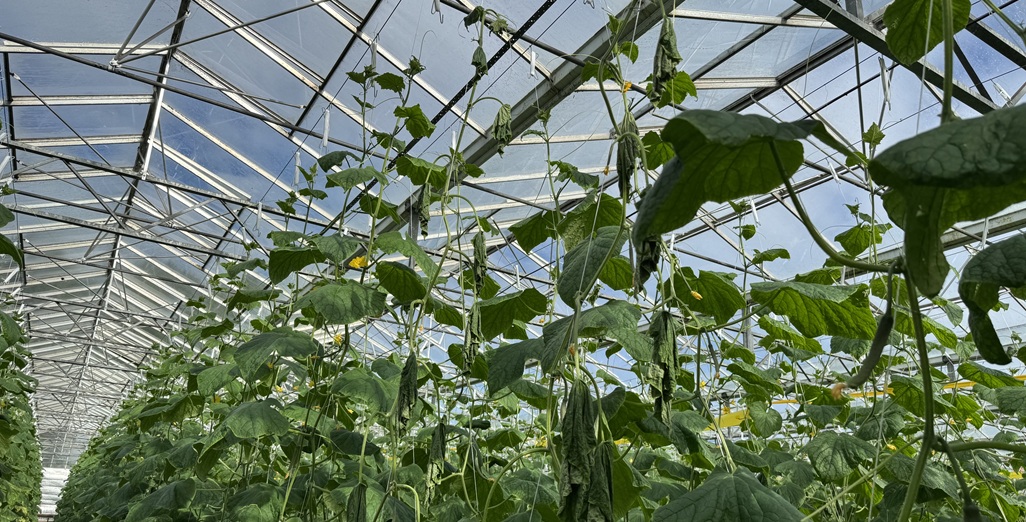
Cucumber Grafting: Insurance Policy or Unnecessary Cost?
Grafting can provide a stronger root system and valuable insurance against root-zone problems – but it won’t protect the canopy from fungal disease.
July 27, 2026
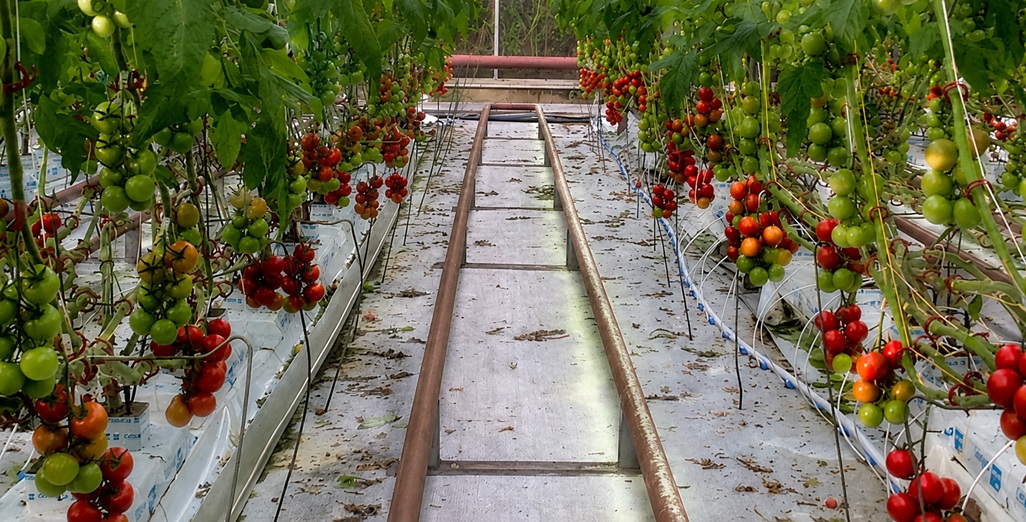
Combating Leaf Mould and Powdery Mildew in Greenhouse Tomatoes 2026
It's been eight years since I first wrote about controlling leaf mould. While many of the principles still apply, growers now have more tools available, making it a good time to revisit what works and where disease management is heading.
July 27, 2026
GrowWise smart spectrum helps growers save energy or boost crop growth through automated spectrum optimization
“With just a few clicks, we achieved approximately 2% more light on the crop”
July 13, 2026
Why Botrytis has become such a challenge this winter
The objective is not to grow a vegetative crop or a weak generative crop. The objective is to grow a balanced crop with enough vigour to support the fruit load while maintaining healthy leaf quality.
CLASSIFIED