
Articles Archive
July 14, 2026
More air movement, fewer gaps, more energy savings
"The major challenge in the energy transition is to continue growing healthy and vital crops with less energy"
July 14, 2026
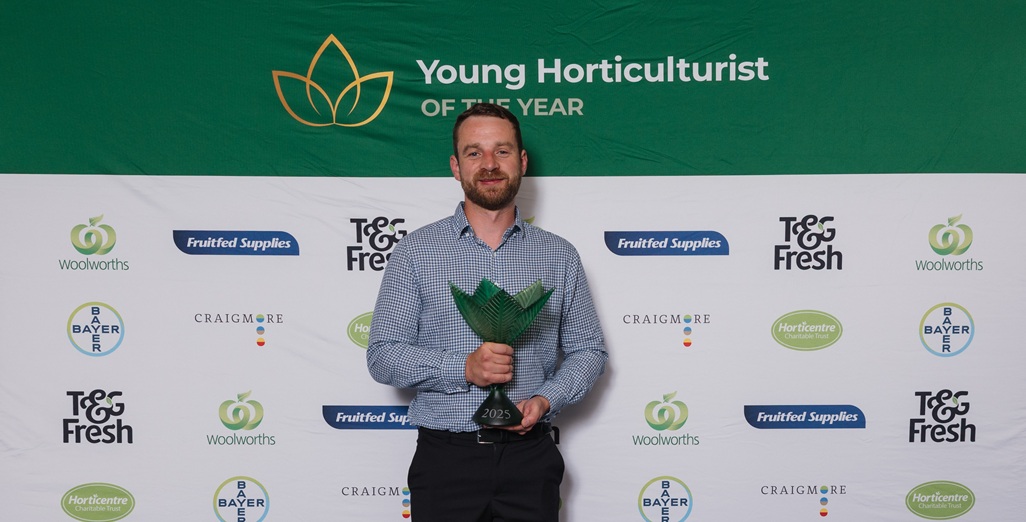
This year Young Horticulturist of the Year celebrates 21 years!
We're proud to play a part in inspiring emerging leaders in the industry and thank you for your support.

July 14, 2026
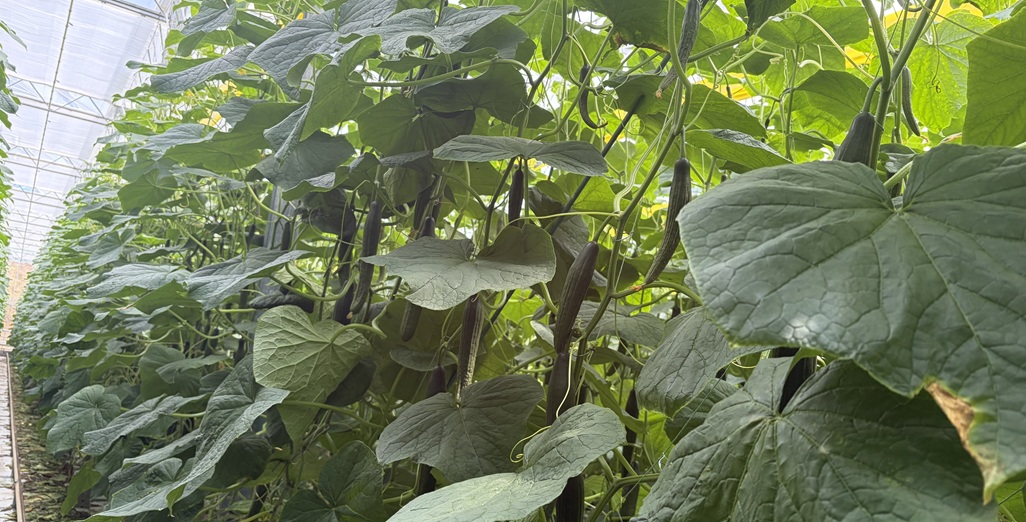
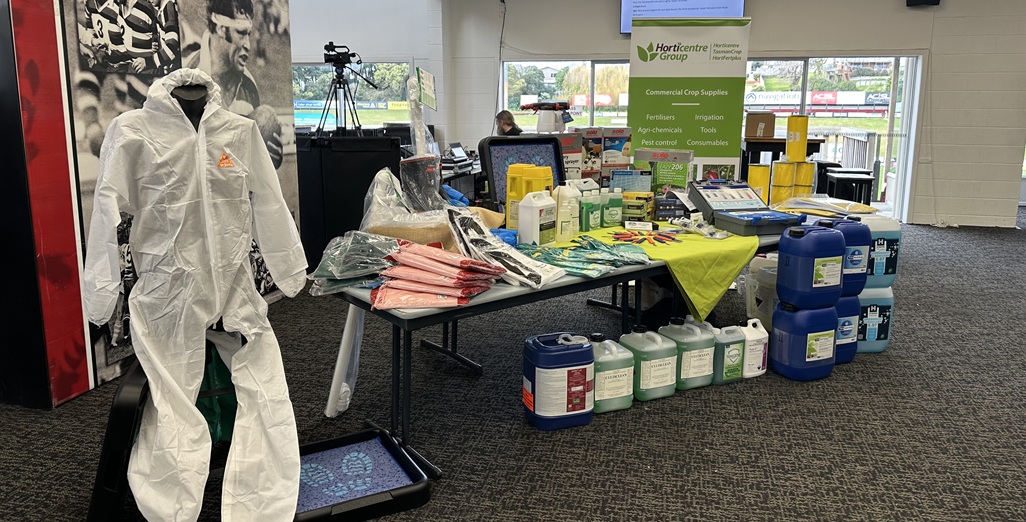
North Island Trade Day Returns to Hamilton – 5th August
Connecting growers with the latest plants, products and services
July 13, 2026
Covered Cropping NZ Conference: A Day of Practical Learning and Industry Connection
Wednesday, 12 August, at LaValla, Tuakau, South Auckland
July 13, 2026
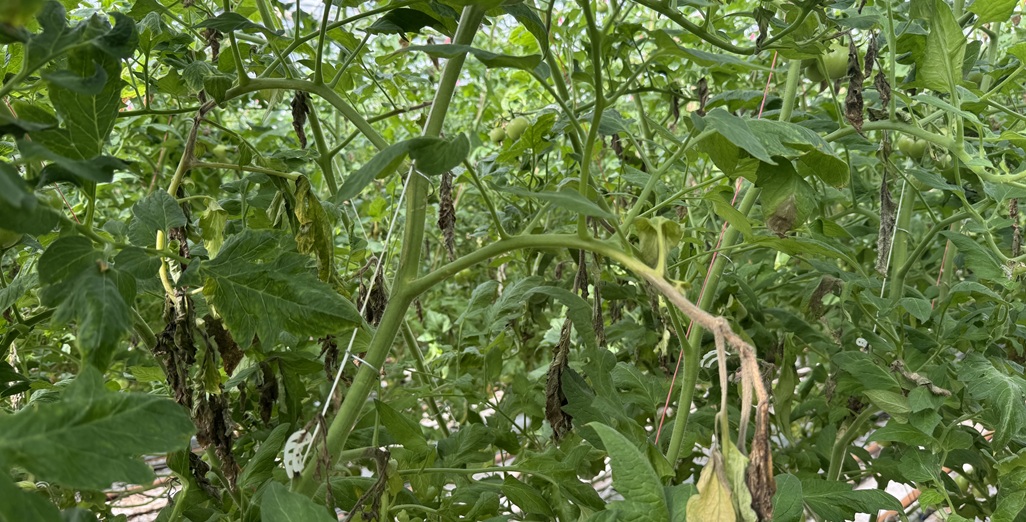
Why Botrytis has become such a challenge this winter
The objective is not to grow a vegetative crop or a weak generative crop. The objective is to grow a balanced crop with enough vigour to support the fruit load while maintaining healthy leaf quality. Many tomato growers will agree that Botrytis (grey mould) has been particularly aggressive this winter. Once it has established itself in a crop, it can spread rapidly, resulting in repeated leaf removal, increased labour and, in severe cases, infection moving back towards the stem.
July 13, 2026
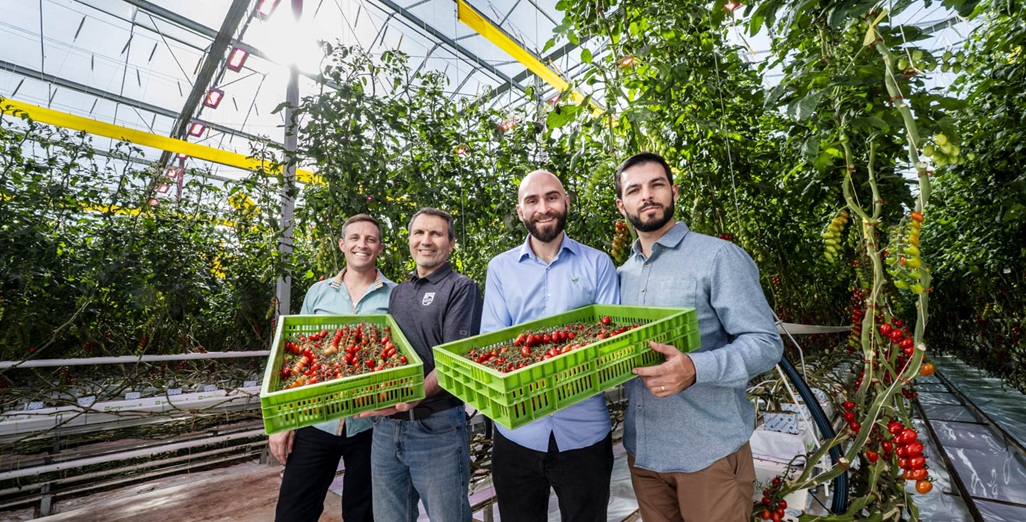
Philips LED lighting enables precise winter growing at Truly Green Farms (Canada)
For Truly Green Farms, winter tomato production depends on having the right lighting system in place.
June 29, 2026
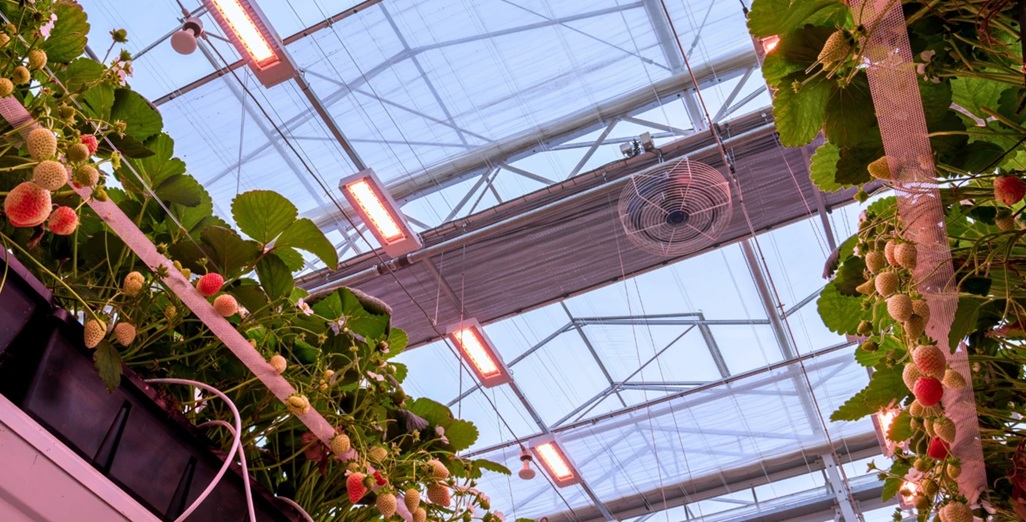
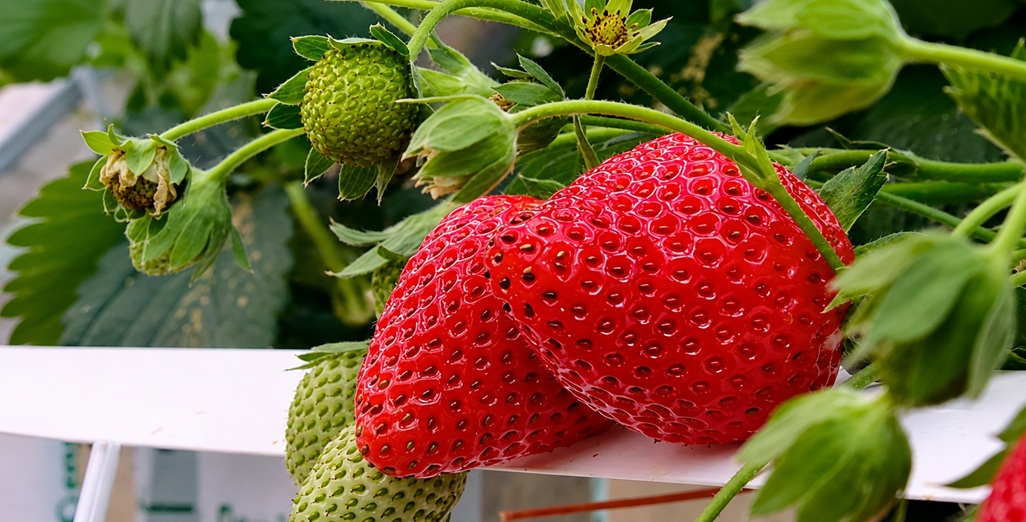
How stone wool and lighting can change the game for strawberry growers
An ever- higher number of strawberry growers are discovering the benefits of Controlled Environment Agriculture