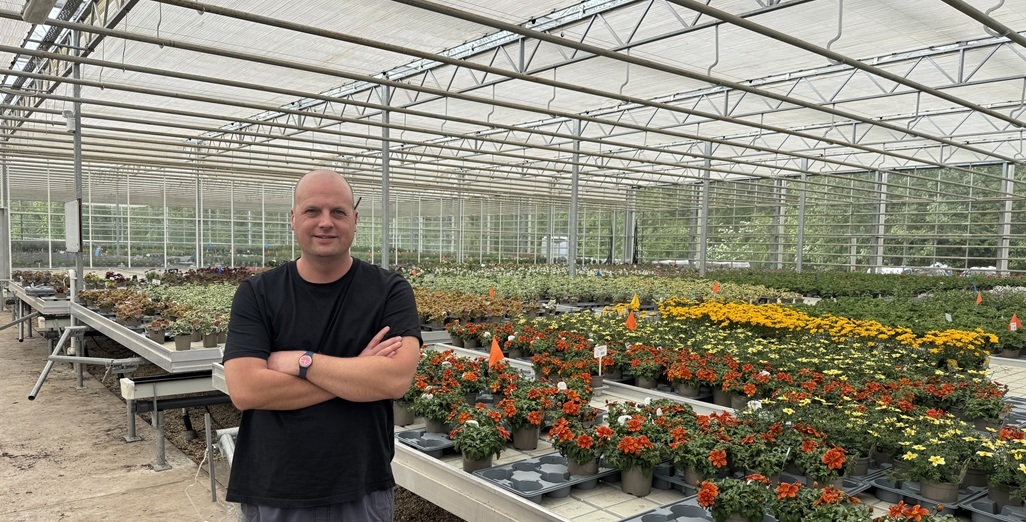

With decades of experience spanning greenhouse production, investment firms, and consulting, Marco has seen it all. From leadership gaps to operational missteps, his perspective offers a brutally honest look at what separates thriving CEA businesses from those that fail.
The Experience Gap: Why Leadership Matters
One of the biggest mistakes in CEA today is underestimating the importance of experienced leadership. Marco pointed out that many new greenhouse operations struggle because their leadership teams lack the hands-on, multi-year experience required to run a successful facility.
“There’s no shortcut for experience,” Marco said. “You need leadership that understands every process of the business from top to bottom. If you don’t have that, there’s no margin in the market to cover for mistakes.”
While some family-run greenhouse businesses have spent decades refining their operations, many new entrants assume they can jump into the industry and scale quickly without that same foundation. The reality is that CEA is not just about technology, it’s about operational excellence, and that only comes with time and experience.
The Hidden Risks of Farming as a Service
A growing trend in CEA is the idea of farming as a service, where companies outsource greenhouse operations rather than building internal expertise. While this may seem like a viable solution, Marco cautioned against it.
“If you don’t build your own internal culture and knowledge base, you’re outsourcing the very thing that determines your success,” he warned.
While outsourcing might help operations get off the ground initially, it rarely provides the long-term stability needed for growth. Marco emphasized that true success in CEA comes from investing in internal teams, training future growers, and creating a strong foundation of operational expertise.
Why Bigger Isn’t Always Better
In recent years, many companies have pursued aggressive expansion strategies, believing that larger greenhouse footprints would automatically lead to better economies of scale. However, Marco pointed out that building too big, too fast can be a critical mistake.
“It’s always surprising to me when I see operations launching 20 to 30 hectares at once,” he said. “It takes them two to three years just to reach the profitability levels they should have had from the start.”
Instead, Marco advises a more modular approach, starting with a smaller, well-managed footprint and expanding only when the business is ready. This allows operations to refine processes, train teams, and ensure profitability before taking on the added complexity of a larger facility.
The Future of CEA: Automation, Lighting, and Smarter Expansion
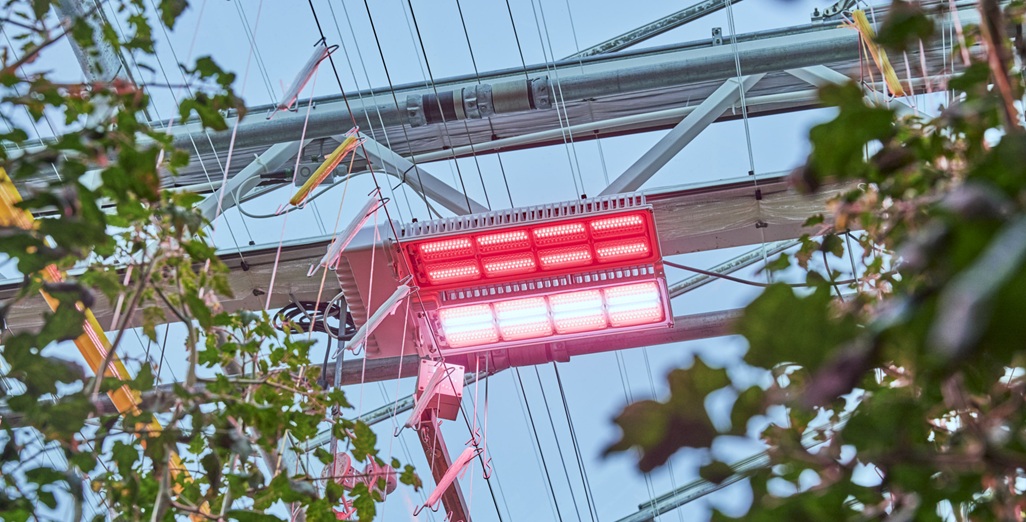
Looking ahead, Marco sees key trends shaping the future of CEA, particularly in automation and lighting. Advances in LED lighting are allowing for higher light levels, which will lead to stronger crops and better disease resistance. Meanwhile, automation in harvesting, packing, and crop management will help reduce reliance on increasingly scarce labor.
For those entering or expanding in the greenhouse industry, Marco’s advice is simple:
✅ Invest in experienced leadership from day one.
✅ Focus on operational excellence before scaling.
✅ Train and retain internal talent rather than outsourcing key functions.
✅ Use a modular approach to expansion to ensure long-term profitability.
Final Thoughts
CEA is not a get-rich-quick industry. Success requires discipline, patience, and a commitment to long-term operational excellence. As Marco put it, “At the end of the day, it’s still agriculture. You need to build a business that can compete on cost and quality, not just on technology.”
This article was created using a transcript from the CropTalk podcast (ep.255) “Hard Truths on Greenhouse Success” with Marco de Bruin. You can learn more by listening to the full episode via CropTalkMedia.com, Apple Podcasts, Spotify, and most major streaming platforms.